

Anubis1311
Well-Known Member
Aqualate Mere is interesting in itself as although large in extent (1.5 km long and 0.5 km wide), the Mere is remarkably shallow and is nowhere much more than one metre (3.3 ft) deep. Aqualate Mere is an example of an esker system (rare in the Midlands) formed by glacial meltwaters during the late Devensian glaciation. The depression in which the Mere lies, thought to be a kettle hole, and the surrounding higher ground which comprises glacial sand and gravel deposits were all formed at the same time.
Reed Bunting (male)
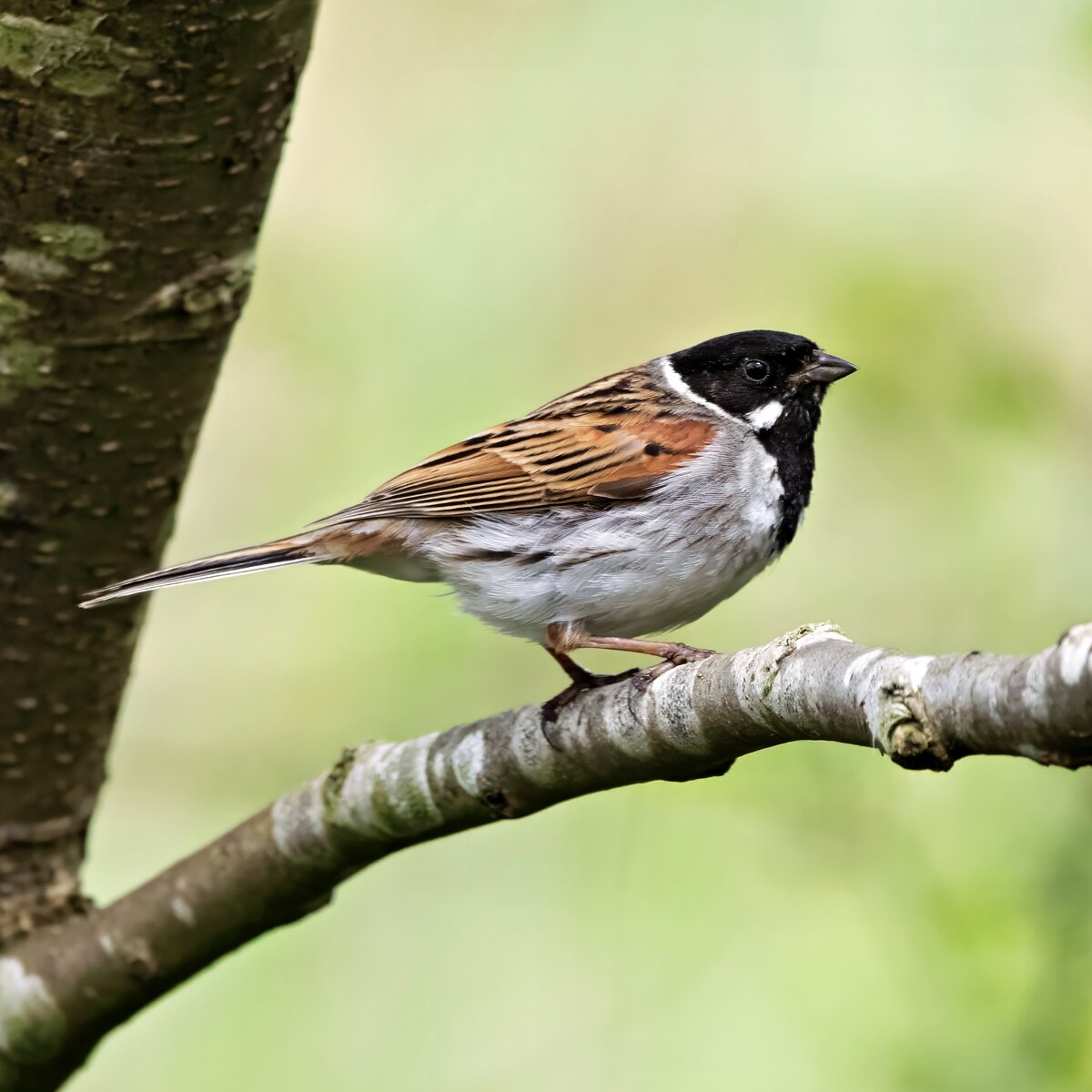
Reed Bunting (female)

Greater Whitethroat
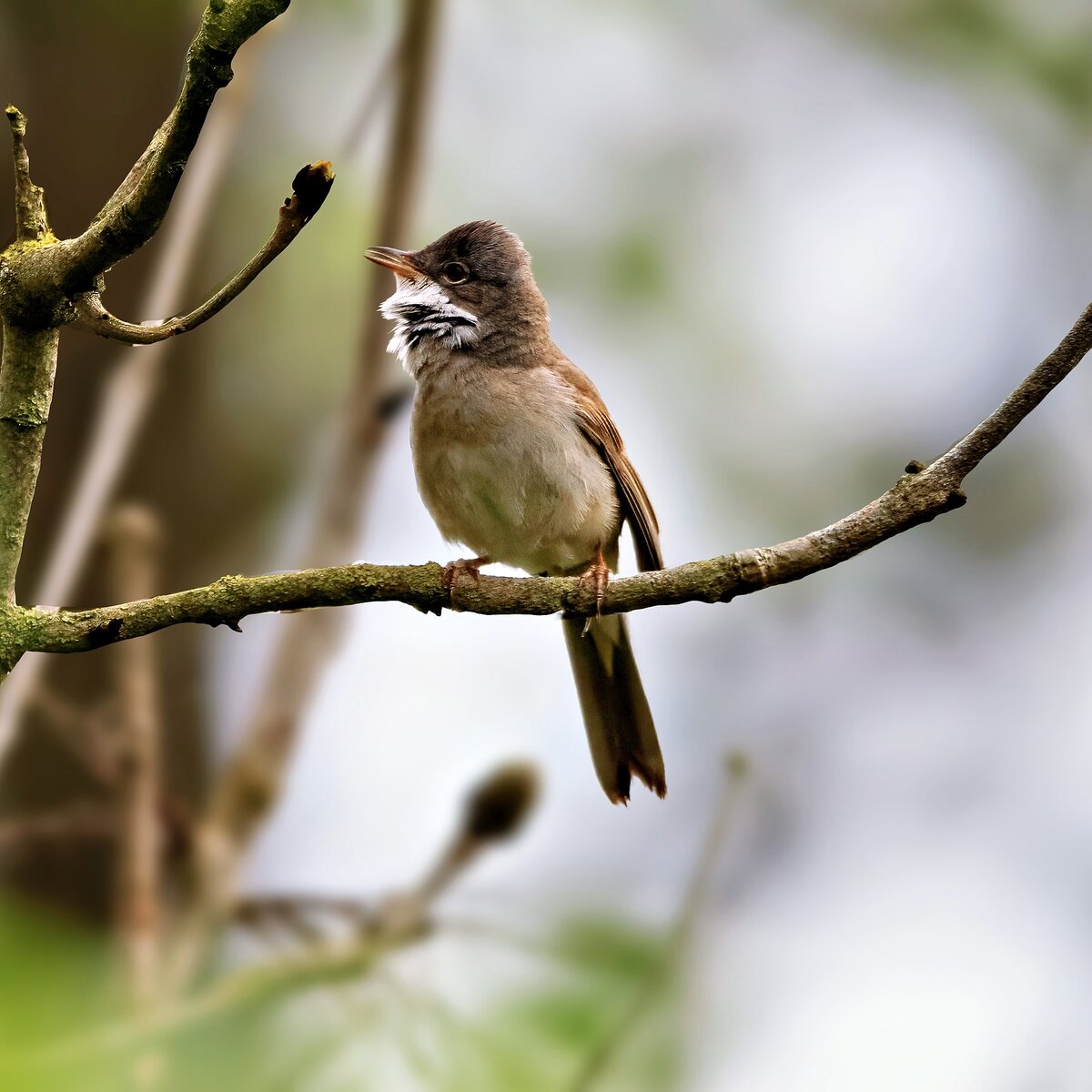
Greater Whitethroat (photobombed by a Sedge Warbler)

Kestrel

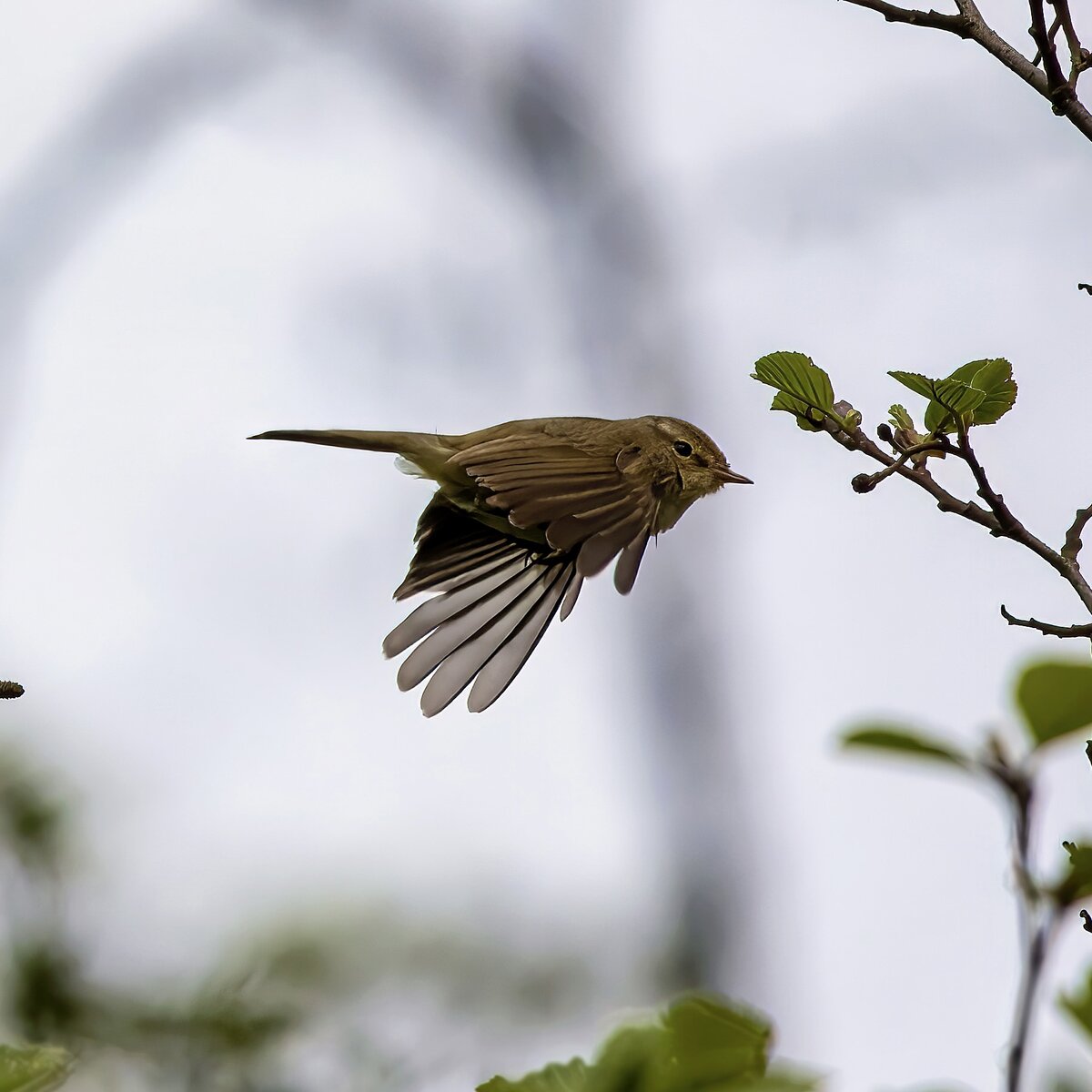
Common Chiffchaff
Reed Bunting (male)
Reed Bunting (female)
Greater Whitethroat
Greater Whitethroat (photobombed by a Sedge Warbler)
Kestrel
Common Chiffchaff


