Winged Wednesday 12/18/2024

Eric Gofreed

Well-Known Member
For this week’s Winged Wednesday, I’m sharing photos of birds thriving in wetlands. These particular birds hail from Brazil, but you’ll find similar species in North American wetlands and in comparable climates across the globe. The world of winged wonders is vast, teeming with birds, insects, and other airborne creatures waiting to be photographed and admired. Whether they soar, flutter, or glide, they’re all welcome.
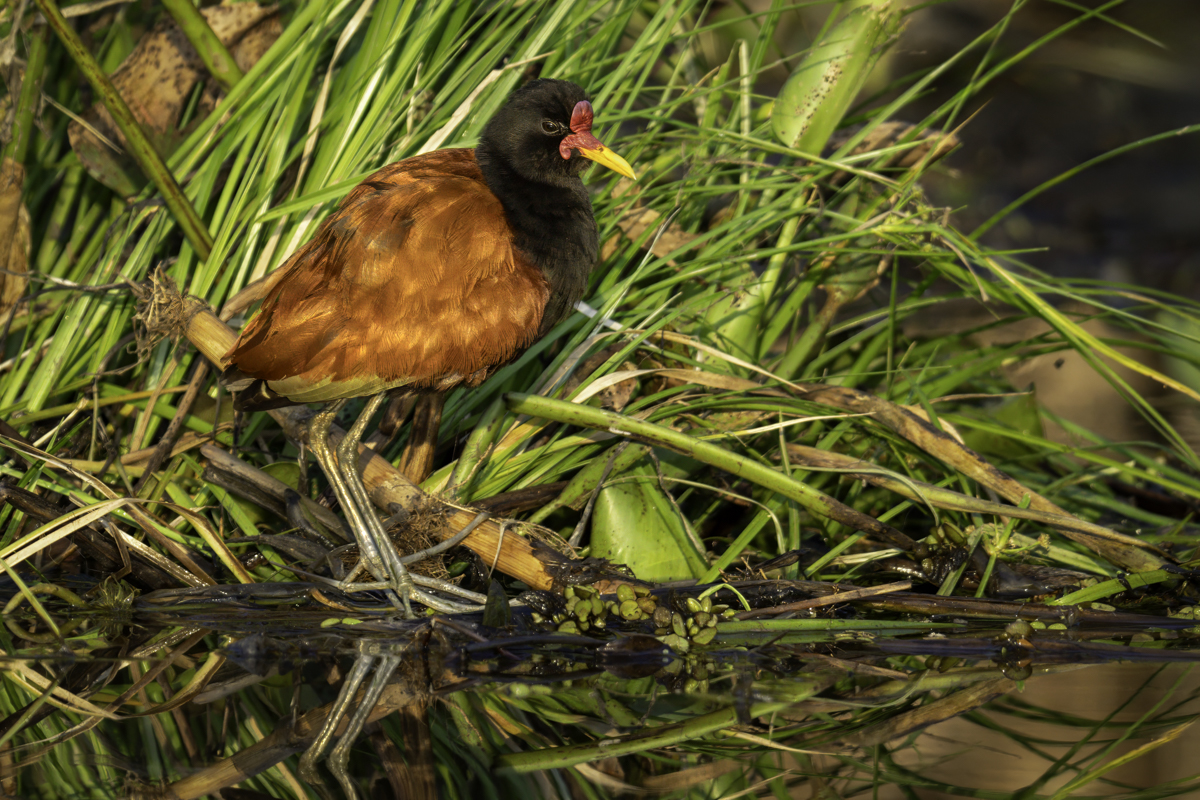
Wattled jacana-04003-Edit-2.jpg

The Wattled Jacana has a unique look and feeding style. Their long toes allow them to walk on floating vegetation to forage for insects, seeds, and small aquatic creatures.
That red thing on his face is called a wattle and helps attract mates during the breeding season. It also signals dominance and helps individuals recognize each other. Overall, it plays a key role in mating and social interactions. The Northern Jacana is the only Jacana species in the United States and it is only found in the Rio Grand Valley.
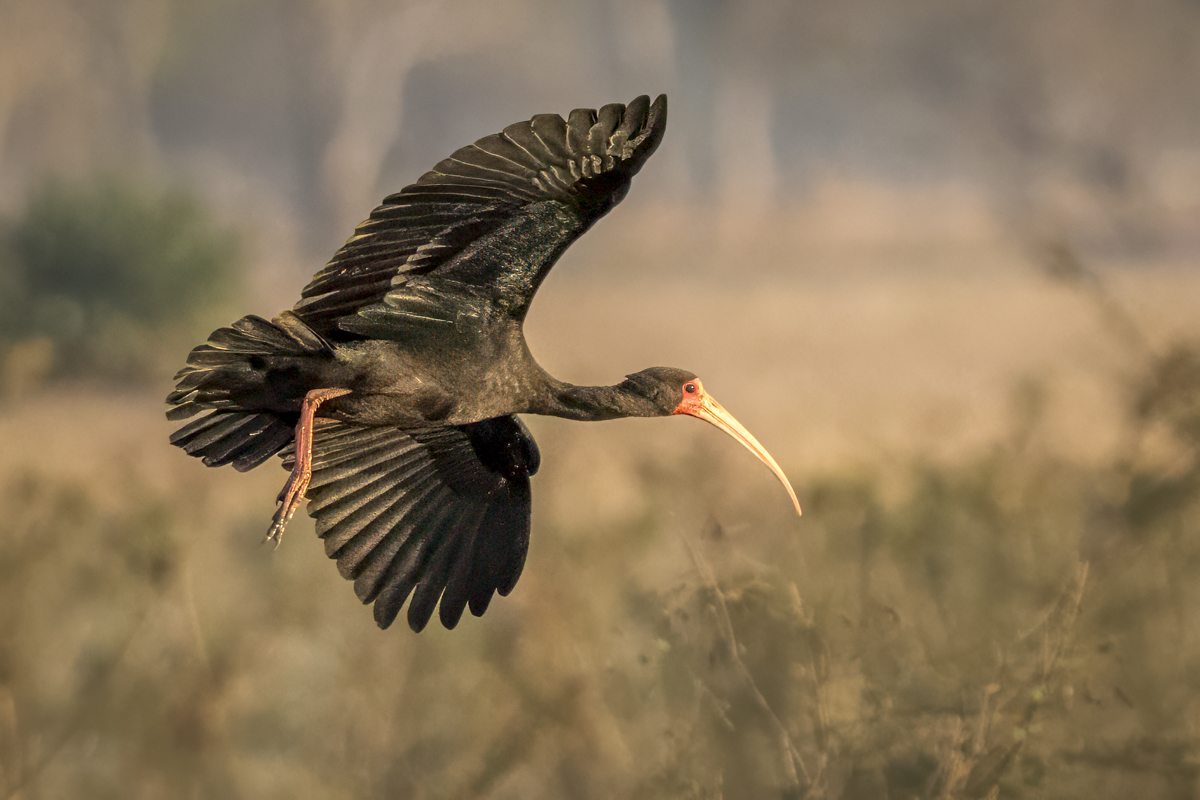
Bare-faced Ibis-.jpg

The Bare-faced Ibis is a medium-sized wading bird, measuring 18–23 inches in length with a wingspan of 32–38 inches. Native to South America, this species thrives in wetlands, marshes, flooded fields, and shallow lakes, favoring open and semi-open habitats with abundant water sources. It bears a resemblance to the Glossy Ibis and White-faced Ibis commonly found in North America, sharing similar habits and habitats.
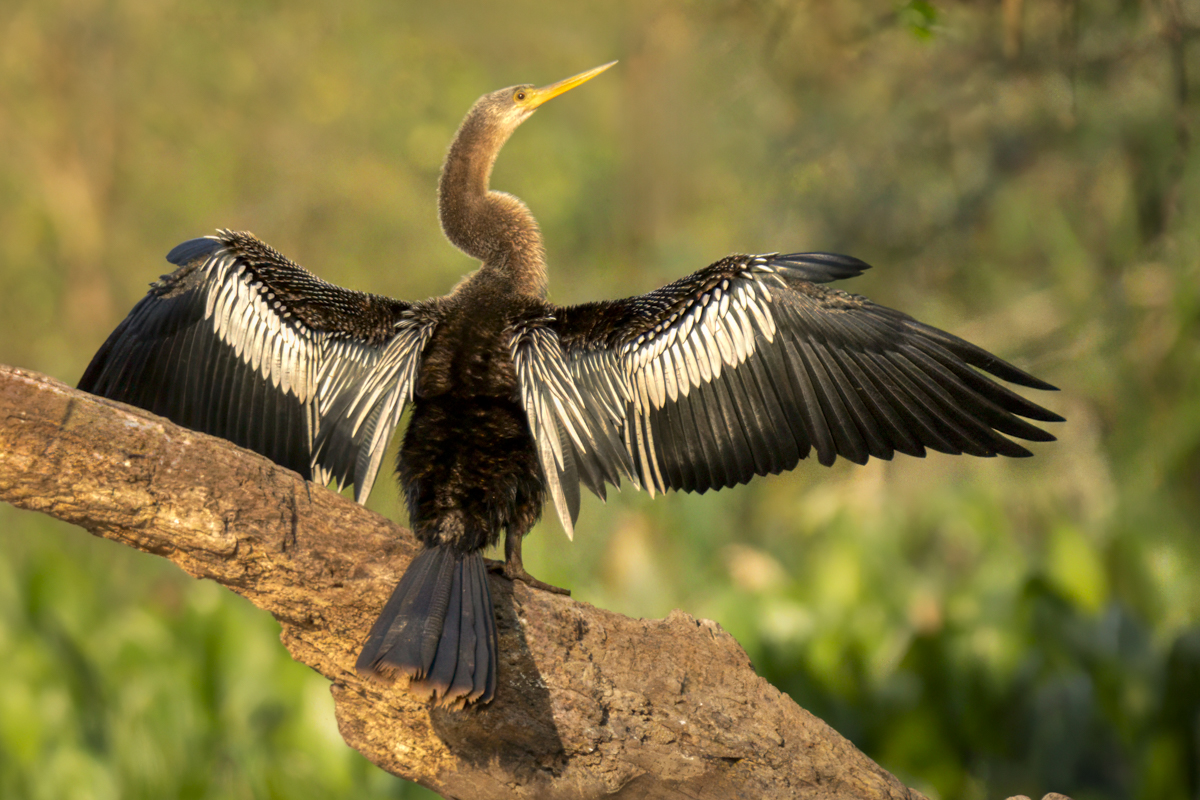
Anhinga-04328-Edit.jpg

The Anhinga, often called the "snake bird" for its long, slender neck, is a skilled underwater hunter. It uses its sharp bill to spear fish and other prey, gliding with its body submerged and only its neck and head above water, resembling a snake. After catching its meal, the Anhinga surfaces flips the prey into the air, and swallows it whole. Found in the southeastern U.S., Central and South America, and the Caribbean, it lives in freshwater lakes, rivers, marshes, and swamps.
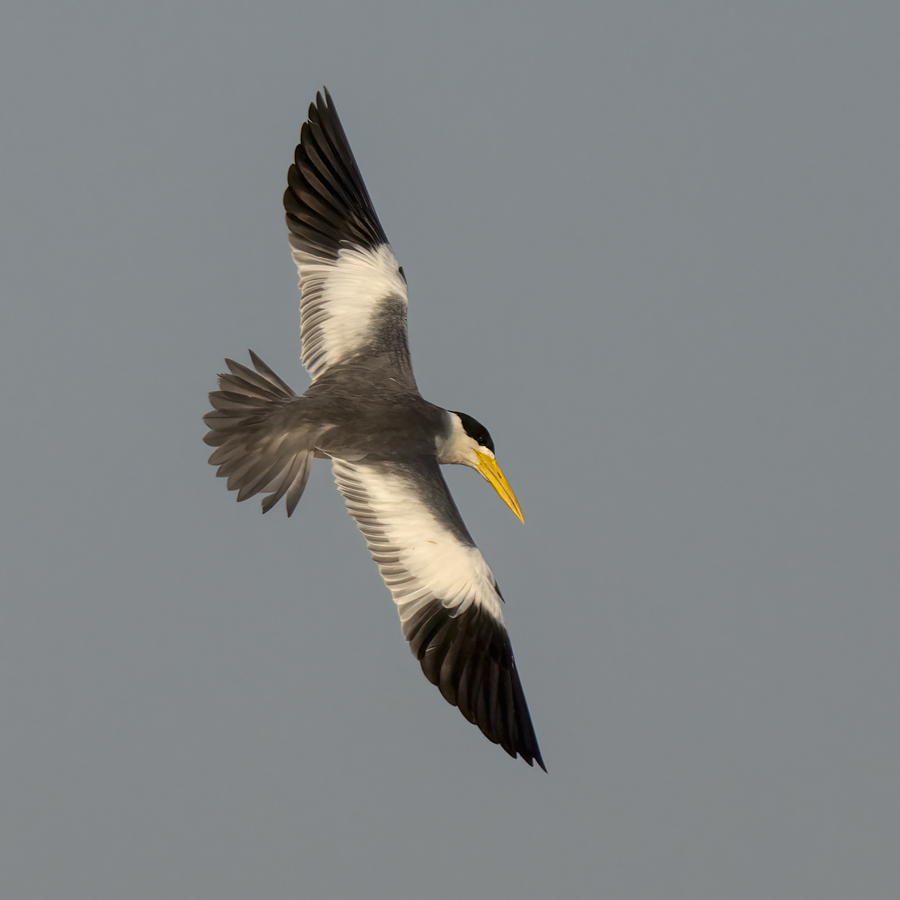
Large-billed Tern-.jpg

The large-billed tern is native to much of South America, especially east of the Andes. With a wingspan of up to 4 feet and a distinctive long, down-curved bill, it is perfectly adapted for hunting fish which it catches with precision dives. There are 9 species of terns in North America and they are highly migratory, with many species traveling long distances between breeding grounds in North America and wintering areas in the Caribbean, Central America, or South America.
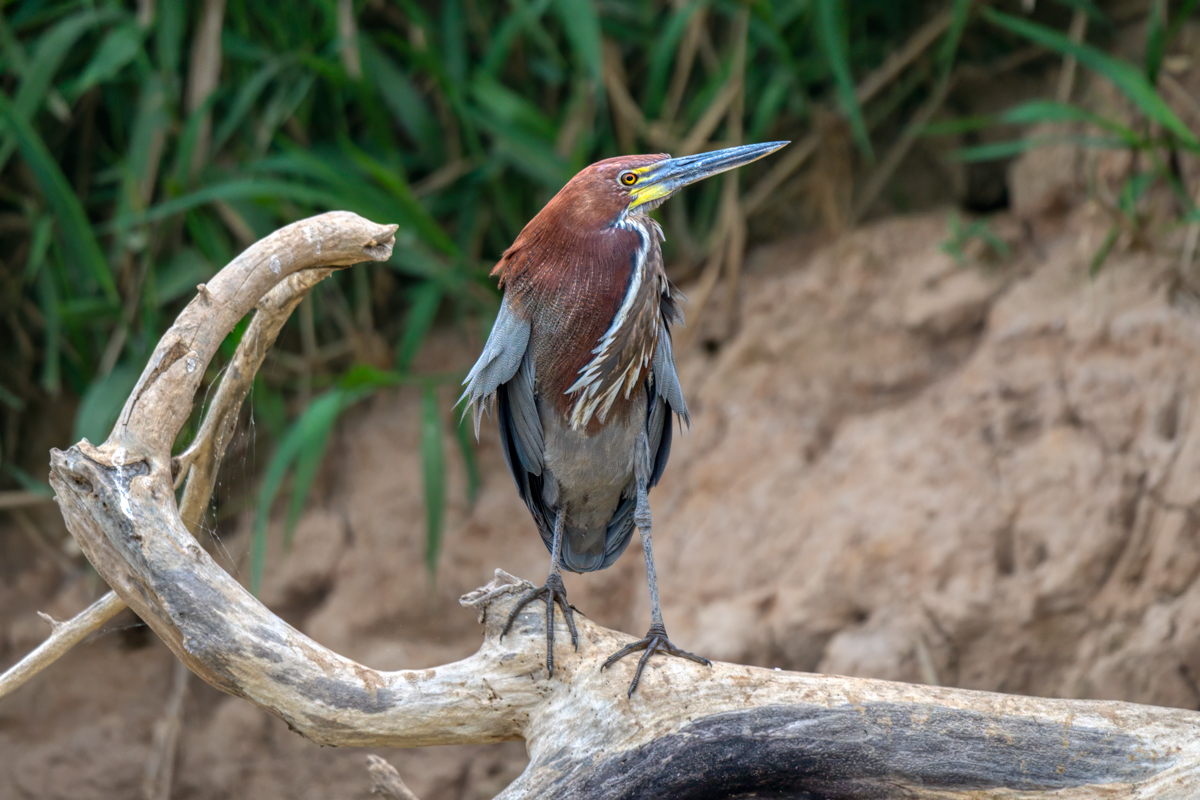
Rufescent Tiger-Heron-05621-Edit.jpg

At first glance, the Rufescent Tiger-Heron may resemble our Green Heron, but it has its own unique charm. With its slender build, sharp bill, and striking plumage, it stands out. The Rufescent Tiger-Heron is noticeably larger than the Green Heron, measuring about 28 inches tall compared to the Green Heron’s 18 inches. Its long neck, deep chest, and thicker bill give it a more robust, elongated look.
 

AlanLichty

Moderator
You should have gone with birds with long sharp beaks as a theme 😁

Beautiful shots of these specimens. Wetlands is a theme I can work with for sure.
 

Trent Watts

Well-Known Member
For this week’s Winged Wednesday, I’m sharing photos of birds thriving in wetlands. These particular birds hail from Brazil, but you’ll find similar species in North American wetlands and in comparable climates across the globe. The world of winged wonders is vast, teeming with birds, insects, and other airborne creatures waiting to be photographed and admired. Whether they soar, flutter, or glide, they’re all welcome.

View attachment 77915
The Wattled Jacana has a unique look and feeding style. Their long toes allow them to walk on floating vegetation to forage for insects, seeds, and small aquatic creatures.
That red thing on his face is called a wattle and helps attract mates during the breeding season. It also signals dominance and helps individuals recognize each other. Overall, it plays a key role in mating and social interactions. The Northern Jacana is the only Jacana species in the United States and it is only found in the Rio Grand Valley.

View attachment 77912

The Bare-faced Ibis is a medium-sized wading bird, measuring 18–23 inches in length with a wingspan of 32–38 inches. Native to South America, this species thrives in wetlands, marshes, flooded fields, and shallow lakes, favoring open and semi-open habitats with abundant water sources. It bears a resemblance to the Glossy Ibis and White-faced Ibis commonly found in North America, sharing similar habits and habitats.

View attachment 77911
The Anhinga, often called the "snake bird" for its long, slender neck, is a skilled underwater hunter. It uses its sharp bill to spear fish and other prey, gliding with its body submerged and only its neck and head above water, resembling a snake. After catching its meal, the Anhinga surfaces flips the prey into the air, and swallows it whole. Found in the southeastern U.S., Central and South America, and the Caribbean, it lives in freshwater lakes, rivers, marshes, and swamps.

View attachment 77913
The large-billed tern is native to much of South America, especially east of the Andes. With a wingspan of up to 4 feet and a distinctive long, down-curved bill, it is perfectly adapted for hunting fish which it catches with precision dives. There are 9 species of terns in North America and they are highly migratory, with many species traveling long distances between breeding grounds in North America and wintering areas in the Caribbean, Central America, or South America.

View attachment 77914
At first glance, the Rufescent Tiger-Heron may resemble our Green Heron, but it has its own unique charm. With its slender build, sharp bill, and striking plumage, it stands out. The Rufescent Tiger-Heron is noticeably larger than the Green Heron, measuring about 28 inches tall compared to the Green Heron’s 18 inches. Its long neck, deep chest, and thicker bill give it a more robust, elongated look.
The last shot in your series of the Heron is really beautiful Eric. I love the composition with the curved driftwood. The rest are all great as usual.
 

Trent Watts

Well-Known Member
This week I am going with birds I shot in the last week. It has been quite cold here and then a few days of warmer weather giving a few more photo ops.

I just left my front door and 1/2 a block away I heard some Crossbills feeding in a spruce tree. They were not going to give me a low down view so these were the best shots I could get.

Male White-winged Crossbill
_C141967-Edit.jpg


Female White-winged Crossbill
_C142020-Edit.jpg


The river going through Saskatoon never completely freezes due to an upstream power plant that pumps out warm waste water. It is wonderful for the Common Goldeneye that always come for the winter as there is always open water for them to feed.
This male had something wrong with its foot and was holding it up and not using it for swimming. It swam away with one foot and then flew away so I never got a closer look at the injury.
_C162055.jpg

_C162081.jpg


Two Redhead ducks (Thanks to Eric for proper ID).
_C162172-Edit.jpg


Black-capped Chickadees always pose for a picture.
_C162195-Enhanced-NR.jpg


This male Downy was moving up and down this low bush so was at eye level for a shot.
_C162204-Edit.jpg
 
Last edited:

Eric Gofreed

Well-Known Member
This week I am going with birds I shot in the last week. It has been quite cold here and then a few days of warmer weather giving a few more photo ops.

I just left my front door and 1/2 a block away I heard some Crossbills feeding in a spruce tree. They were not going to give me a low down view so these were the best shots I could get.

Male White-winged Crossbill
View attachment 77916

Female White-winged Crossbill
View attachment 77917

The river going through Saskatoon never completely freezes due to an upstream power plant that pumps out warm waste water. It is wonderful for the Common Goldeneye that always come for the winter as there is always open water for them to feed.
This male had something wrong with its foot and was holding it up and not using it for swimming. It swam away with one foot and then flew away so I never got a closer look at the injury.
View attachment 77918
View attachment 77919

These two female Common Goldeneye were swimming along and then dove down for a feed.
View attachment 77920

Black-capped Chickadees always pose for a picture.
View attachment 77921

This male Downy was moving up and down this low bush so was at eye level for a shot.
View attachment 77922
You have some great birds and photographs as expected, Trent. The female goldeneyes look like redheads to me.
 

larryj

Well-Known Member
Blue Heron mating and the first peeps at the new chicks after hatching. This is a first time for me seeing heron mating and it does not seem like a pleasant experience for the female!

May 12 the Heron mating
26948309186_7a429353f8_o.jpg


June 7th the first fuzz ball appears in the nest showing the chicks are hatching.


June 14th: Two of the three chicks have hatched and are starting to be fed by the adult heron


June 20th: Two and 1/2 week old chick are growing fast and demanding more food. All 3 chick are active.
 

Joe Colozzo

Well-Known Member
Great Heron shots Larry


Blue Heron mating and the first peeps at the new chicks after hatching. This is a first time for me seeing heron mating and it does not seem like a pleasant experience for the female!

May 12 the Heron mating
View attachment 77944

June 7th the first fuzz ball appears in the nest showing the chicks are hatching.


June 14th: Two of the three chicks have hatched and are starting to be fed by the adult heron


June 20th: Two and 1/2 week old chick are growing fast and demanding more food. All 3 chick are active.
 

Joe Colozzo

Well-Known Member
Very nice set of birds shots. Love the assortment.

This week I am going with birds I shot in the last week. It has been quite cold here and then a few days of warmer weather giving a few more photo ops.

I just left my front door and 1/2 a block away I heard some Crossbills feeding in a spruce tree. They were not going to give me a low down view so these were the best shots I could get.

Male White-winged Crossbill
View attachment 77916

Female White-winged Crossbill
View attachment 77917

The river going through Saskatoon never completely freezes due to an upstream power plant that pumps out warm waste water. It is wonderful for the Common Goldeneye that always come for the winter as there is always open water for them to feed.
This male had something wrong with its foot and was holding it up and not using it for swimming. It swam away with one foot and then flew away so I never got a closer look at the injury.
View attachment 77918
View attachment 77919

Two Redhead ducks (Thanks to Eric for proper ID).
View attachment 77920

Black-capped Chickadees always pose for a picture.
View attachment 77921

This male Downy was moving up and down this low bush so was at eye level for a shot.
View attachment 77922
 

Joe Colozzo

Well-Known Member
Amazing as always Eric

For this week’s Winged Wednesday, I’m sharing photos of birds thriving in wetlands. These particular birds hail from Brazil, but you’ll find similar species in North American wetlands and in comparable climates across the globe. The world of winged wonders is vast, teeming with birds, insects, and other airborne creatures waiting to be photographed and admired. Whether they soar, flutter, or glide, they’re all welcome.

View attachment 77915
The Wattled Jacana has a unique look and feeding style. Their long toes allow them to walk on floating vegetation to forage for insects, seeds, and small aquatic creatures.
That red thing on his face is called a wattle and helps attract mates during the breeding season. It also signals dominance and helps individuals recognize each other. Overall, it plays a key role in mating and social interactions. The Northern Jacana is the only Jacana species in the United States and it is only found in the Rio Grand Valley.

View attachment 77912

The Bare-faced Ibis is a medium-sized wading bird, measuring 18–23 inches in length with a wingspan of 32–38 inches. Native to South America, this species thrives in wetlands, marshes, flooded fields, and shallow lakes, favoring open and semi-open habitats with abundant water sources. It bears a resemblance to the Glossy Ibis and White-faced Ibis commonly found in North America, sharing similar habits and habitats.

View attachment 77911
The Anhinga, often called the "snake bird" for its long, slender neck, is a skilled underwater hunter. It uses its sharp bill to spear fish and other prey, gliding with its body submerged and only its neck and head above water, resembling a snake. After catching its meal, the Anhinga surfaces flips the prey into the air, and swallows it whole. Found in the southeastern U.S., Central and South America, and the Caribbean, it lives in freshwater lakes, rivers, marshes, and swamps.

View attachment 77913
The large-billed tern is native to much of South America, especially east of the Andes. With a wingspan of up to 4 feet and a distinctive long, down-curved bill, it is perfectly adapted for hunting fish which it catches with precision dives. There are 9 species of terns in North America and they are highly migratory, with many species traveling long distances between breeding grounds in North America and wintering areas in the Caribbean, Central America, or South America.

View attachment 77914
At first glance, the Rufescent Tiger-Heron may resemble our Green Heron, but it has its own unique charm. With its slender build, sharp bill, and striking plumage, it stands out. The Rufescent Tiger-Heron is noticeably larger than the Green Heron, measuring about 28 inches tall compared to the Green Heron’s 18 inches. Its long neck, deep chest, and thicker bill give it a more robust, elongated look.
 

Eric Gofreed

Well-Known Member
Blue Heron mating and the first peeps at the new chicks after hatching. This is a first time for me seeing heron mating and it does not seem like a pleasant experience for the female!

May 12 the Heron mating
View attachment 77944

June 7th the first fuzz ball appears in the nest showing the chicks are hatching.


June 14th: Two of the three chicks have hatched and are starting to be fed by the adult heron


June 20th: Two and 1/2 week old chick are growing fast and demanding more food. All 3 chick are active.
that's a great series, Larry. Every shot is worthy of a Blue Ribbon. Time-lapse is brilliant too
 

Eric Gofreed

Well-Known Member
Joe, these three photographs are truly extraordinary! The light and details on the osprey and fritillary are absolutely stunning—perfectly captured and beautifully rendered. Amazing work! The last photo appears to be a White Peacock (Anartia jatrophae). It closely resembles the one I photographed at the butterfly house in Phoenix—such a beautiful capture!
 
Top Bottom