Conveying motion in BIF images

Alan Milnes

Well-Known Member
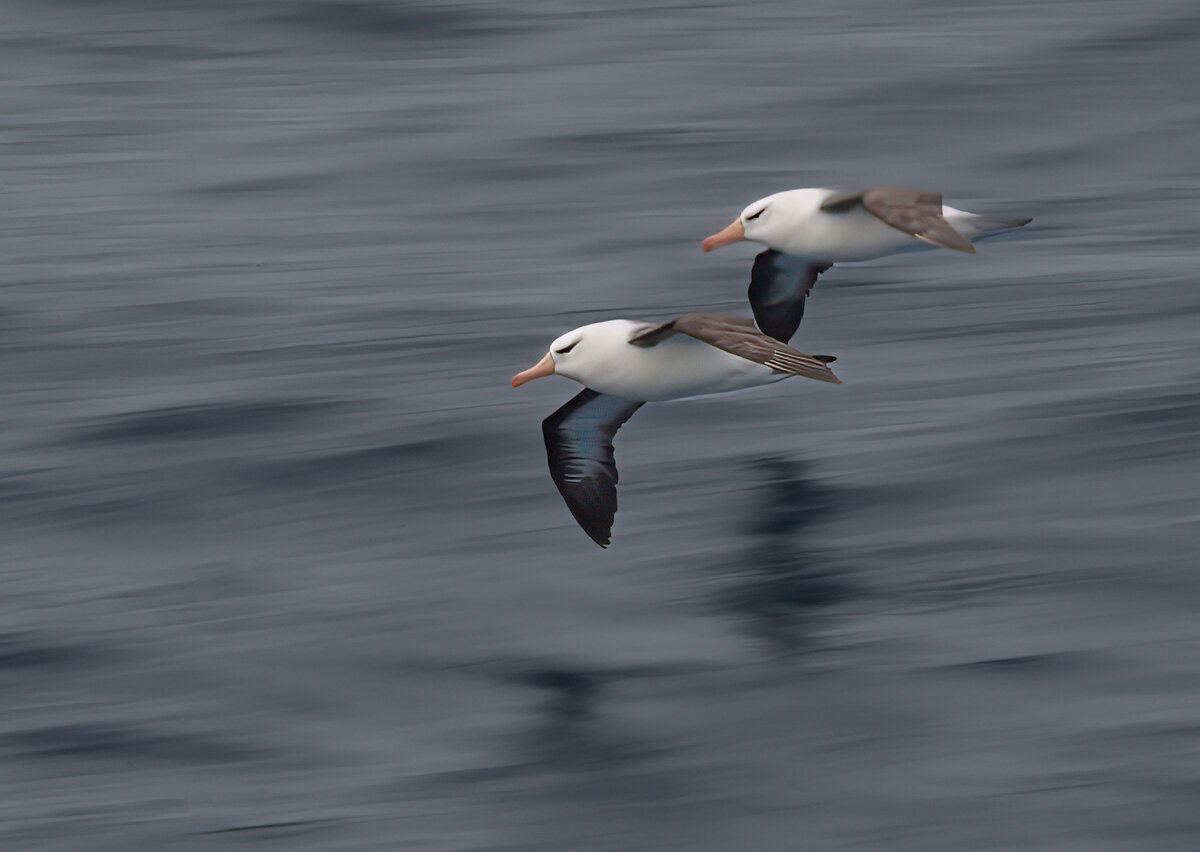
Tim Laman, a wildlife biologist and amazing professional photographer who was the first to document all species of Birds of Paradise in SE Asia, was on our trip to Antarctica. He was incredibly approachable and helpful. One technique he suggested was to lock onto a bird in flight using a slower shutter speed and then pan with the bird which creates a blurred background and conveys a sense of motion. I practiced this for many days and eventually captured a few images that were acceptable. Of the hundreds captured and deleted here are two that turned out just OK. C and C welcome. Anyone else tried this? Thoughts?
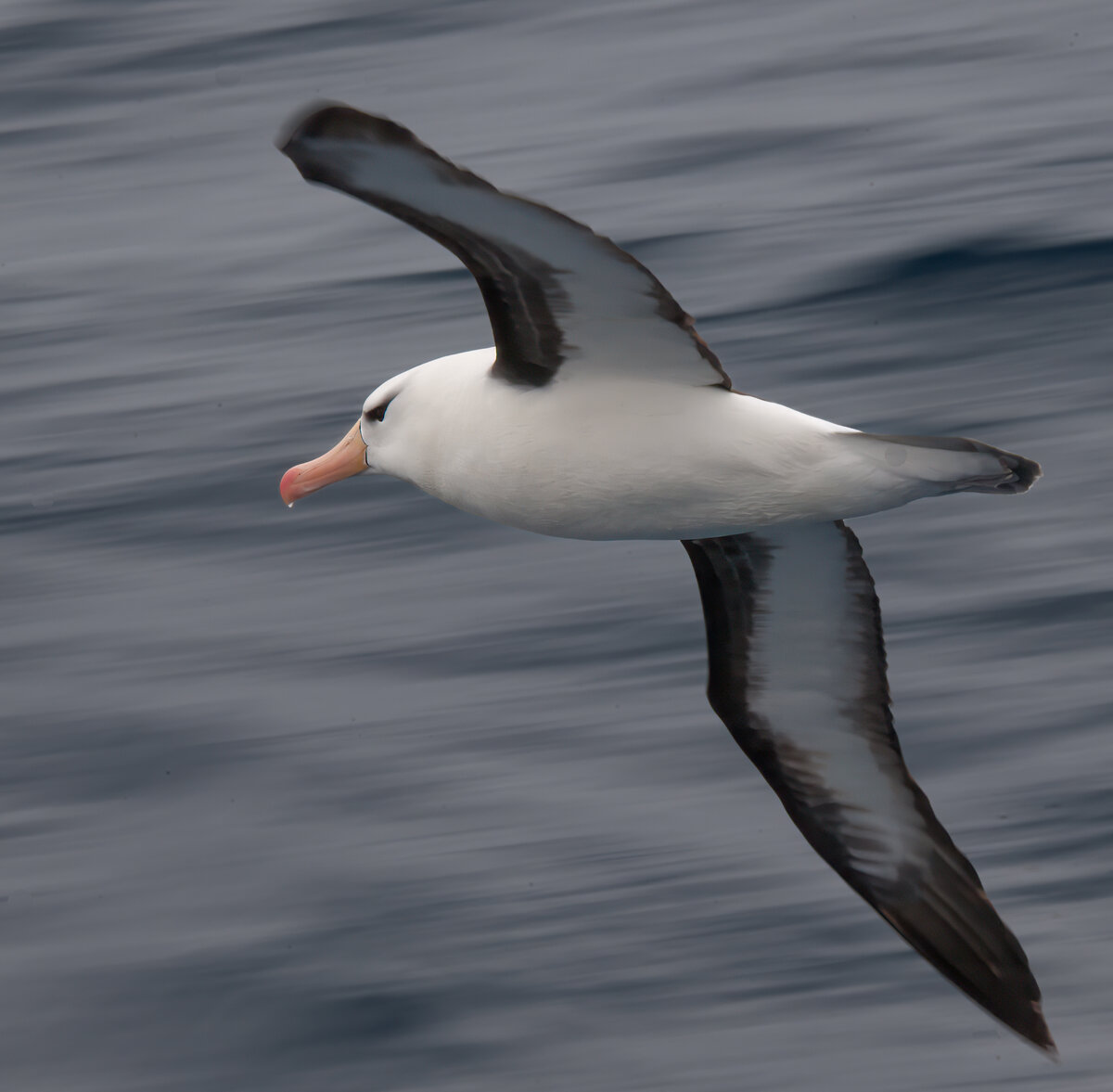
black browed albatross panning.jpg


black browed 2 albatross panning.jpg
 

AlanLichty

Moderator
I have done things like this while panning for cars out on a track and was not using ultra high shutter speeds. The results sound similar when it comes down to counting how often I got good results vs. toss-away shots. You did catch a good feeling of motion with these two images.

I have mixed feelings about deciding whether high speed shots vs. slower shots is an issue. Compared to decades of landscape work I only recently started playing around with a camera that can shoot a lot of high speed shots and am still adapting to the processing end of the endeavor. The number of images I end up plowing through at the end of a day still feels ridiculous to me with a worst case day yielding over 2500 images in an hour long outing. The vast majority are duplicates of the shot taken 1/30 of a second earlier and I end up tossing hundreds of shots to pare the haul down to a more manageable level.

That isn't really all that different from tossing hundreds of shots to get ones like you show above to be honest and the ones you show here are quite unique. I am left thinking there is no real reason to feel like either technique is better or worse than the other since they yield very different type of results and both can make pretty cool images. 🍻
 

Alan Milnes

Well-Known Member
I have done things like this while panning for cars out on a track and was not using ultra high shutter speeds. The results sound similar when it comes down to counting how often I got good results vs. toss-away shots. You did catch a good feeling of motion with these two images.

I have mixed feelings about deciding whether high speed shots vs. slower shots is an issue. Compared to decades of landscape work I only recently started playing around with a camera that can shoot a lot of high speed shots and am still adapting to the processing end of the endeavor. The number of images I end up plowing through at the end of a day still feels ridiculous to me with a worst case day yielding over 2500 images in an hour long outing. The vast majority are duplicates of the shot taken 1/30 of a second earlier and I end up tossing hundreds of shots to pare the haul down to a more manageable level.

That isn't really all that different from tossing hundreds of shots to get ones like you show above to be honest and the ones you show here are quite unique. I am left thinking there is no real reason to feel like either technique is better or worse than the other since they yield very different type of results and both can make pretty cool images. 🍻
Completely agree with you about high speed shooting Alan. I am regularly going through my Lightroom catalogue and deleting images, many that are years old. I am asking myself repeatedly ‘and why did I keep these duplicates?’ When I am out shooting I endeavour to review images in the camera and begin the pruning process there. Wondering how others manage this issue?
 

AlanLichty

Moderator
Completely agree with you about high speed shooting Alan. I am regularly going through my Lightroom catalogue and deleting images, many that are years old. I am asking myself repeatedly ‘and why did I keep these duplicates?’ When I am out shooting I endeavour to review images in the camera and begin the pruning process there. Wondering how others manage this issue?
I do my all culling at home on a larger screen so I can make sure I do have the shot I wanted before selecting a block of duplicate/unwanted images to toss. I have never really done anything like this with my landscape images since I only shoot exactly what I wanted to begin with and it can take up to an hour (or more) to shoot as many images as I can get with a 1 second press on the shutter release in continuous rapid shooting mode :cool:
 

JimFox

Moderator
Staff member
Awesome work Alan! That's a great technique, though not an easy one to learn. Matching the speed of a bird isn't easy for sure.
 

Trent Watts

Well-Known Member
I like both of the images Alan. I have not tried this with birds but have done panning shots with things that move more slowly such as a bicycle and rider. I have enough trouble locking onto a flying bird, so panning as well and getting a shot like yours seems remarkably difficult. I will see if I can manage some shots like it. The effect is dramatic. Ditto on the processing of many images. I often use the 'compare' feature of LR to decide if one image is slightly sharper than another and continue to delete the duplicates until I have one or two left. Yes at 50-120 frames a second they add up rapidly.
 

Alan Milnes

Well-Known Member
I like both of the images Alan. I have not tried this with birds but have done panning shots with things that move more slowly such as a bicycle and rider. I have enough trouble locking onto a flying bird, so panning as well and getting a shot like yours seems remarkably difficult. I will see if I can manage some shots like it. The effect is dramatic. Ditto on the processing of many images. I often use the 'compare' feature of LR to decide if one image is slightly sharper than another and continue to delete the duplicates until I have one or two left. Yes at 50-120 frames a second they add up rapidly.
Thanks Trent. I have been wading through images recently and am astonished at how silly I am to still have so many images of the same scene. The culling has begun!
 
Top Bottom