Have to start somewhere

Rick Nantais

Well-Known Member
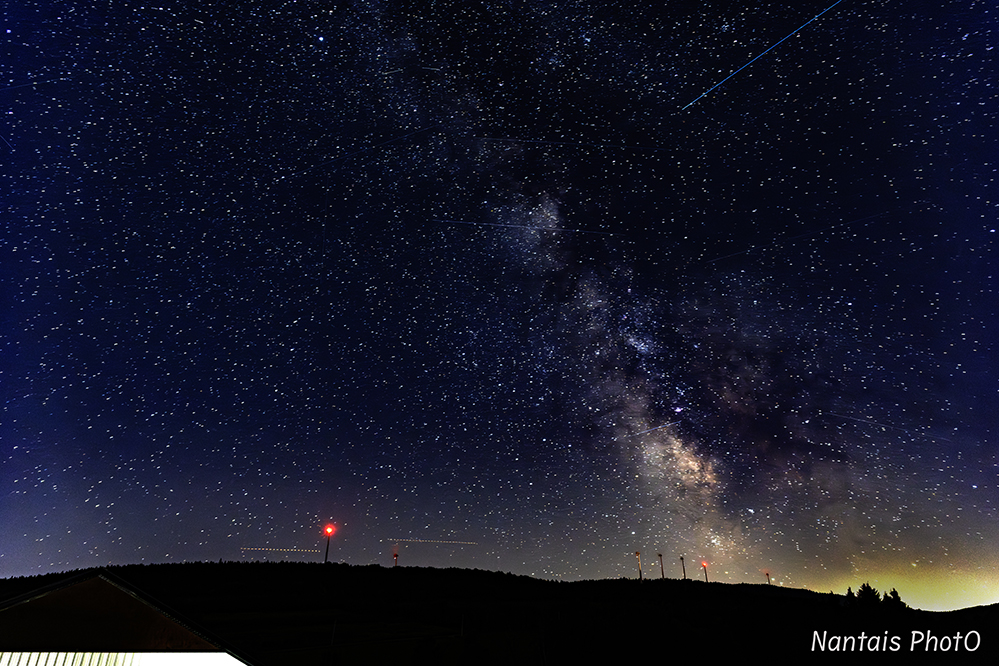
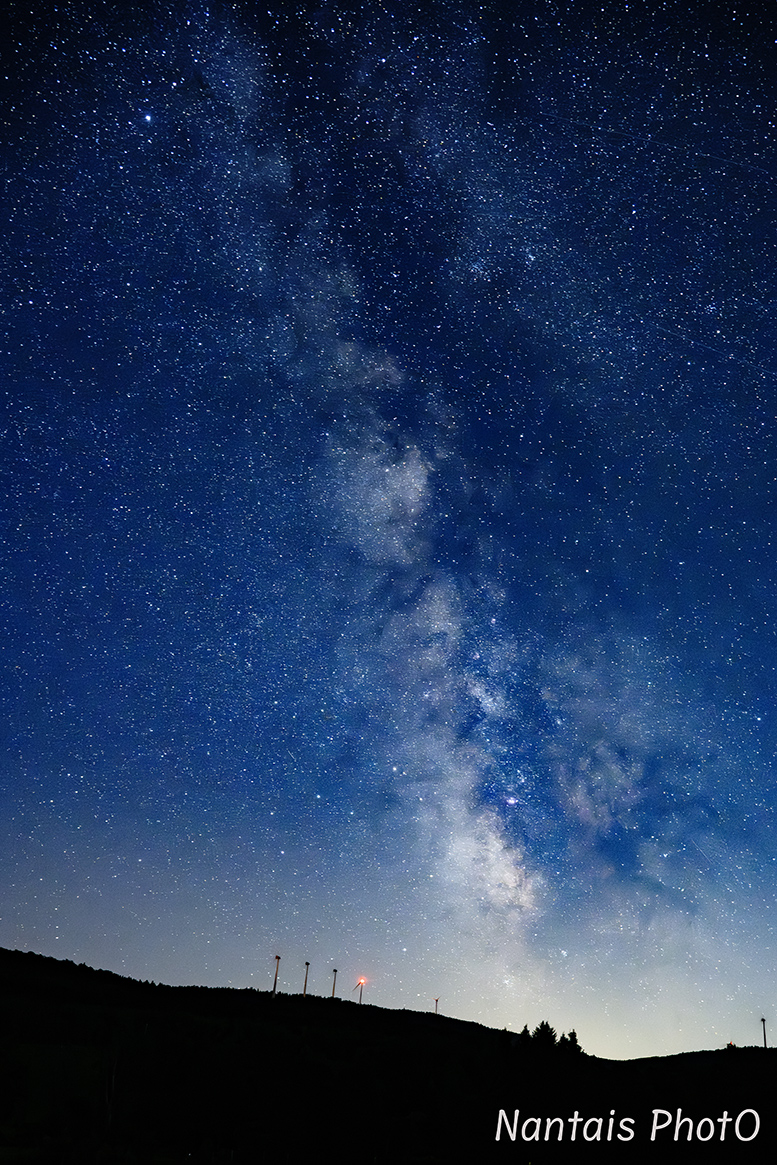
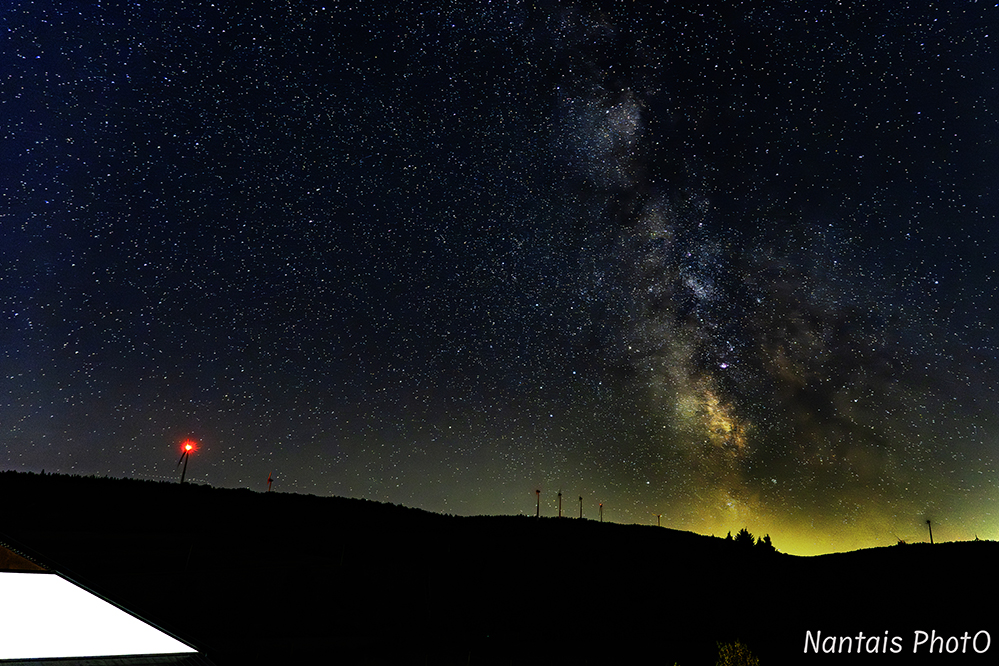
I wanted to take some stars pictures here in my area. The sky is very dark and we can see the milky way. My results are not what I expected but i'm learning. I used my 24-120 at 24 F4. For my exposure duration I used the 500 rule, 500/24= about 20 sec. I started at ISO 800 and move up to 5000. With photos shop IA was able to remove some noise. 2 thinjs I,m not sure. why do I have trail stars at 20mm and how do I get more colors in the milky way ? Thanks for your help.
NZ2_5384s.jpg

NZ2_5385s.jpg

NZ2_5389s.jpg
 

JimFox

Moderator
Staff member
This is a great start Rick!

#1 and 3 look really good for the MW core. In #2, it looks like you shot it too close to sunset and the sky was not dark enough yet, so it's getting washed out. But #2 still looks nice.

As to the 500 rule, you will find the 400 rule better if you want pin point stars. so you should have went with a 15 sec shutter speed instead of 20 secs for 24 mm.

But it all depends on how much you pixel peep. I don't shoot too much at 24mm, but when I have I used to use 20 secs. With 14mm which I use most often now, I used to use 25 to 30 sec shutter speeds but now I primarily use 20 secs.

As to stars showing a small bit of streaking, you will also find it depends where you aim your camera as the stars will move faster in relation to our position.

For me, I wouldn't be too concerned with the small amount of movement in the stars at 20 secs, but if you had a faster lens, you could go to 15 secs.

And if you keep this up, you will want a faster lens for sure. f2.8 is a minimum really for night sky photography, with my preference being f1.8 or f1.4. You will find not only can you use a lower ISO which will help with noise, but having a lens that is open wider, everything in the image feels brighter, like being open wider it's letting in more light (which it is) and everything seems to have more life to it. So let me know when you are ready to look into a faster lens, I have shot with lot's of the faster lenses and @Kyle Jones has as well, and we could help get you on the right path for a good lens.
 

Rick Nantais

Well-Known Member
This is a great start Rick!

#1 and 3 look really good for the MW core. In #2, it looks like you shot it too close to sunset and the sky was not dark enough yet, so it's getting washed out. But #2 still looks nice.

As to the 500 rule, you will find the 400 rule better if you want pin point stars. so you should have went with a 15 sec shutter speed instead of 20 secs for 24 mm.

But it all depends on how much you pixel peep. I don't shoot too much at 24mm, but when I have I used to use 20 secs. With 14mm which I use most often now, I used to use 25 to 30 sec shutter speeds but now I primarily use 20 secs.

As to stars showing a small bit of streaking, you will also find it depends where you aim your camera as the stars will move faster in relation to our position.

For me, I wouldn't be too concerned with the small amount of movement in the stars at 20 secs, but if you had a faster lens, you could go to 15 secs.

And if you keep this up, you will want a faster lens for sure. f2.8 is a minimum really for night sky photography, with my preference being f1.8 or f1.4. You will find not only can you use a lower ISO which will help with noise, but having a lens that is open wider, everything in the image feels brighter, like being open wider it's letting in more light (which it is) and everything seems to have more life to it. So let me know when you are ready to look into a faster lens, I have shot with lot's of the faster lenses and @Kyle Jones has as well, and we could help get you on the right path for a good lens.
Ow thanks for the input, As sson as the weather clear out I'll get back on it. I'm not ready to buy other stuff yet, but 'ill keep your offer in mind.

PS by the way the 3 pictures were taken about the same time.
 

Kyle Jones

Moderator
I'm not seeing any significant star trails - I wouldn't expect rounder stars without using a tracker.

I'm not sure why the brightness of the sky is so different in the 3 photos. The second one looks like the moon is near the horizon. It use hard to pull out color unless the sky is fully dark and without too much humidity.
 

Mike Lewis

Staff Member
Rick,

Great work! The first step is just getting out there and getting some images (something I am not doing too well with on my own desire to take Milky Way images these days). And you could not have a better 'teacher' than Jim - he is an absolute pro at Milky Way Photography! if you follow his input you will be sure to get results to your liking.

ML
 
Top Bottom