

Alan Milnes
Well-Known Member
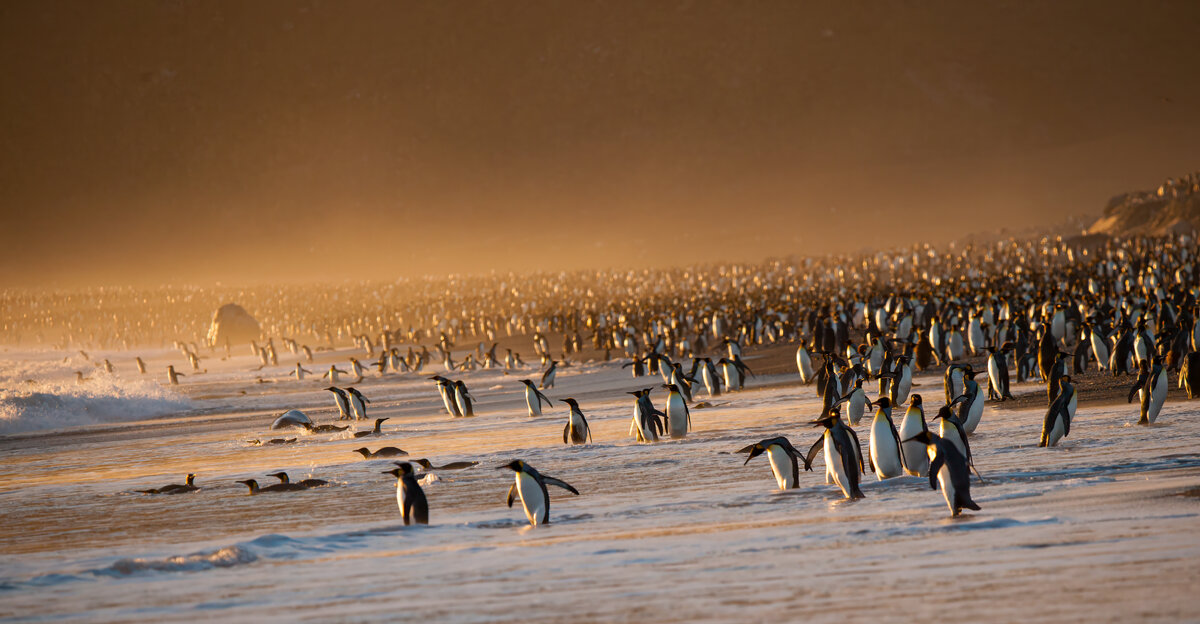
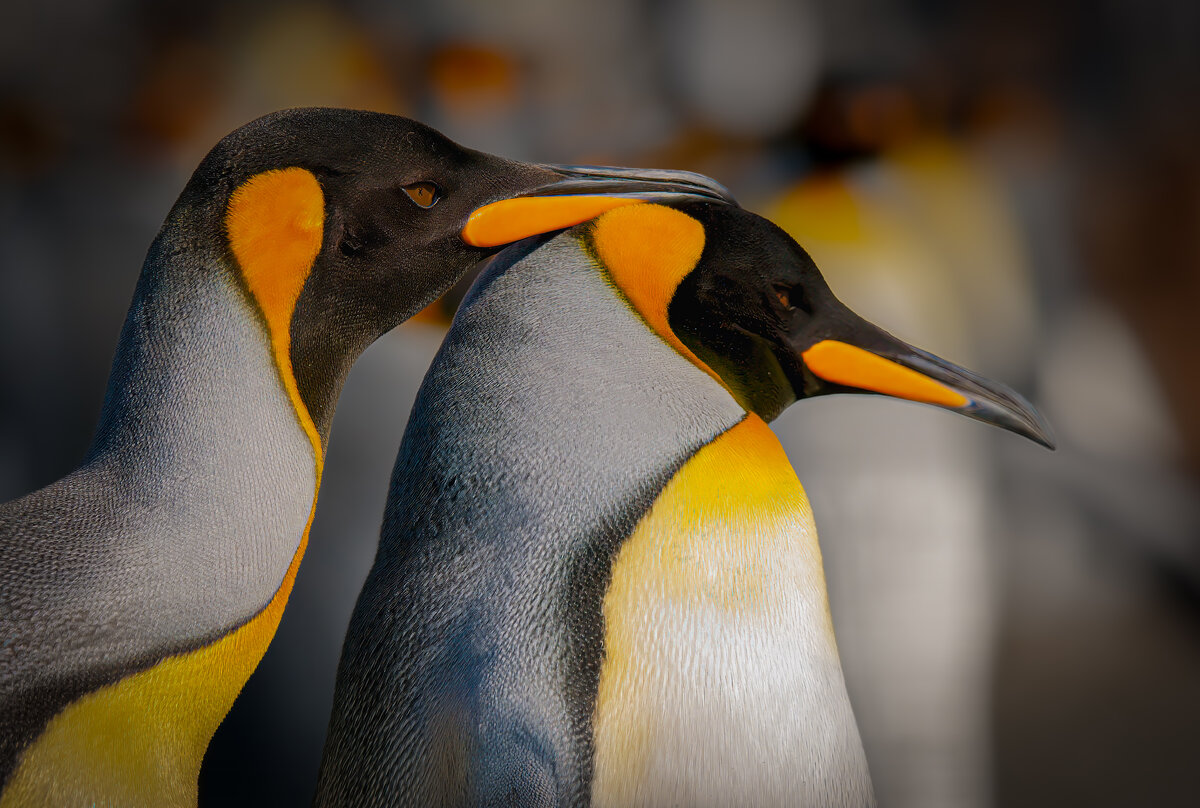
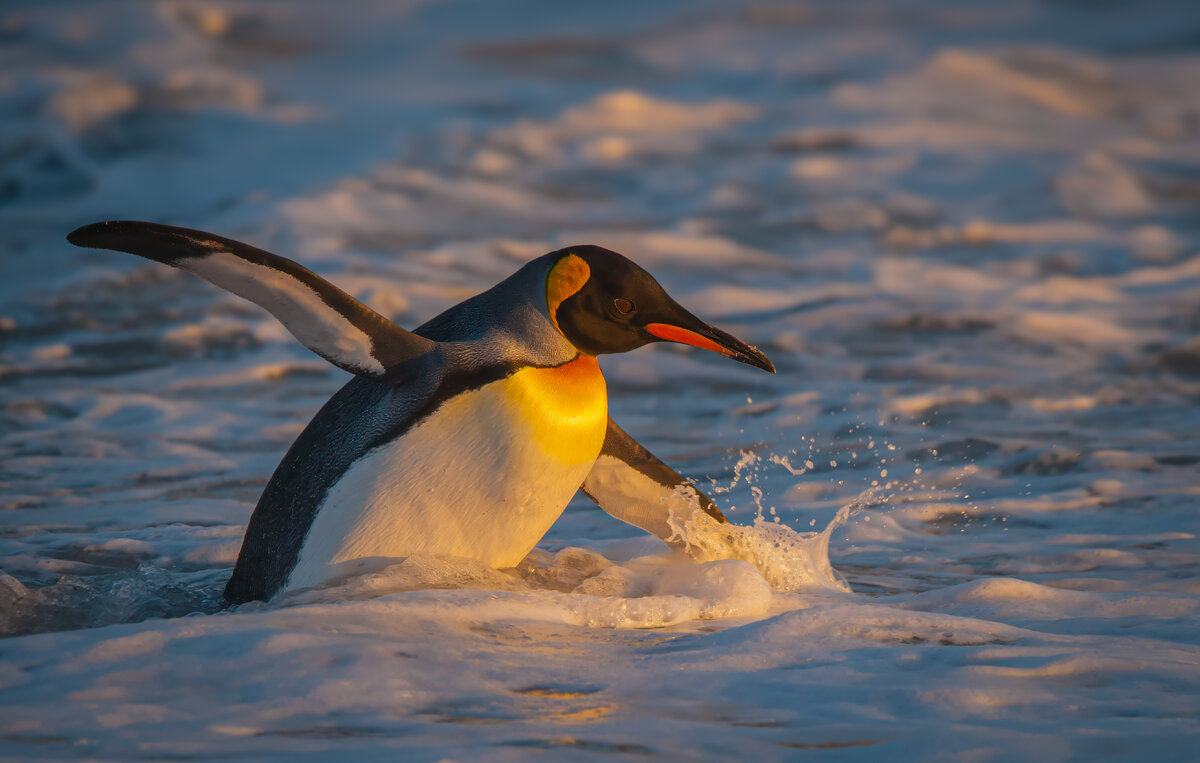
South Georgia Island is a photographer's paradise......if you like King penguins, elephant seals and other birds. The odour from the colony is overwhelming initially but once you are engaged in capturing images of these beautiful creatures it fades away.
This island was the centre of the south seas whale hunt. With whalers came invasive species like cats, rats and deer (for sport hunting). Following an eradication program carried out by the island government and the UK, utilizing Kiwi helicopter pilots who dropped rat poison, the island has now been declared rat free. Deer and cats were hunted to extinction on the island. Wild life has recovered in a remarkable fashion.
South Georgia is also an important landmark in the 1914-18 voyage of Shackleton. After the vessel Endurance was finally crushed by the ice and sank in 1915, Shackleton and his men existed for two years on pack ice in the Weddell Sea until it disintegrated. The crew was able to reach Elephant Island in life boats and it was from here that Shackleton and a small crew sailed an open boat 830 miles across the Drake Passage to South Georgia Island. He and a few men hiked across the island, a mountainous and unforgiving place, to Stromness, the whaling centre on the east coast of South Georgia. Shackleton is buried in Grytviken with his head pointed south acknowledging his desire, never fulfilled, to reach the South Pole.
This island was the centre of the south seas whale hunt. With whalers came invasive species like cats, rats and deer (for sport hunting). Following an eradication program carried out by the island government and the UK, utilizing Kiwi helicopter pilots who dropped rat poison, the island has now been declared rat free. Deer and cats were hunted to extinction on the island. Wild life has recovered in a remarkable fashion.
South Georgia is also an important landmark in the 1914-18 voyage of Shackleton. After the vessel Endurance was finally crushed by the ice and sank in 1915, Shackleton and his men existed for two years on pack ice in the Weddell Sea until it disintegrated. The crew was able to reach Elephant Island in life boats and it was from here that Shackleton and a small crew sailed an open boat 830 miles across the Drake Passage to South Georgia Island. He and a few men hiked across the island, a mountainous and unforgiving place, to Stromness, the whaling centre on the east coast of South Georgia. Shackleton is buried in Grytviken with his head pointed south acknowledging his desire, never fulfilled, to reach the South Pole.


 to everyone for your interest and comments.