

Michael13
Moderator
In the exact middle of nowhere is the ghost town of Marietta, Nevada. In it's heyday, Marietta was not a typical central Nevada mining camp, founded on gold or silver ore, but rather it prospered because of rich deposits of borax and salt.
Originally called Teels Marsh, the area was first developed in 1867 when salt was mined in the lakebed and transported by camel train to Virginia City’s booming mines (at the time, salt was an essential element needed to process silver and gold ore).
The town of Marietta was established in about 1877 and soon had a post office, a newspaper, a company store owned by Borax Smith, several other businesses and more than 150 residents. A stamp mill was erected in the first year to help in the ore processing.
Marietta was a rowdy camp, despite its size, and seemed to garner more than its fair share of criminal activity. The stage service working to and from Marietta was reportedly robbed 30 times in 1880, within one week of that year alone it was robbed 4 times. The town's isolated site made it an easy target for robberies, and for criminals to run freely.
The discovery of the larger borax deposits at Death Valley eventually signaled the end of Marietta. By the 1890s, the borax operations closed and the town quickly slid into oblivion.
In the early 1990s, the area around Teels Marsh and Marietta was designated the nation’s first official wild burro range. The 68,000-acre range is home to about 85 burros that can freely roam the marsh and surrounding hills. There are designated viewing areas above the marsh. Lahontan Valley News
Alas, I didn't see a single burro when I visited, but there are quite a few remains there to be explored.
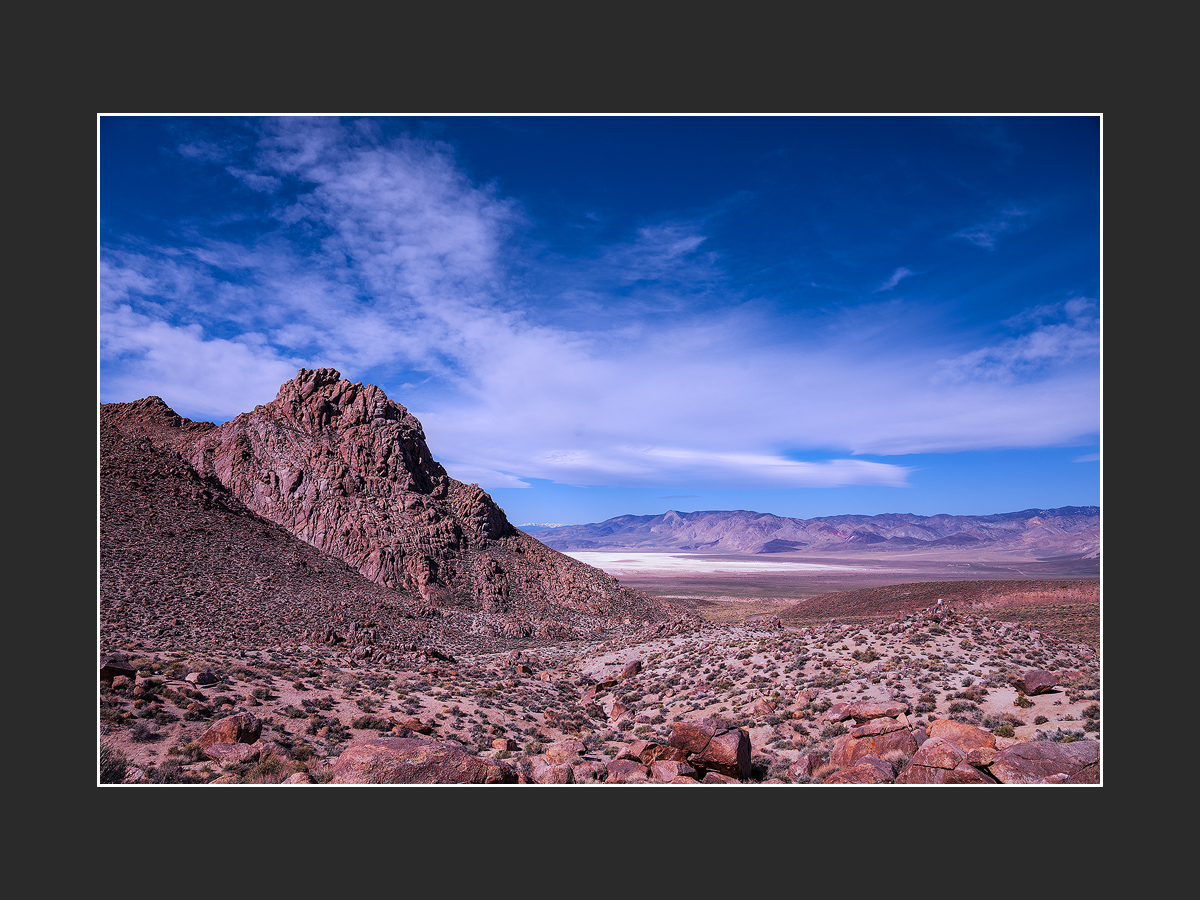
The road descending into Marietta, Teel's Marsh in the background.
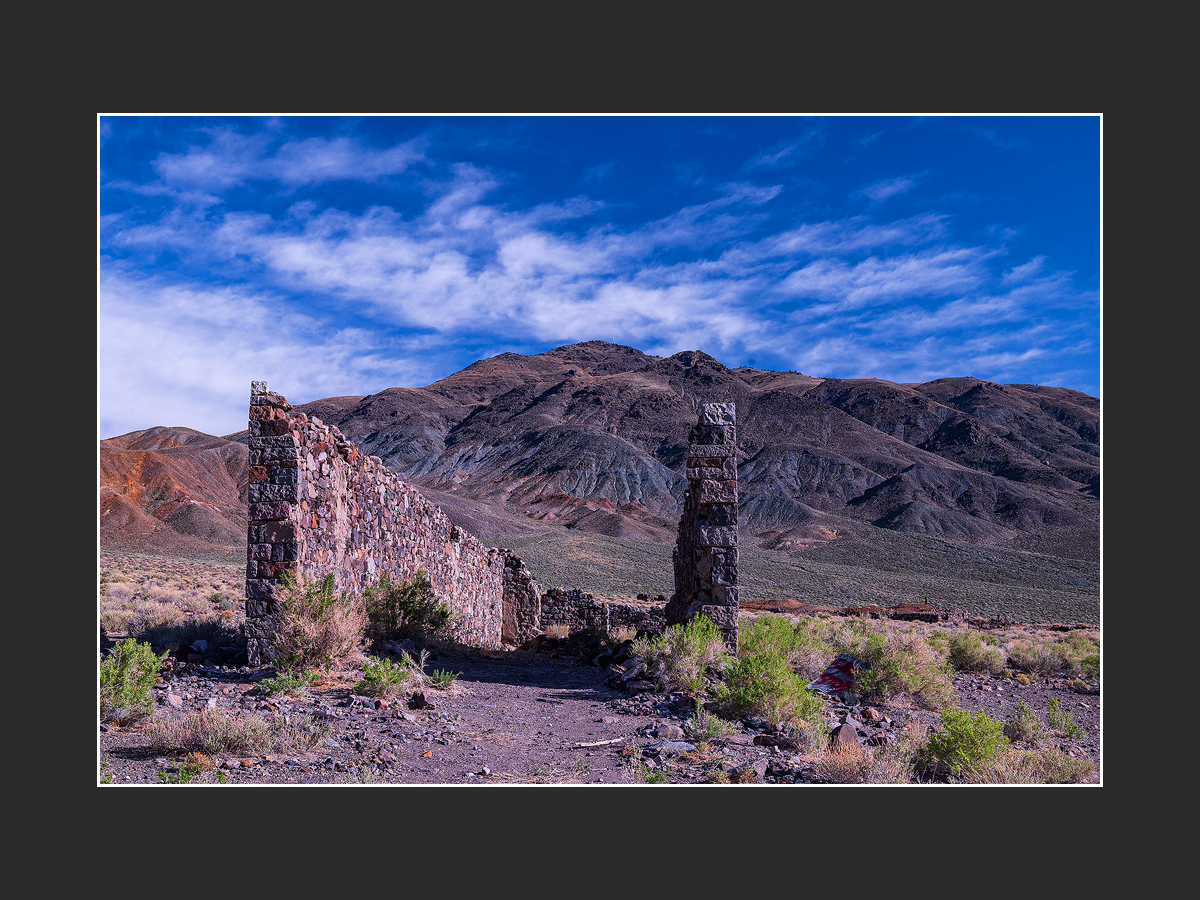
Remains of the town's general store.
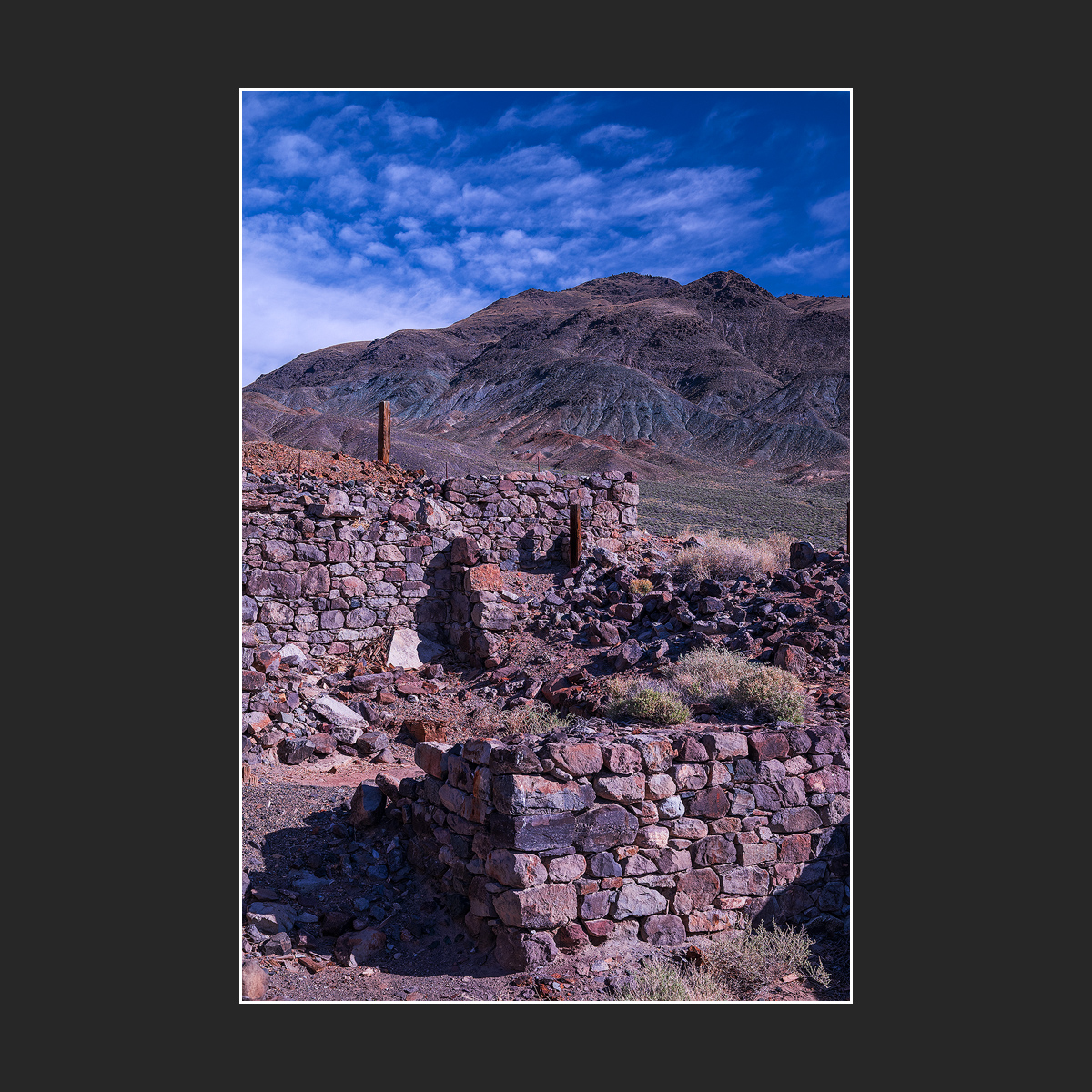
In the Distance, the White Mountains on the Nevada/California border.

Moho Mountain rises north of town.
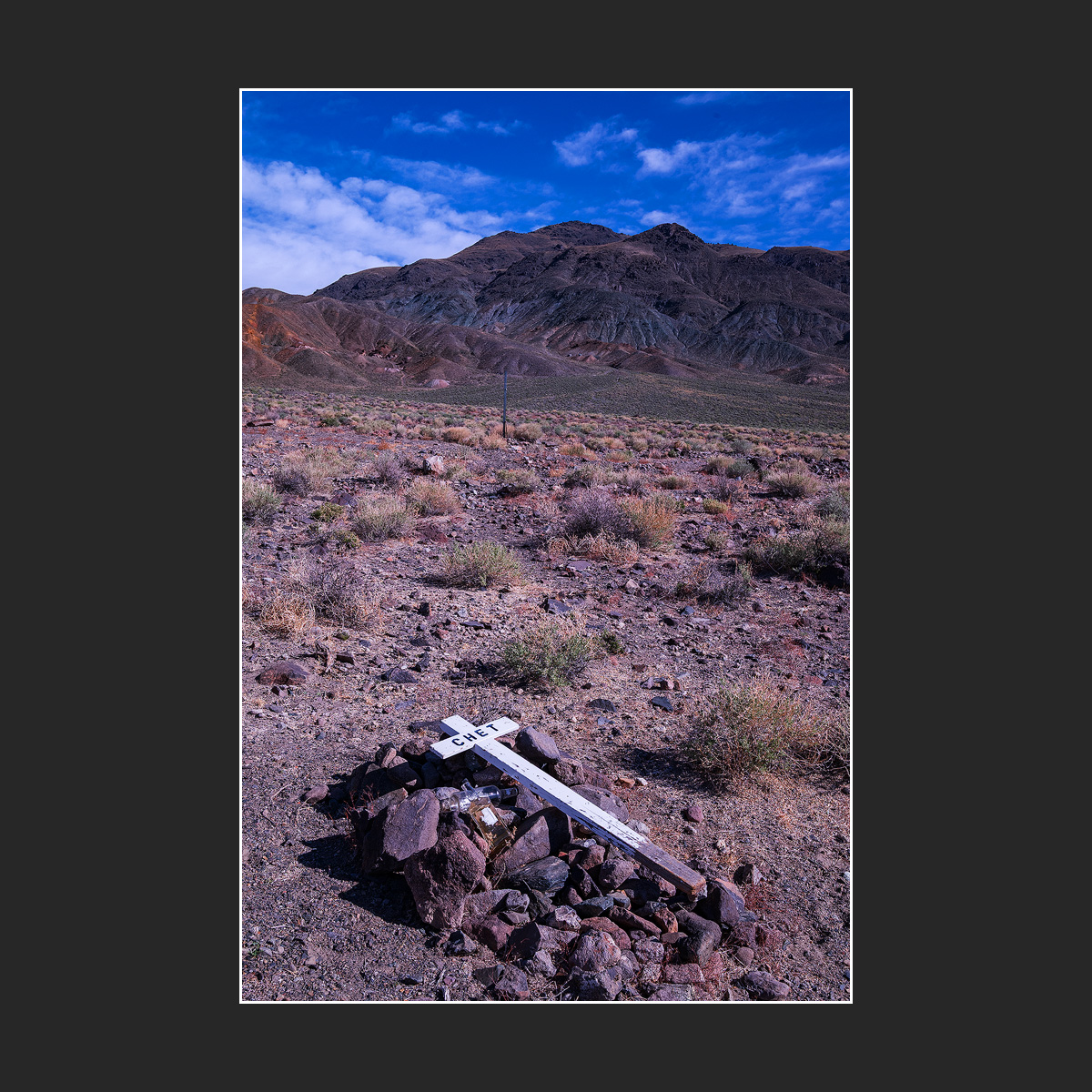
The cemetery has seen better days.
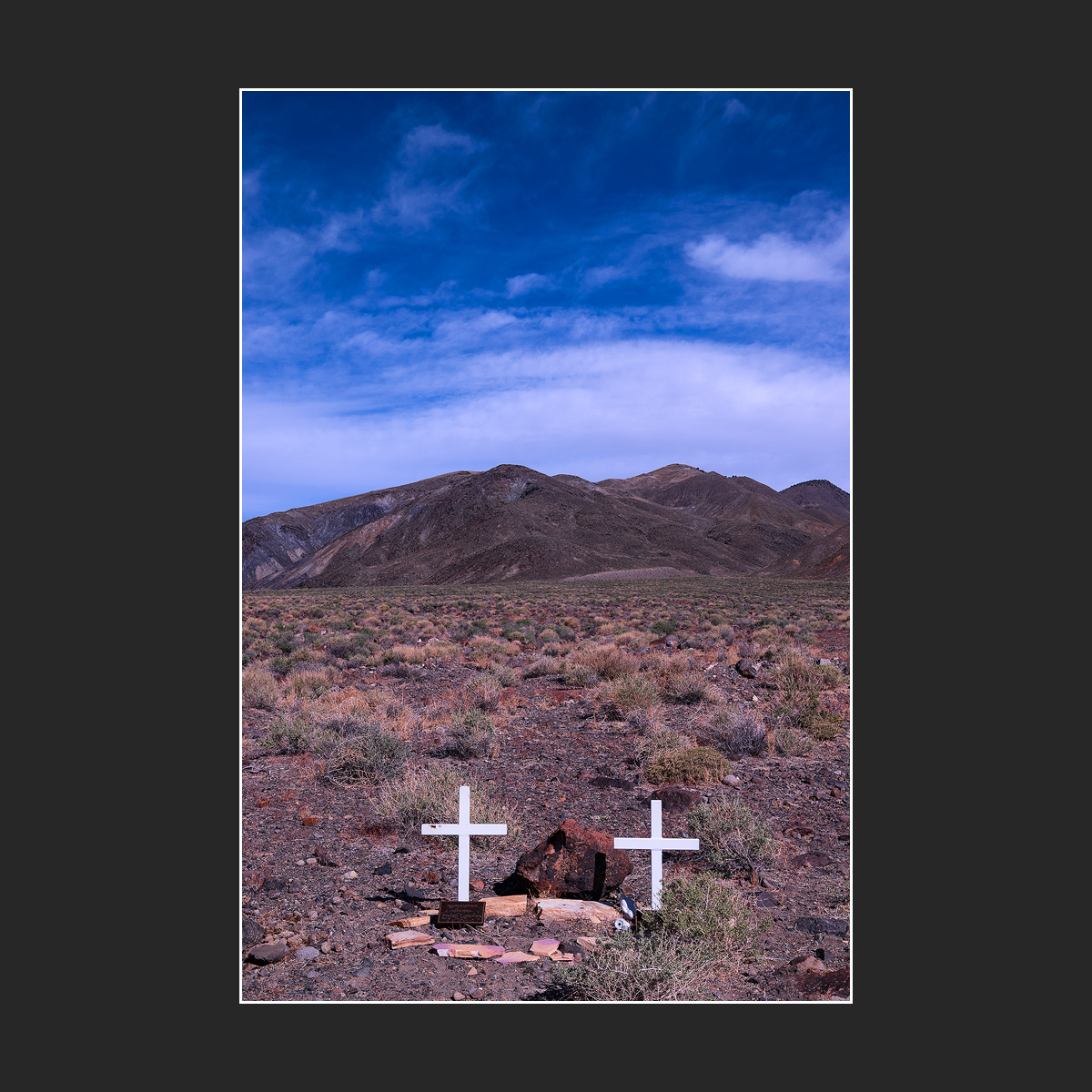
A quiet resting place, and quite scenic.
Originally called Teels Marsh, the area was first developed in 1867 when salt was mined in the lakebed and transported by camel train to Virginia City’s booming mines (at the time, salt was an essential element needed to process silver and gold ore).
The town of Marietta was established in about 1877 and soon had a post office, a newspaper, a company store owned by Borax Smith, several other businesses and more than 150 residents. A stamp mill was erected in the first year to help in the ore processing.
Marietta was a rowdy camp, despite its size, and seemed to garner more than its fair share of criminal activity. The stage service working to and from Marietta was reportedly robbed 30 times in 1880, within one week of that year alone it was robbed 4 times. The town's isolated site made it an easy target for robberies, and for criminals to run freely.
The discovery of the larger borax deposits at Death Valley eventually signaled the end of Marietta. By the 1890s, the borax operations closed and the town quickly slid into oblivion.
In the early 1990s, the area around Teels Marsh and Marietta was designated the nation’s first official wild burro range. The 68,000-acre range is home to about 85 burros that can freely roam the marsh and surrounding hills. There are designated viewing areas above the marsh. Lahontan Valley News
Alas, I didn't see a single burro when I visited, but there are quite a few remains there to be explored.
The road descending into Marietta, Teel's Marsh in the background.
Remains of the town's general store.
In the Distance, the White Mountains on the Nevada/California border.
Moho Mountain rises north of town.
The cemetery has seen better days.
A quiet resting place, and quite scenic.


