Time for the Next Bloom

AlanLichty

Moderator
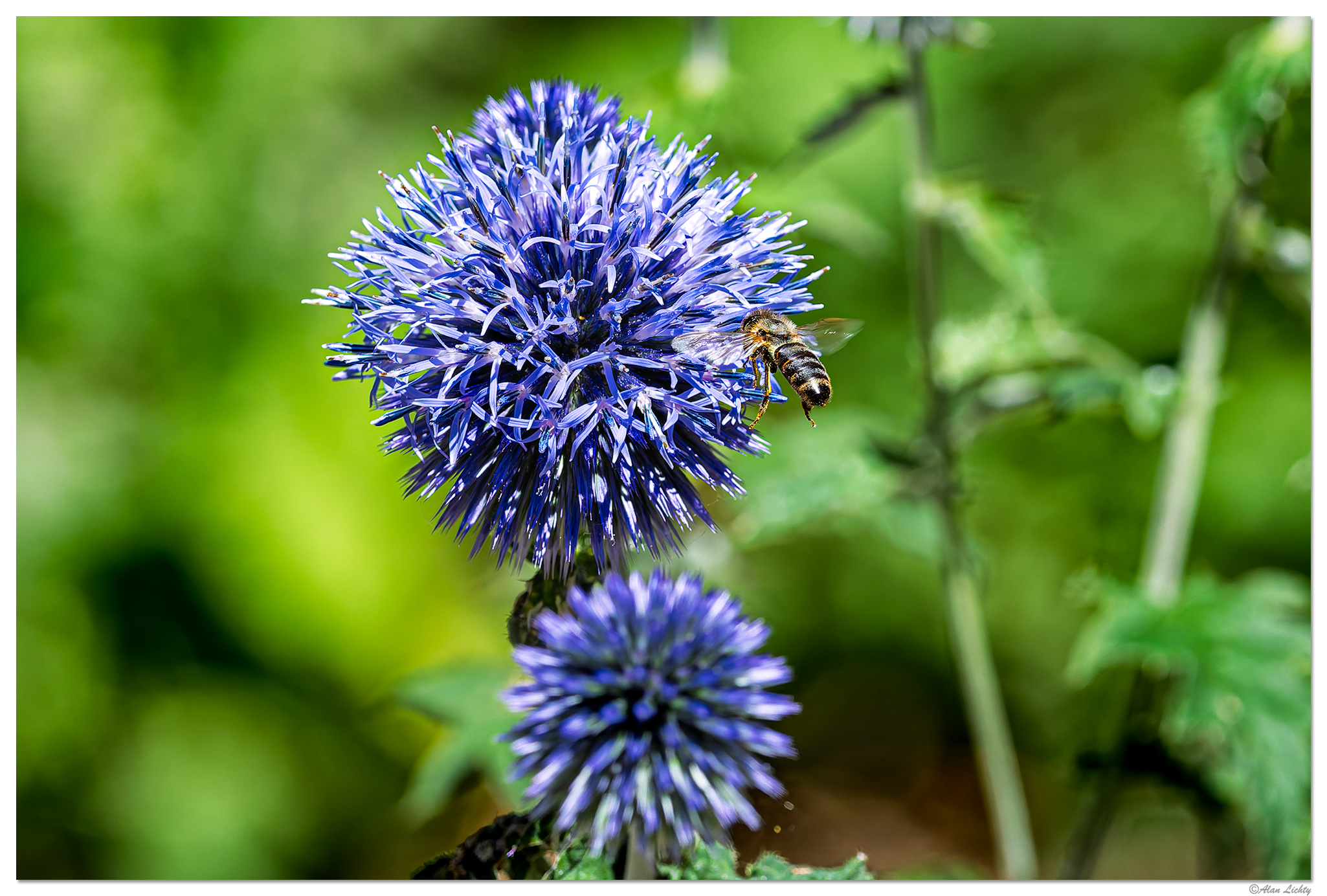
A picture doesn't always reflect the true story. One of the neat aspects of shooting bursts at high speeds is that you can catch behaviors you might not have noticed with your naked eye. In the case of my camera I am shooting 30fps so each frame is 1/30s apart and shows details you might have missed. This western honeybee isn't approaching this echinops bloom but is actually leaving by flying backwards to move away from the bloom before heading off to the next target. This shot catches the bee just as it is preparing to change direction.
CR5m2_BeeBIF073026.jpg


C&C always welcome.
 

AlanLichty

Moderator
How interesting Alan. I should use the burst on my cameras, but haven't yet. This is a great case for using it.
Thanks Jim - the unspoken part of that is that a one second burst in my case nets 45 images since the camera buffers up 15 shots when the shutter button is halfway pressed but before you have finished pushing the button all the way. That does allow to catch some of the action before you were fully ready to shoot but assuming you wanted one good shot out of that burst you now have 44 images to cull. It doesn't take long for that to get thoroughly out of hand so you really do have to toss a lot of shots out of a couple of hours of shooting birds. I have had sessions with up to 1000+ images to get at a half dozen keepers. While AI servo based autofocus is pretty good these days it will still miss about half (or more) out of some bursts so culling becomes a new processing task.
 
Top Bottom