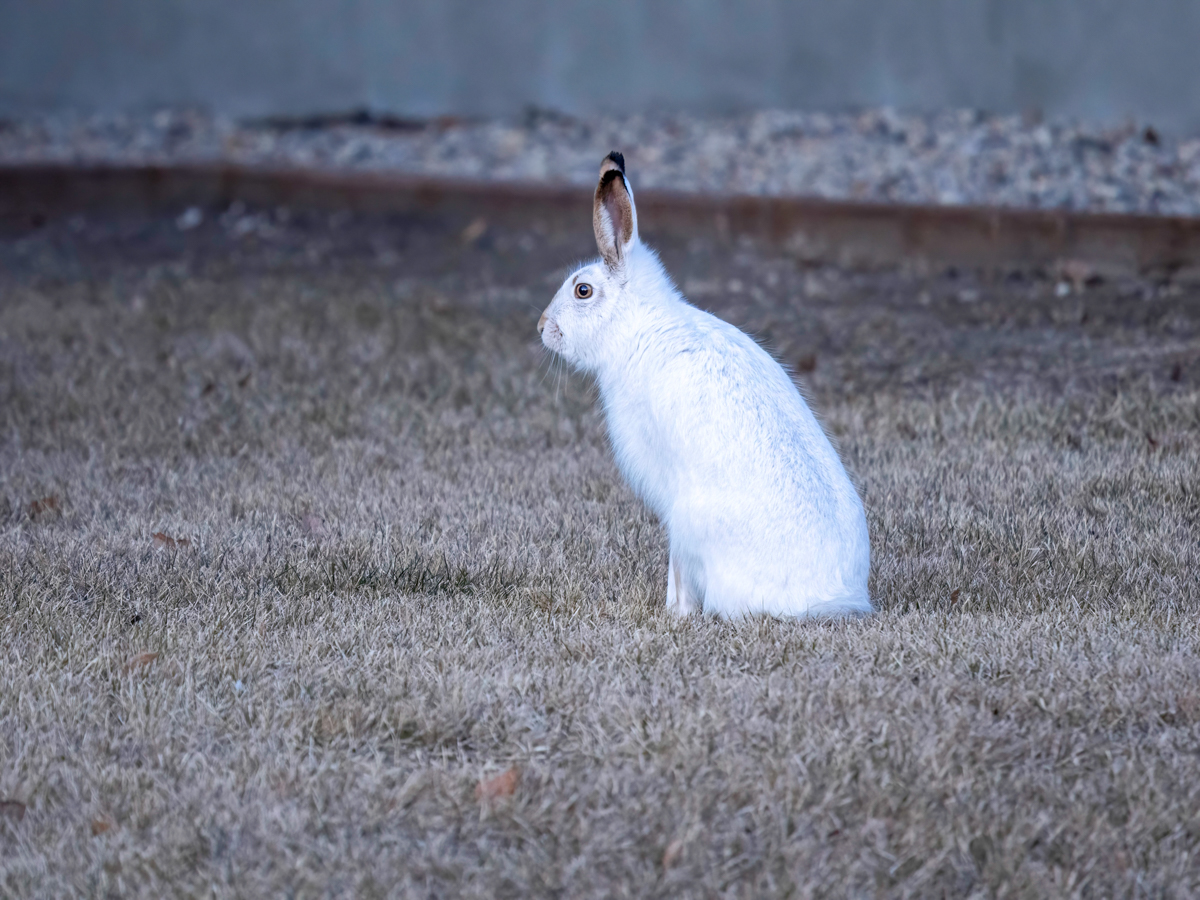
Why did I bother to turn white.

Trent Watts

Well-Known Member
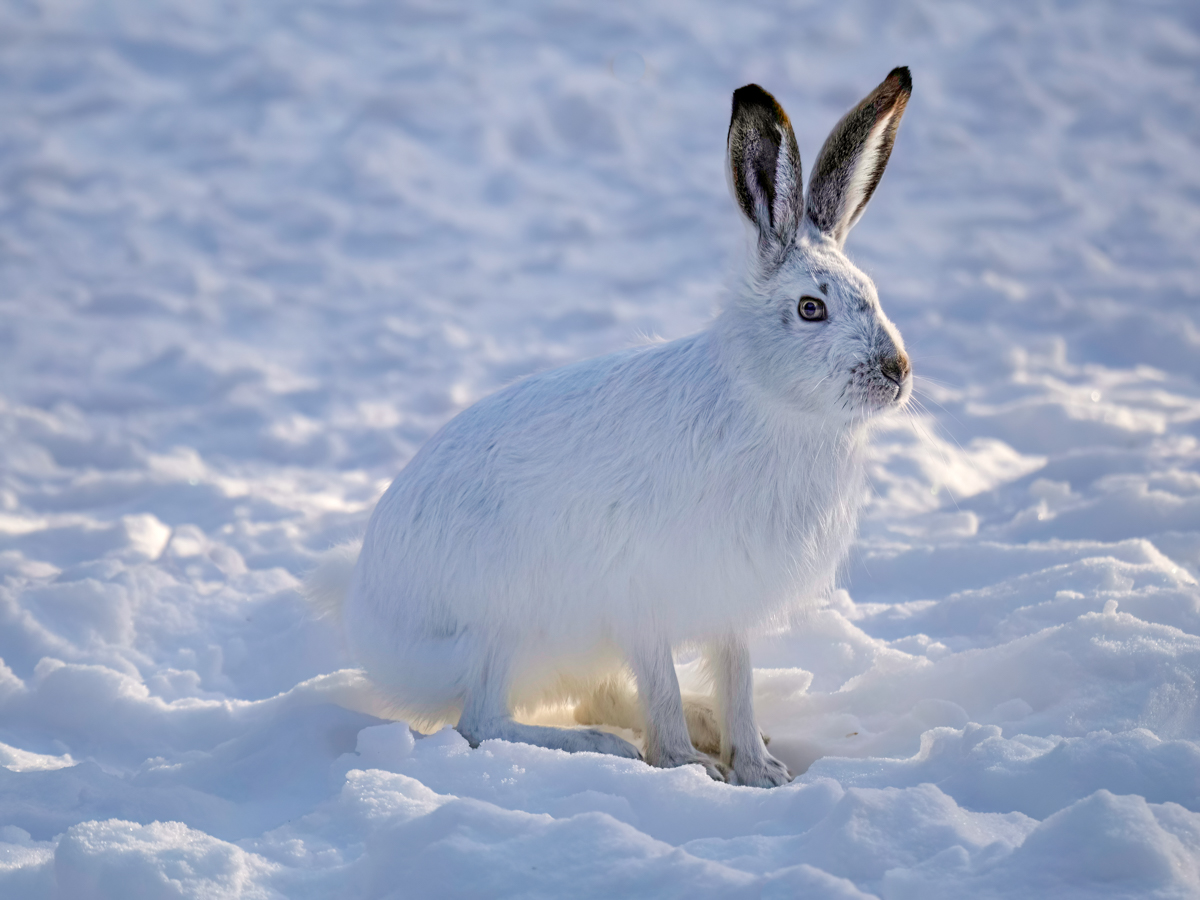
White-tailed jackrabbits are quite commonly seen in our city. Their summer coat is brown and as the days shorten it turns to white in the late fall. This is normally a good thing for camouflage to help avoid predation. This year we are experiencing an unusual stretch of above average temperatures, hovering around the freezing point, with no snow. We would normally have a foot or so of snow by now but it is completely bare. Here is a rabbit from this year and one from last year.
_C092093-Edit.jpg
_C110155-Edit.jpg
 

AlanLichty

Moderator
Hope that rabbit survives until the snow flies. This doesn't appear to be a genetic adaptation that favors survival if we experience more climate events that rewrite our averages.
 

larryj

Well-Known Member
White-tailed jackrabbits are quite commonly seen in our city. Their summer coat is brown and as the days shorten it turns to white in the late fall. This is normally a good thing for camouflage to help avoid predation. This year we are experiencing an unusual stretch of above average temperatures, hovering around the freezing point, with no snow. We would normally have a foot or so of snow by now but it is completely bare. Here is a rabbit from this year and one from last year.

View attachment 67576View attachment 67577
Nice shots and comparison Trent, thanks for sharing! ;)
We have snow shoe rabbits in our neck of the woods that do much the same going from brown in the summer to white in winter. although snow shoe rabbits are very large and can really move across the snow. :)
 

JimFox

Moderator
Staff member
Wow Trent. That's amazing! It's so interesting how they change from brown to white. I hope you get some snow soon so that poor rabbit doesn't feel too out of place.
 
White-tailed jackrabbits are quite commonly seen in our city. Their summer coat is brown and as the days shorten it turns to white in the late fall. This is normally a good thing for camouflage to help avoid predation. This year we are experiencing an unusual stretch of above average temperatures, hovering around the freezing point, with no snow. We would normally have a foot or so of snow by now but it is completely bare. Here is a rabbit from this year and one from last year.

View attachment 67576View attachment 67577
Trent, this is really cool, I didn't know the fur change, nicely shot!

Oliver
 

Eric Gofreed

Well-Known Member
Great photos as always, Trent. The ones that don't turn white as quickly will have a better chance of survival so adaptation in the species continues. Hopefully, of course, there is enough time for adaptation. I do prefer last year's photo.
 
Top Bottom