

Eric Gofreed
Well-Known Member
Thank you to everyone who posts to Winged Wednesday and everyone who comments. My contributions today are photographs of five more birds from my Brazil trip a few months ago.

The Blond-crested Woodpecker is a medium-sized bird, measuring 10–12 inches in length. Native to South America. This species thrives in tropical forests, woodlands, and even urban green spaces. Its diet primarily consists of insects like ants and termites, complemented by fruits and seeds.

The Red-necked Tanager is found in the Atlantic forests of southeastern Brazil, eastern Paraguay, and northern Argentina. Measuring about 5 inches in length, this small, active bird thrives in tropical and subtropical forests. Its diet consists of fruits, nectar, and insects, playing a vital role in seed dispersal and pollination.

The Black-collared Hawk lives in wetlands, riverbanks, and mangroves from southern Mexico to northern Argentina. Measuring 17–21 inches with a wingspan of up to 4 feet, it feeds mostly on fish but also eats amphibians, reptiles, and small mammals. Skilled at snatching prey from the water.
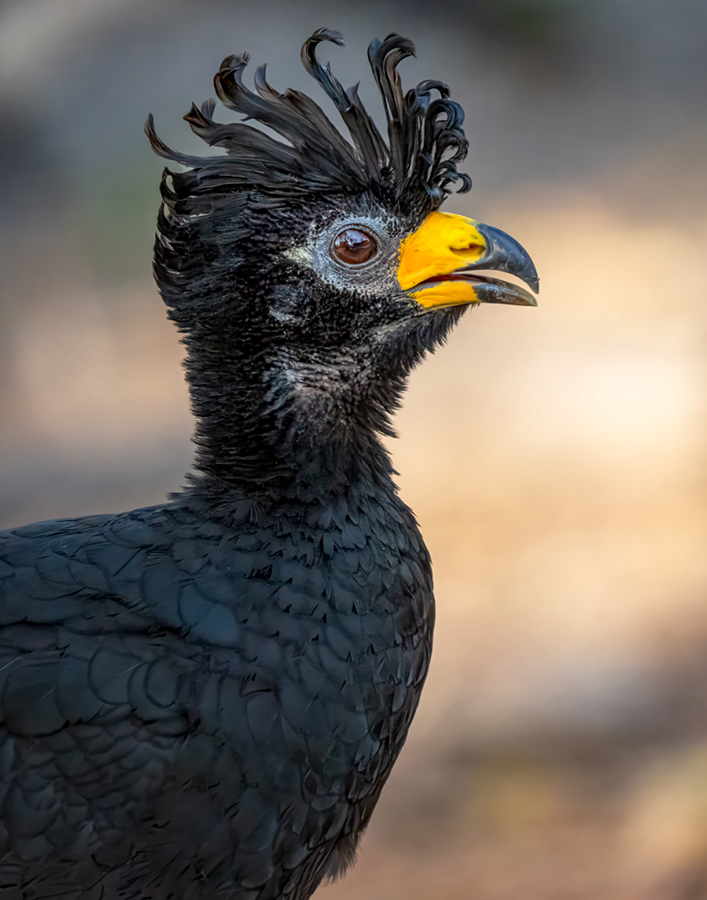
The Bare-faced Curassow is a ground-dwelling bird found in the forests, woodlands, and savannas of South America. This large bird measures about 32–36 inches in length and is known for its quiet, cautious movements. Its diet includes fruits, seeds, insects, and small animals. Often spotted foraging on the forest floor, the curassow’s presence is a sign of a healthy, biodiverse habitat. This is the male.

The Saffron Toucanet inhabits the Atlantic forests of Brazil, Paraguay, and northern Argentina. It measures about 14–16 inches in length. This toucanet feeds on fruits, insects, and small vertebrates. Often seen in pairs or small groups, it thrives in lush, forested habitats
The Blond-crested Woodpecker is a medium-sized bird, measuring 10–12 inches in length. Native to South America. This species thrives in tropical forests, woodlands, and even urban green spaces. Its diet primarily consists of insects like ants and termites, complemented by fruits and seeds.
The Red-necked Tanager is found in the Atlantic forests of southeastern Brazil, eastern Paraguay, and northern Argentina. Measuring about 5 inches in length, this small, active bird thrives in tropical and subtropical forests. Its diet consists of fruits, nectar, and insects, playing a vital role in seed dispersal and pollination.
The Black-collared Hawk lives in wetlands, riverbanks, and mangroves from southern Mexico to northern Argentina. Measuring 17–21 inches with a wingspan of up to 4 feet, it feeds mostly on fish but also eats amphibians, reptiles, and small mammals. Skilled at snatching prey from the water.
The Bare-faced Curassow is a ground-dwelling bird found in the forests, woodlands, and savannas of South America. This large bird measures about 32–36 inches in length and is known for its quiet, cautious movements. Its diet includes fruits, seeds, insects, and small animals. Often spotted foraging on the forest floor, the curassow’s presence is a sign of a healthy, biodiverse habitat. This is the male.
The Saffron Toucanet inhabits the Atlantic forests of Brazil, Paraguay, and northern Argentina. It measures about 14–16 inches in length. This toucanet feeds on fruits, insects, and small vertebrates. Often seen in pairs or small groups, it thrives in lush, forested habitats
Last edited:


