Winged Wednesday — 6/17/2026: Tanagers

Eric Gofreed

Well-Known Member
It’s Winged Wednesday, where feathers, flutters, and flight steal the show! Whether they’re soaring, hovering, gliding, or simply posing where the light is best, we want to see your favorite winged wonders. Birds, bugs, bats, butterflies, dragonflies, or anything else with wings—if it flies, it qualifies.

My contribution this week: Tanagers.

If birds were allowed to design themselves, they might end up looking like tanagers.

Tanagers seem to approach color with very little restraint. Blues, greens, reds, yellows, oranges, turquoise, black—sometimes all on the same bird. They often look less like wildlife and more like somebody misplaced a tropical paint set.

All of the tanagers in this collection come from Central and South America, where subtlety appears to have lost an argument long ago.
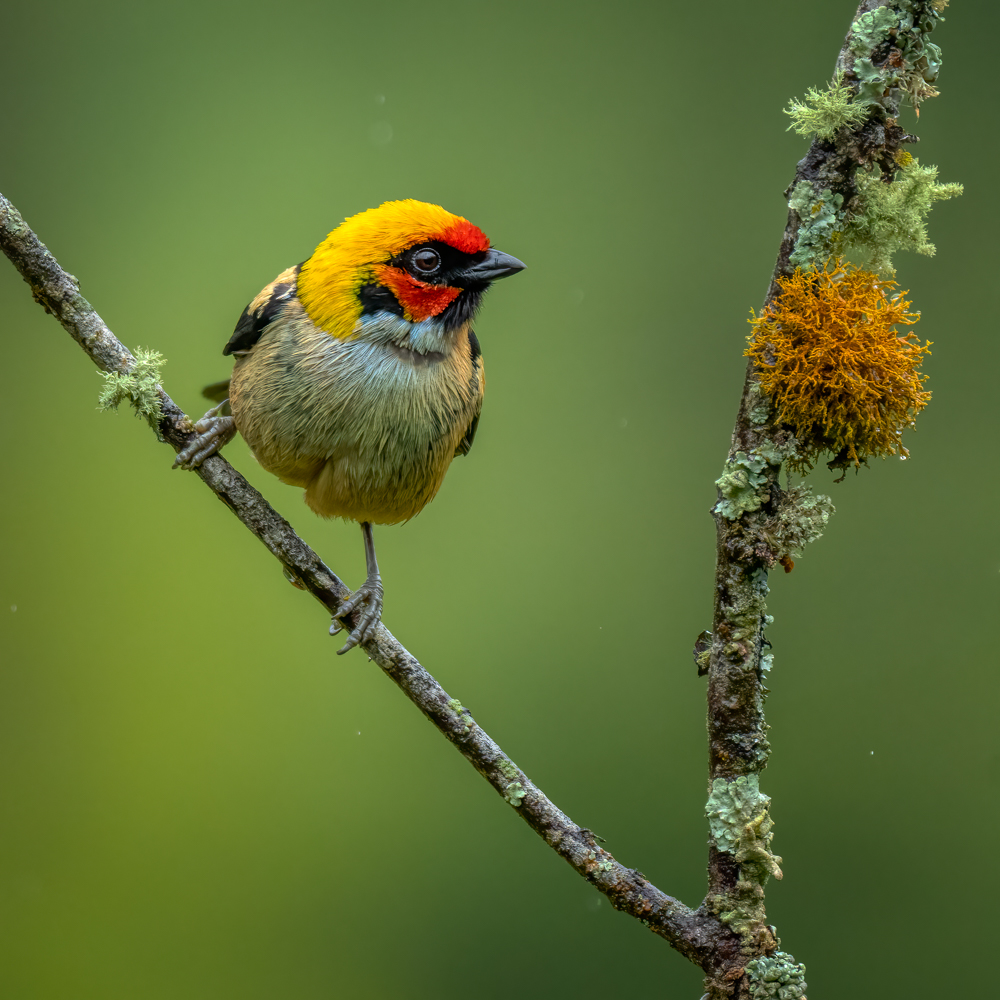
Flame-faced Tanagers-03671-Edit.jpg

Flame-faced TanagerIf tropical fruit could fly.

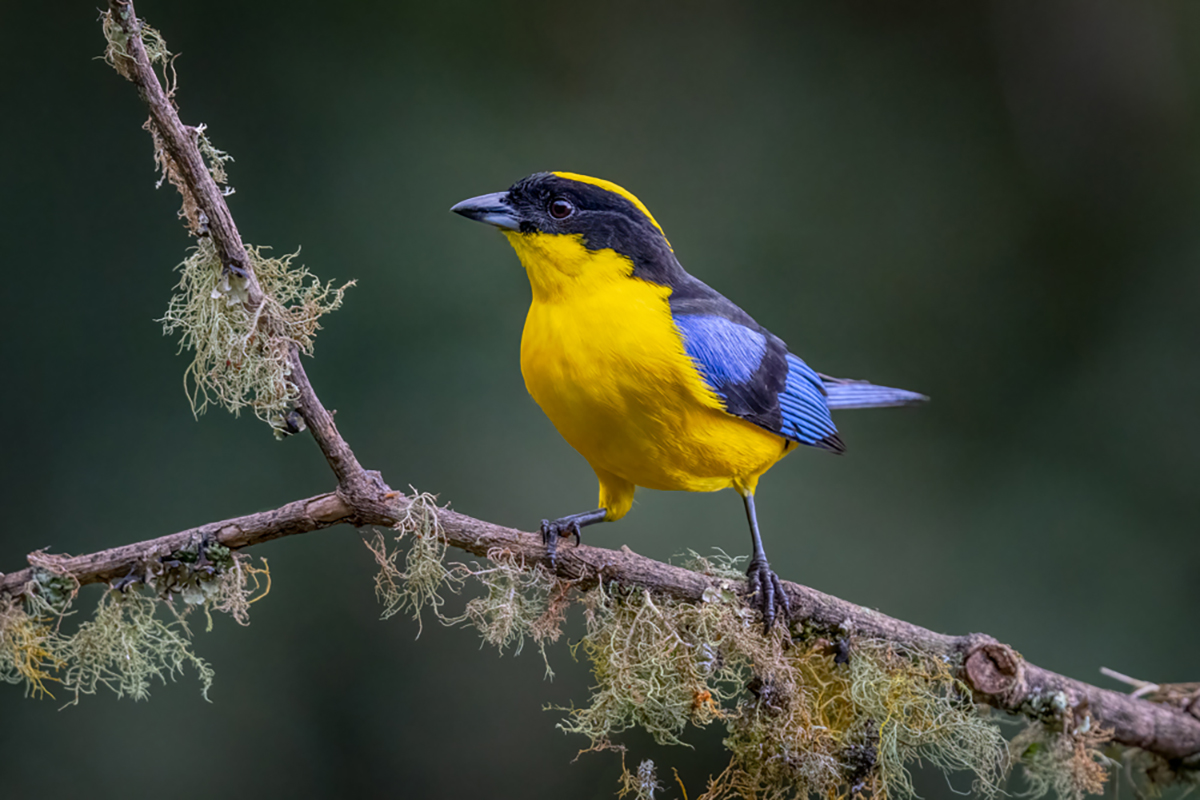
Blue-winged Mountain-Tanager.jpg

Blue-winged Mountain-Tanager—Part mountain bird, part misplaced sky.
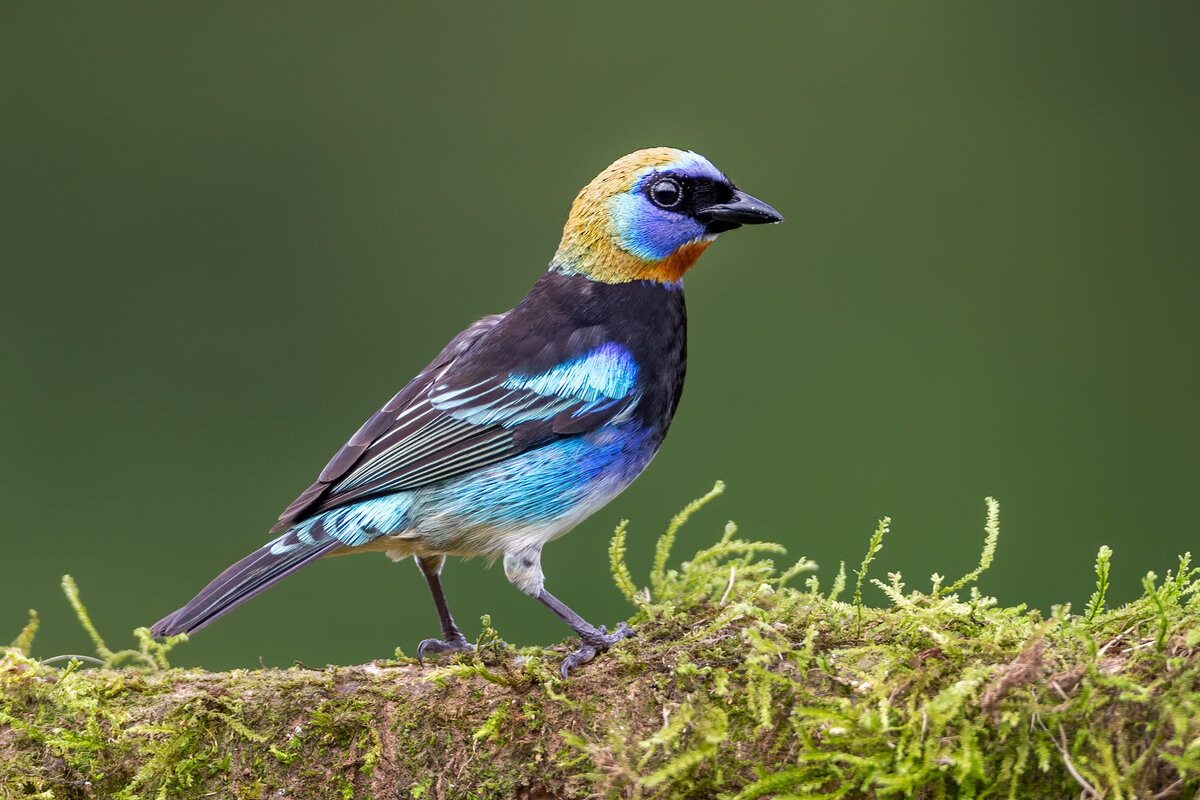
Golden Hooded Tanager2429-Edit.jpg

Golden-hooded Tanager — The tropics remain opposed to beige.
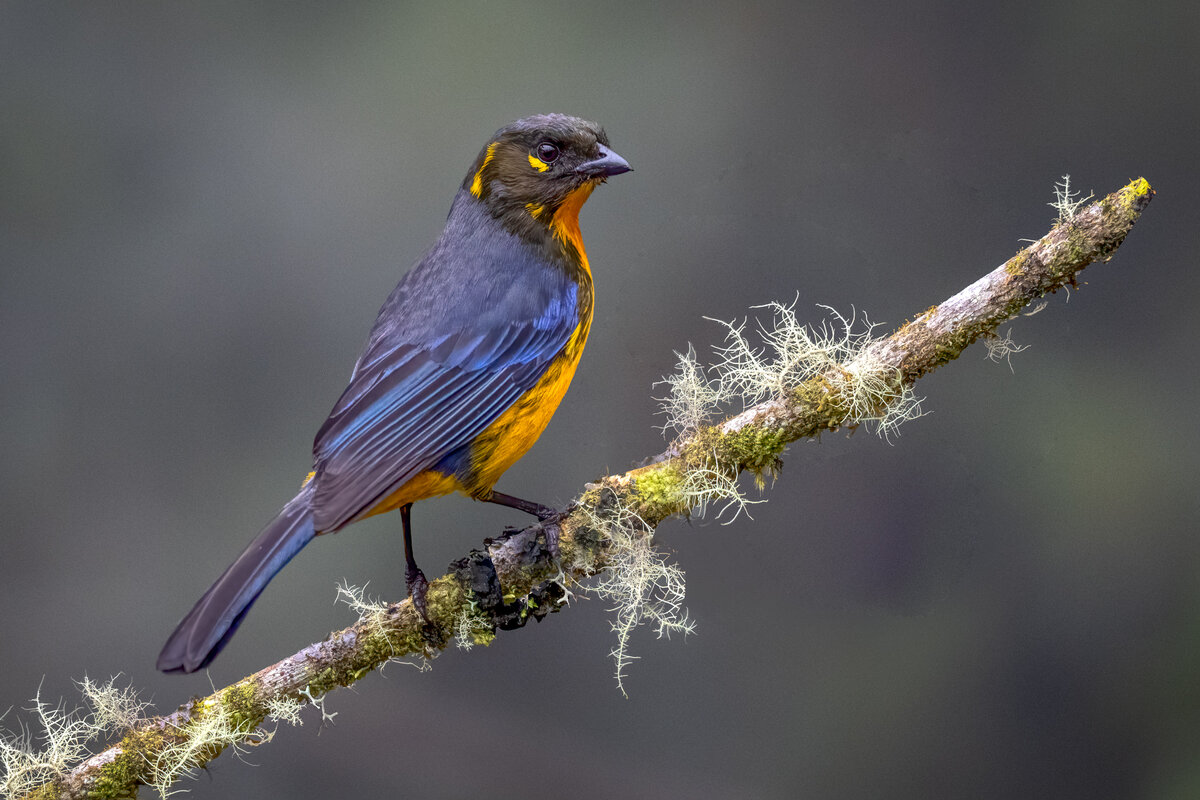
Lacrimose Mountain Tanager-3.jpg

Lacrimose Tanager — The colors are cheerful. The expression remains unconvinced.
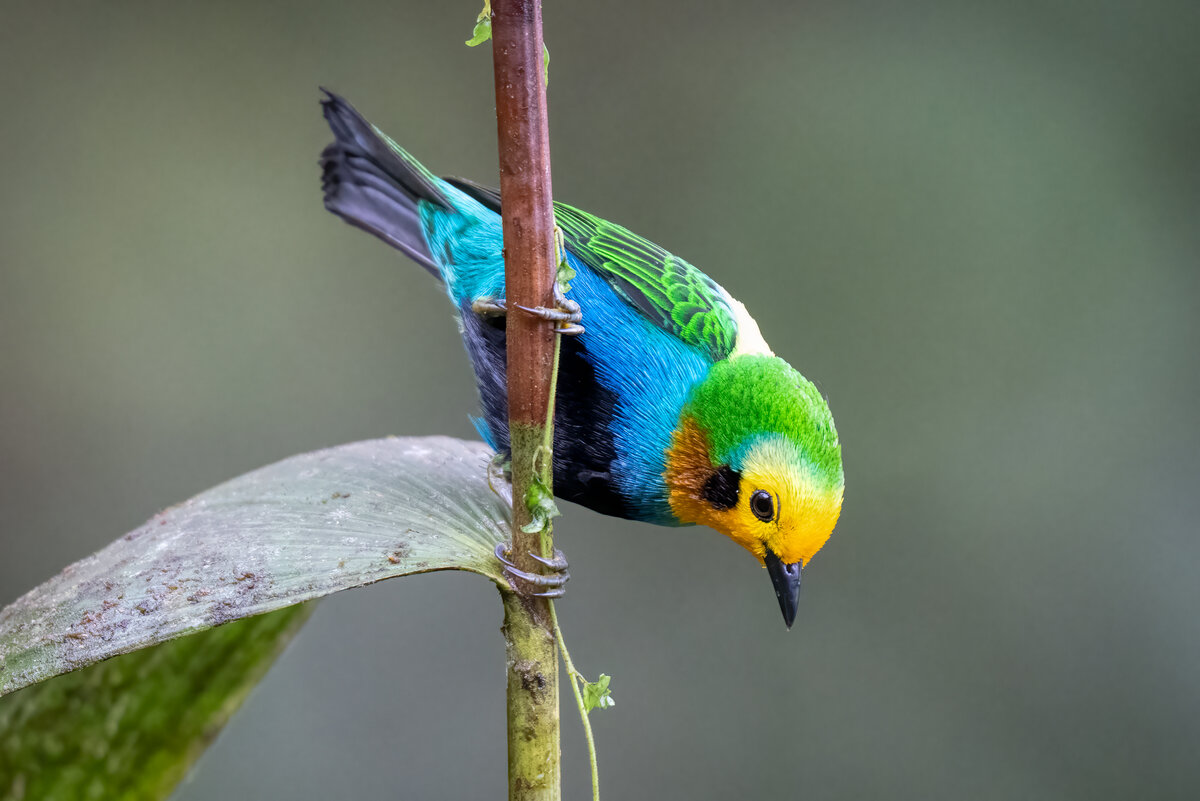
Multicolored Tanager-00034-Edit.jpg

Multicolored Tanager
— Looks like a rainbow applied for a bird license.
 

Trent Watts

Well-Known Member
It’s Winged Wednesday, where feathers, flutters, and flight steal the show! Whether they’re soaring, hovering, gliding, or simply posing where the light is best, we want to see your favorite winged wonders. Birds, bugs, bats, butterflies, dragonflies, or anything else with wings—if it flies, it qualifies.

My contribution this week: Tanagers.

If birds were allowed to design themselves, they might end up looking like tanagers.

Tanagers seem to approach color with very little restraint. Blues, greens, reds, yellows, oranges, turquoise, black—sometimes all on the same bird. They often look less like wildlife and more like somebody misplaced a tropical paint set.

All of the tanagers in this collection come from Central and South America, where subtlety appears to have lost an argument long ago.

View attachment 89660
Flame-faced TanagerIf tropical fruit could fly.

View attachment 89661
Blue-winged Mountain-Tanager—Part mountain bird, part misplaced sky.

View attachment 89664
Golden-hooded Tanager — The tropics remain opposed to beige.

View attachment 89659
Lacrimose Tanager — The colors are cheerful. The expression remains unconvinced.

View attachment 89662
Multicolored Tanager
— Looks like a rainbow applied for a bird license.
Wow Eric. These are gorgeous. Such vibrant colour in these tropical birds.
 

Trent Watts

Well-Known Member
My week was all insects again. I have been documenting the decline of 80 year old spruce trees in a local park. The insects that accompany the decaying trees are fascinating. Here are a few of the better shots from this week.

Woodpecker Flies are so named because they are often found in habitat created by woodpeckers. This fits with the many holes in these dying spruce trees. Those eyes seem way out of proportion. This is a tiny fly.
W1012524.jpg


This fly is a Peleteria, a genus of tachinid flies that lay eggs on the larvae of other insects. It was sitting on a dandelion flower.
W1012555.jpg


Two Flesh flies hanging from a grass stem, doing their best to ensure another generation.
W1012595.jpg


This is a Hover fly (Chalcosyrphus) but quite different than other Hover flies that are usually found around flowers. It is more common around rotting wood.
W1012630.jpg


This is a nymphal stage of a plant bug. It did not fly away as I pointed my camera at it. Only when processing did I note that it was unable to fly because the wings have not yet developed.
W1012674.jpg
 
Last edited:

Eric Gofreed

Well-Known Member
My week was all insects again. I have been documenting the decline of 80 year old spruce trees in a local park. The insects that accompany the decaying trees are fascinating. Here are a few of the better shots from this week.

Woodpecker Flies are so named because they are often found in habitat created by woodpeckers. This fits with the many holes in these dying spruce trees. Those eyes seem way out of proportion. This is a tiny fly.
View attachment 89671

This fly is a Peleteria, a genus of tachinid flies that lay eggs on the larvae of other insects. It was sitting on a dandelion flower.
View attachment 89672

Two Flesh flies hanging from a grass stem, doing their best to ensure another generation.
View attachment 89673

This is a Hover fly (Chalcosyrphus) but quite different than other Hover flies that are usually found around flowers. It is more common around rotting wood.
View attachment 89674

This is a nymphal stage of a plant bug. It did not fly away as I pointed my camera at it. Only when processing did I note that it was unable to fly because the wings have not yet developed.
View attachment 89675
yup, nymphs can't fly. Exexceptional photography, Trent!
 
Top Bottom