

Eric Gofreed
Well-Known Member
It’s Winged Wednesday, where feathers, flight, and attitude collide—and any winged creature is fair game.
This week, let’s take a closer look at the beak.
Bird bills come in all shapes and sizes, each finely tuned to the bird’s lifestyle.
Here are a few fun types to look for: (Google List)
Let’s see what you’ve got!
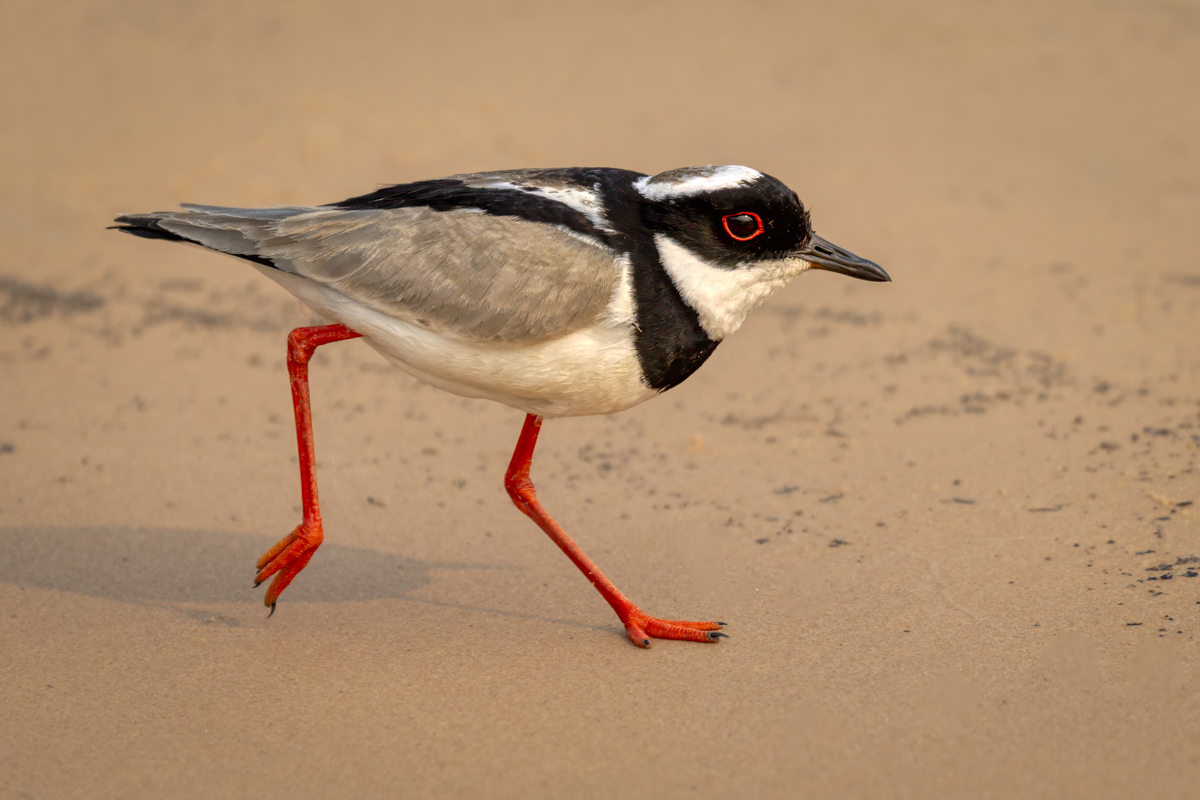
Pied Plover (Brazil)
This striking shorebird sports a fine, pointed bill—ideal for precision pecking as it forages along riverbanks and sandy flats.
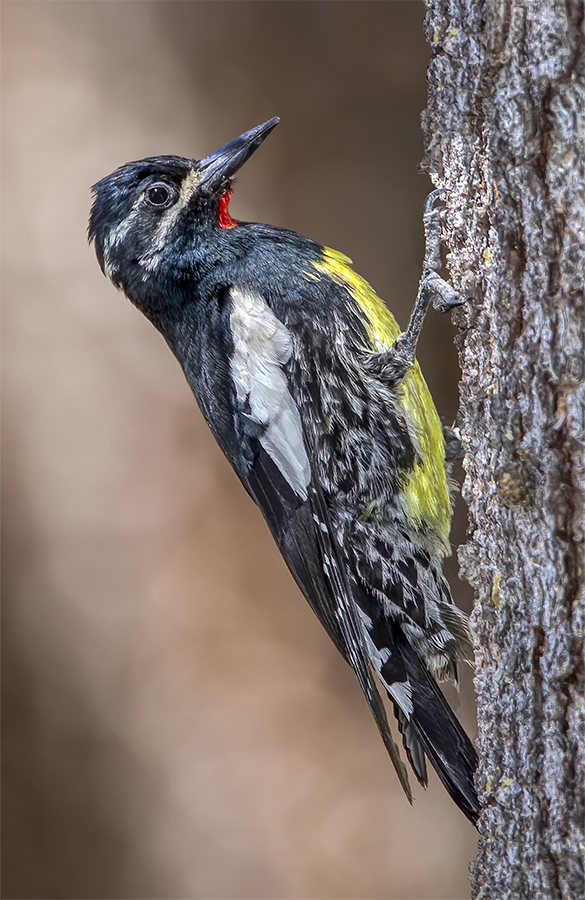
Williamson’s Sapsucker, Male (New Mexico)
That chisel-tipped bill carves neat rows of sap wells in tree bark. He returns for both the sugary sap and the bugs it attracts.
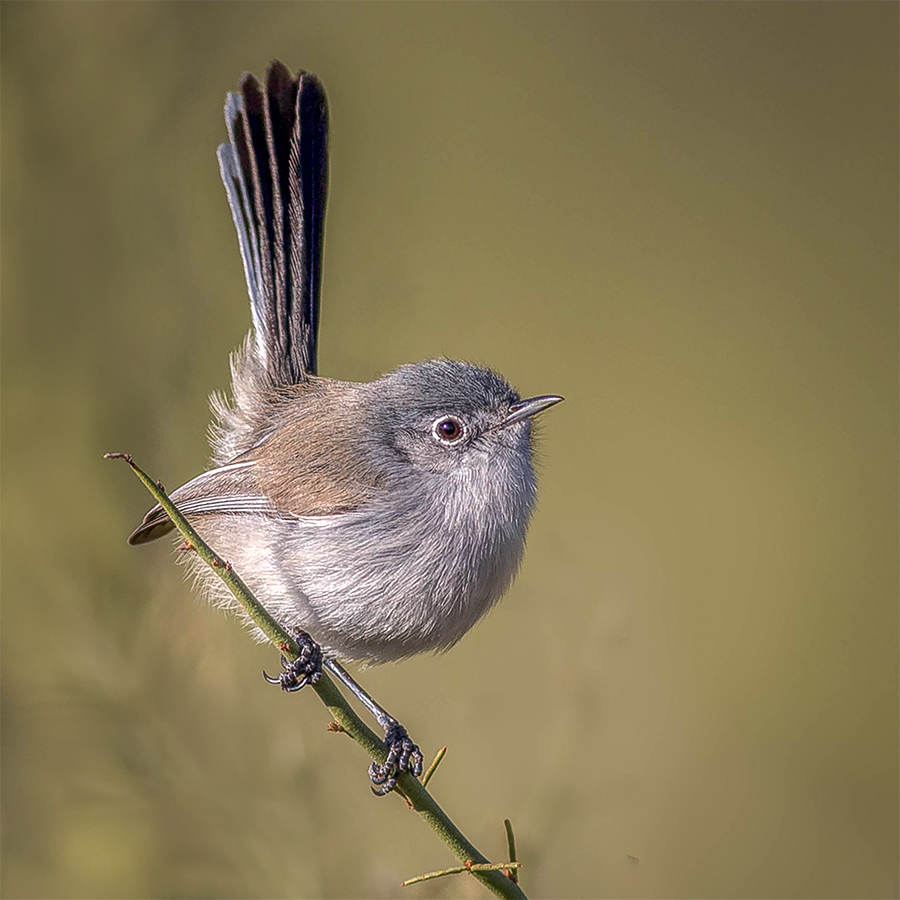
Black-tailed Gnatcatcher (Arizona)
Tiny bird, tiny bill—but perfectly tuned for snatching midges and gnats from leaves and air. The slim needle-like shape lets it pick off prey without slowing down.
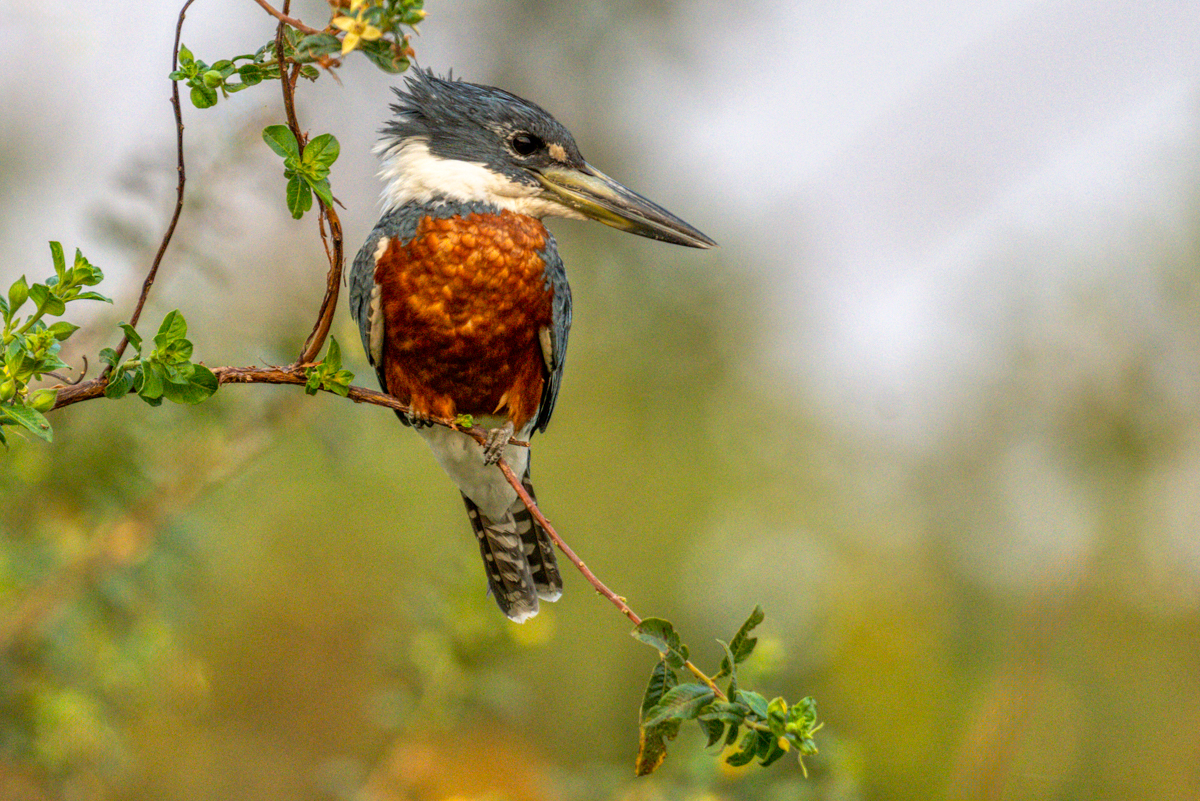
Ringed Kingfisher (Brazil)
This dagger of a bill was built for impact. Perched above a river, the kingfisher spots its quarry, then plunges with surgical precision—bill first. A fish-catching spear attached to feathers.

Sword-billed Hummingbird (Ecuador)
That impossibly long bill isn’t a gimmick—it’s a perfect match for the deep trumpet-shaped flowers of the Andes. No other bird can reach the nectar.
This hummer sees UV floral patterns invisible to us and drinks where no one else can.
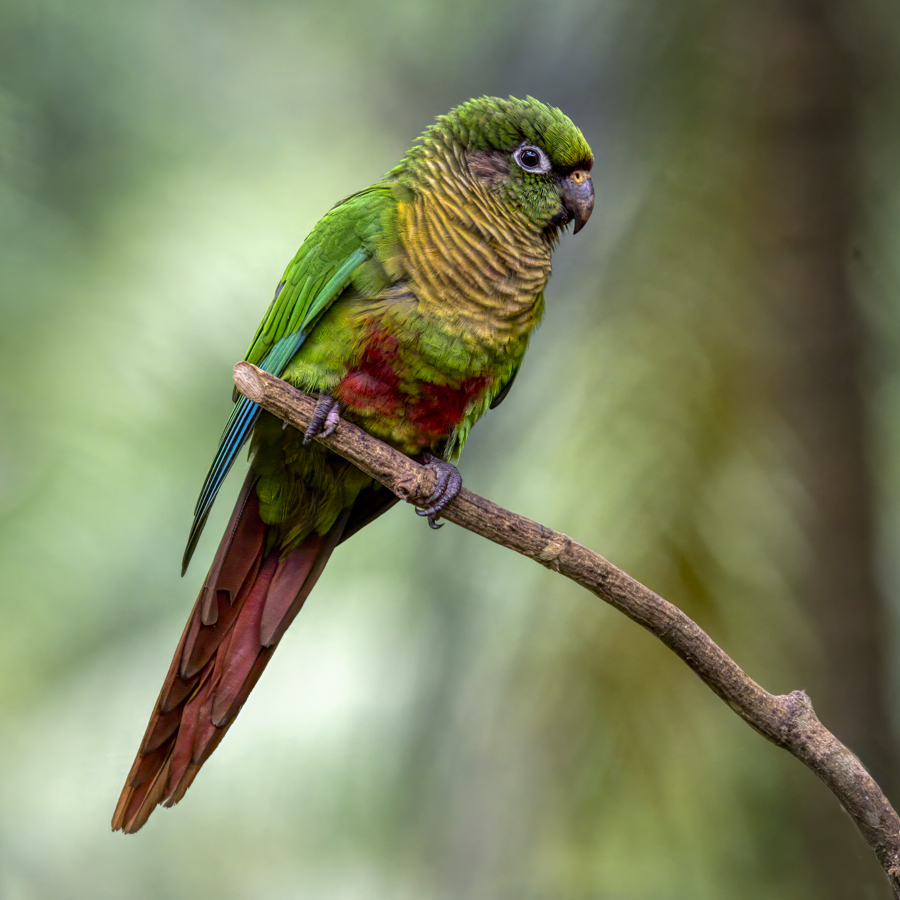
Maroon-bellied Parakeet (Brazil)
The curved bill of a parakeet is built for leverage. It cracks seeds, peels fruit, and even helps climb branches. Think of it as a Swiss Army beak.
This week, let’s take a closer look at the beak.
Bird bills come in all shapes and sizes, each finely tuned to the bird’s lifestyle.
Here are a few fun types to look for: (Google List)
- Hooked: Sharp and curved, perfect for tearing flesh (hawks, eagles, owls)
- Cracker: Thick and conical, made for crushing seeds (finches, sparrows)
- Spear: Long and pointed for catching fish (kingfishers, herons)
- Chisel: Sturdy and sharp for drilling wood (woodpeckers, sapsuckers)
- Probe: Slender and precise for reaching nectar or insects (hummingbirds, curlews)
- Strainer: Flat and fringed to filter food from water (ducks, flamingos)
- Spatulate: Spoon-shaped for sweeping the shallows (spoonbills)
- Pouched: Expandable scoops for netting fish (pelicans)
- Swiss Army Knife: All-purpose, clever tools (crows, jays, ravens)
Let’s see what you’ve got!
Pied Plover (Brazil)
This striking shorebird sports a fine, pointed bill—ideal for precision pecking as it forages along riverbanks and sandy flats.
Williamson’s Sapsucker, Male (New Mexico)
That chisel-tipped bill carves neat rows of sap wells in tree bark. He returns for both the sugary sap and the bugs it attracts.
Black-tailed Gnatcatcher (Arizona)
Tiny bird, tiny bill—but perfectly tuned for snatching midges and gnats from leaves and air. The slim needle-like shape lets it pick off prey without slowing down.
Ringed Kingfisher (Brazil)
This dagger of a bill was built for impact. Perched above a river, the kingfisher spots its quarry, then plunges with surgical precision—bill first. A fish-catching spear attached to feathers.
Sword-billed Hummingbird (Ecuador)
That impossibly long bill isn’t a gimmick—it’s a perfect match for the deep trumpet-shaped flowers of the Andes. No other bird can reach the nectar.
This hummer sees UV floral patterns invisible to us and drinks where no one else can.
Maroon-bellied Parakeet (Brazil)
The curved bill of a parakeet is built for leverage. It cracks seeds, peels fruit, and even helps climb branches. Think of it as a Swiss Army beak.


