Winged Wednesday 12.4.2024

Eric Gofreed

Well-Known Member
It’s Winged Wednesday!
This week, I’m sharing a collection of fascinating bird photos. a few are not as colorful as some of my recent posts, but they’re as captivating and unique. These birds might be more understated in their hues, but their charm lies in their distinctive features and behaviors.

Thank you for commenting and contributing to Winged Wednesday!

DSC08615-Edit.jpg

Wood Duck's Splashy takeoff (okay, this drake is colorful)
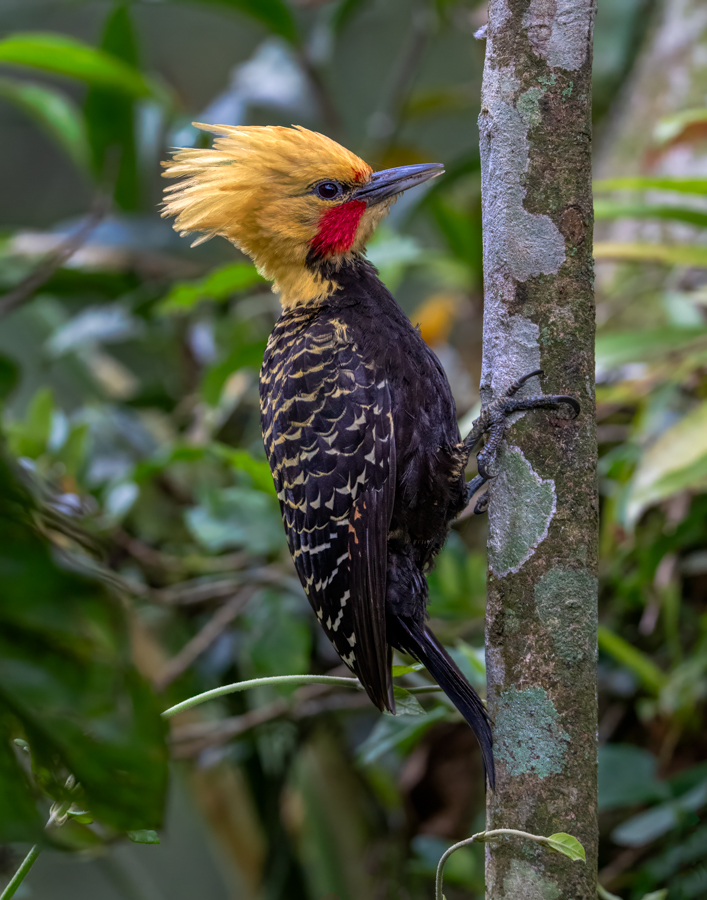
Blond-crested Woodpecker- 08144-Edit-2.jpg

The Blond-crested Woodpecker is 10-11 inches long and is native to South America, specifically Brazil, Bolivia, and Paraguay. Known for its powerful beak and drumming behavior, it primarily feeds on ants, termites, and wood-boring beetles, with occasional fruits and seeds.

Turquoise-fronted Parrot -09193.jpg

The Turquoise-fronted Parrot is native to parts of Brazil, Argentina, Paraguay, and Bolivia. These parrots thrive in various habitats, including tropical rainforests, woodlands, and savannas. They are highly social birds, often found in flocks.

Long-tailed Tyrant-06899-Edit-Edit.jpg

The Long-tailed Tyrant is found across Central and South America, from southern Mexico to Brazil. The Long-tailed Tyrant inhabits open woodlands and forest edges. Small at just 6–7 inches, this flycatcher perches quietly on exposed branches and darts out swiftly to snatch its prey midair before returning to its perch.
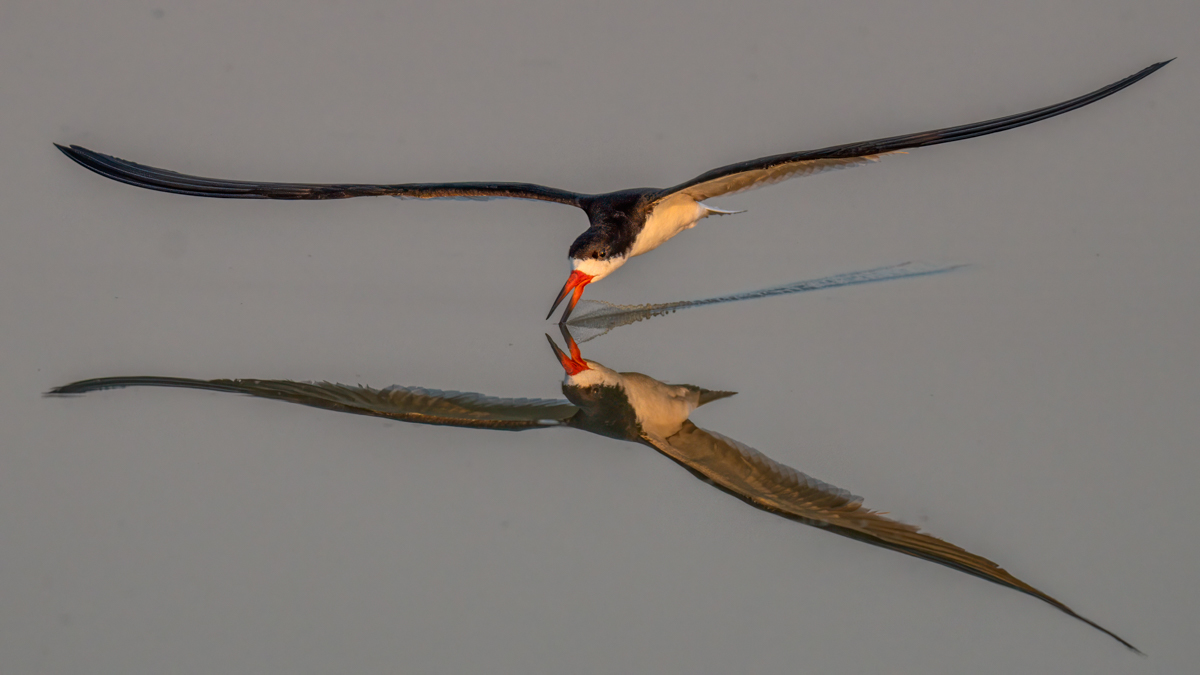
Black Skimmer-07745-Edit.jpg

The Black Skimmer is the Master of Aerial Fishing. He catches fish by gliding just above the water, with its long jaw slicing through the surface and snapping shut when it makes contact with a fish.
 

AlanLichty

Moderator
Great set as always. I love the expression on the Long-tailed Tyrant - the perfect angry bird look. Nice capture of the wood duck takeoff along with the amazing reflections with the Black Skimmer.
 

Trent Watts

Well-Known Member
Those are beauties Eric. I have never seen a Black Skimmer. They look like they would be tricky to photograph. Of course mastering 'tricky' is your stock in trade. Well done.

My offerings are a bit random with no real theme.

This land is along a canal that was built for irrigation. Most of the fields along the canal are huge monoculture crops with Canola, Wheat or some other grain. This area is a pasture with cattle and some sloughs with water. The insect, mammal and bird life was noticeably more abundant in this area. I chose to leave the surrounding fence and livestock in the picture to help define the habitat for this Willet.
TW210664-Edit.jpg


Such a common bird with a bad reputation. Still these Rock Pigeons can be quite beautiful.
_B223042-Edit.jpg


An American Pelican coming in for a landing.
_TW22048-Edit.jpg


This Bohemian Waxwing is just about to swallow a Mountain Ash berry.
_4030297-Edit.jpg
 
Last edited:

Trent Watts

Well-Known Member
It’s Winged Wednesday!
This week, I’m sharing a collection of fascinating bird photos. a few are not as colorful as some of my recent posts, but they’re as captivating and unique. These birds might be more understated in their hues, but their charm lies in their distinctive features and behaviors.

Thank you for commenting and contributing to Winged Wednesday!

View attachment 77630
Wood Duck's Splashy takeoff (okay, this drake is colorful)

View attachment 77627
The Blond-crested Woodpecker is 10-11 inches long and is native to South America, specifically Brazil, Bolivia, and Paraguay. Known for its powerful beak and drumming behavior, it primarily feeds on ants, termites, and wood-boring beetles, with occasional fruits and seeds.

View attachment 77629
The Turquoise-fronted Parrot is native to parts of Brazil, Argentina, Paraguay, and Bolivia. These parrots thrive in various habitats, including tropical rainforests, woodlands, and savannas. They are highly social birds, often found in flocks.

View attachment 77628
The Long-tailed Tyrant is found across Central and South America, from southern Mexico to Brazil. The Long-tailed Tyrant inhabits open woodlands and forest edges. Small at just 6–7 inches, this flycatcher perches quietly on exposed branches and darts out swiftly to snatch its prey midair before returning to its perch.

View attachment 77625
The Black Skimmer is the Master of Aerial Fishing. He catches fish by gliding just above the water, with its long jaw slicing through the surface and snapping shut when it makes contact with a fish.
Hey Eric... One more thing. What is the proper way to measure a birds size. You say the the Long-tailed Tyrant is 6-7 inches. Do you include the tail when you are giving a bird's size? This one would be twice the size depending on how you measure. Thanks for the answer as I just don't know.
 

Eric Gofreed

Well-Known Member
Hey Eric... One more thing. What is the proper way to measure a birds size. You say the the Long-tailed Tyrant is 6-7 inches. Do you include the tail when you are giving a bird's size? This one would be twice the size depending on how you measure. Thanks for the answer as I just don't know.
The proper way to measure a bird's length is from the tip of the bill to the end of the longest tail feather. This measurement, known as the total length, accounts for the full body of the bird, including its longest tail feathers.
There are exceptions for species with particularly long or elaborate tail feathers, such as peacocks, some measurements may only include the body length from the tip of the bill to the base of the tail.
 

Trent Watts

Well-Known Member
The proper way to measure a bird's length is from the tip of the bill to the end of the longest tail feather. This measurement, known as the total length, accounts for the full body of the bird, including its longest tail feathers.
There are exceptions for species with particularly long or elaborate tail feathers, such as peacocks, some measurements may only include the body length from the tip of the bill to the base of the tail.
Thanks for that Eric.
 
Top Bottom