

Eric Gofreed
Well-Known Member
It’s Winged Wednesday—where feathers, flutters, and flight steal the show! Whether they’re soaring, skimming, stalking, or just striking a pose… birds, bugs, bats, insects, or even airplanes—if it has wings, we want to see it. If it’s got wings, it belongs here.
My contriutions this week are Jays
Jays are members of the corvid family — cousins to crows and ravens — which means they come pre-installed with advanced software. They remember where they stash food. They solve problems. They recognize faces. And they absolutely do not believe in being subtle.
They are bold. Curious. Occasionally theatrical.
And beautiful — in a way that almost distracts you from the fact that they just stole something.
Whether it’s a desert Woodhouse's Scrub-Jay, a mountain Steller's Jay, or a backyard Blue Jay, you never wonder if a jay is present. They make sure of that.
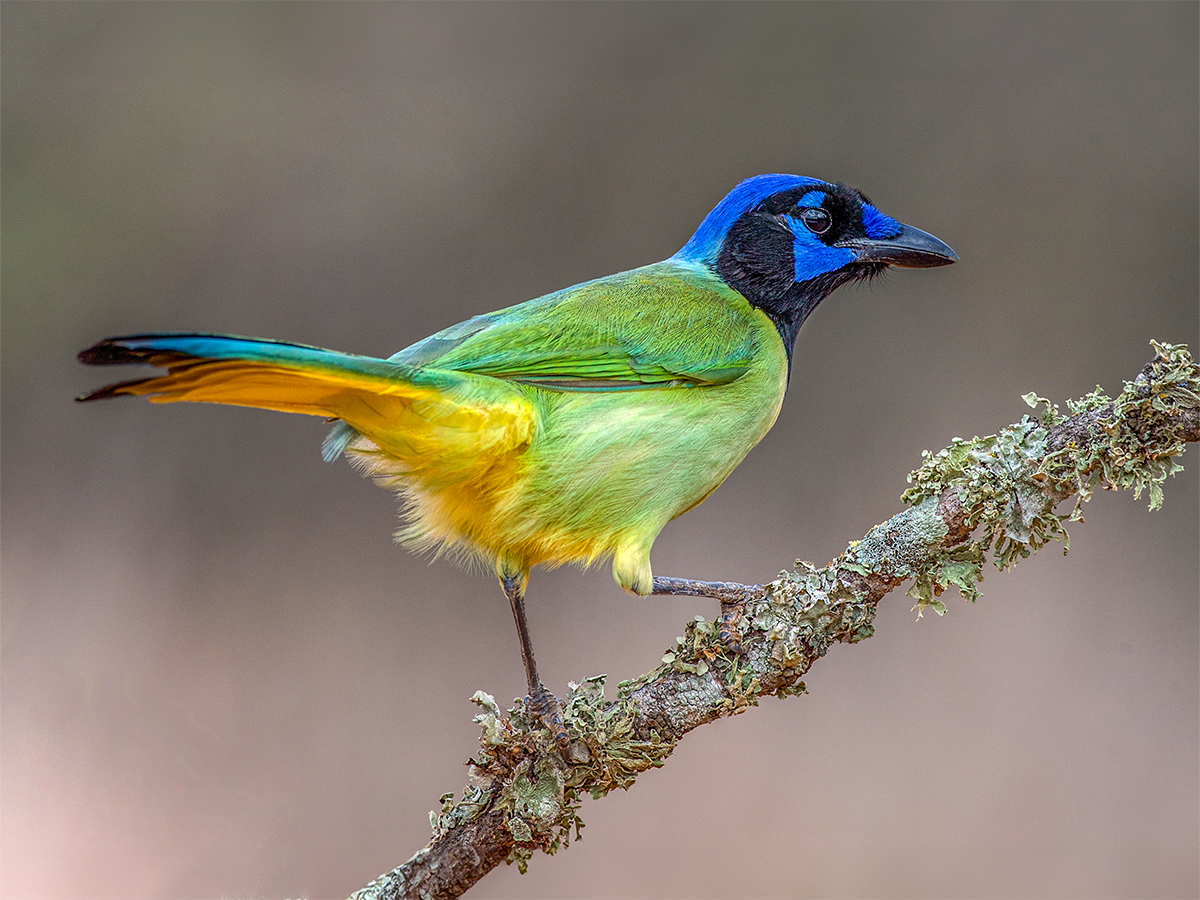
Green Jay (Texas)
“Green Jay” is one of those bird names that feels like the namer glanced at it for half a second, squinted, and said, “Yep. Green. Moving on."
I’m tempted to relabel it the Technicolor Jay—because “Green Blue Yellow Orange Black Jay” is accurate, but it won’t fit on most field guide pages.
Habitat: Thorn scrub, woodland edges, and feeders in south Texas and Central America.
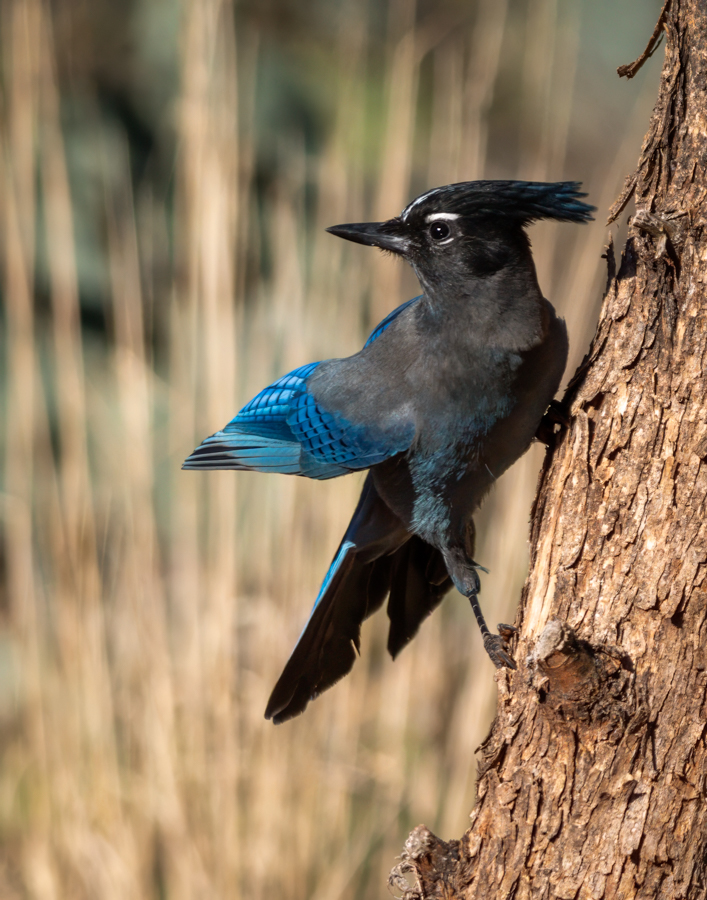
Steller's Jay (yard bird a month ago)
Rock-star crest, mountain voice, and a talent for dramatic entrances.
Habitat: Conifer forests and mountain woodlands from the Rockies westward.
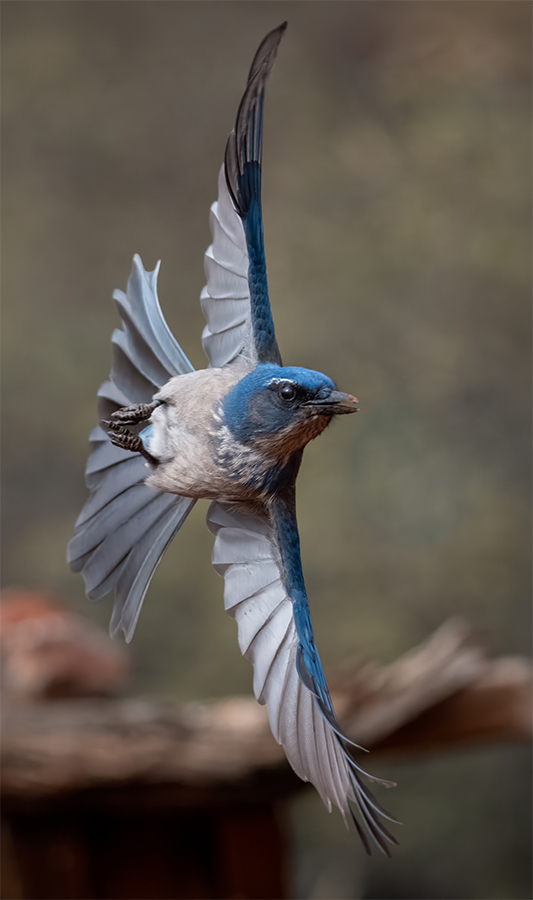
Woodhouse's Scrub-Jay (Yard bird)
Desert sharp, street smart, and fully aware of where you hide the peanuts.
Habitat: Desert scrub, pinyon-juniper woodlands, and suburban yards of the Southwest.
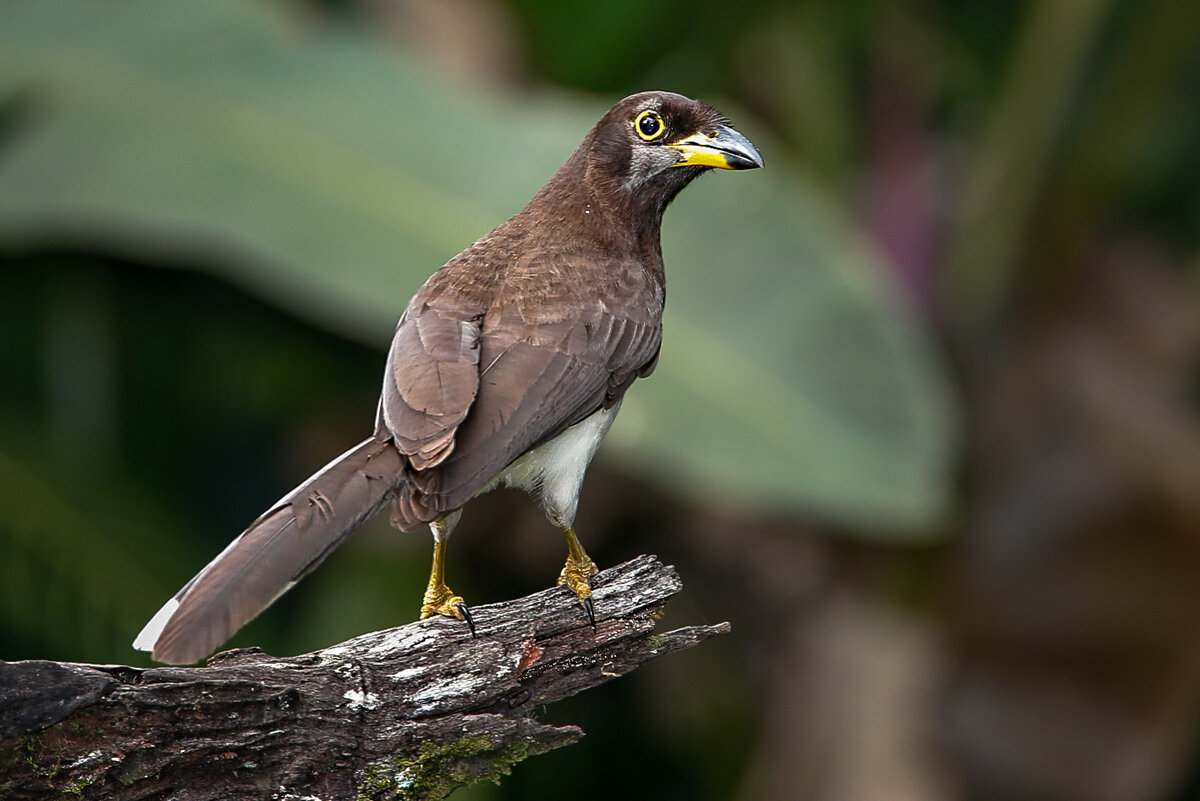
Brown Jay (Texas)
Less flashy, more bossy, earth tones.
Habitat: Tropical forests, woodland edges, and villages from south Texas into Central America.
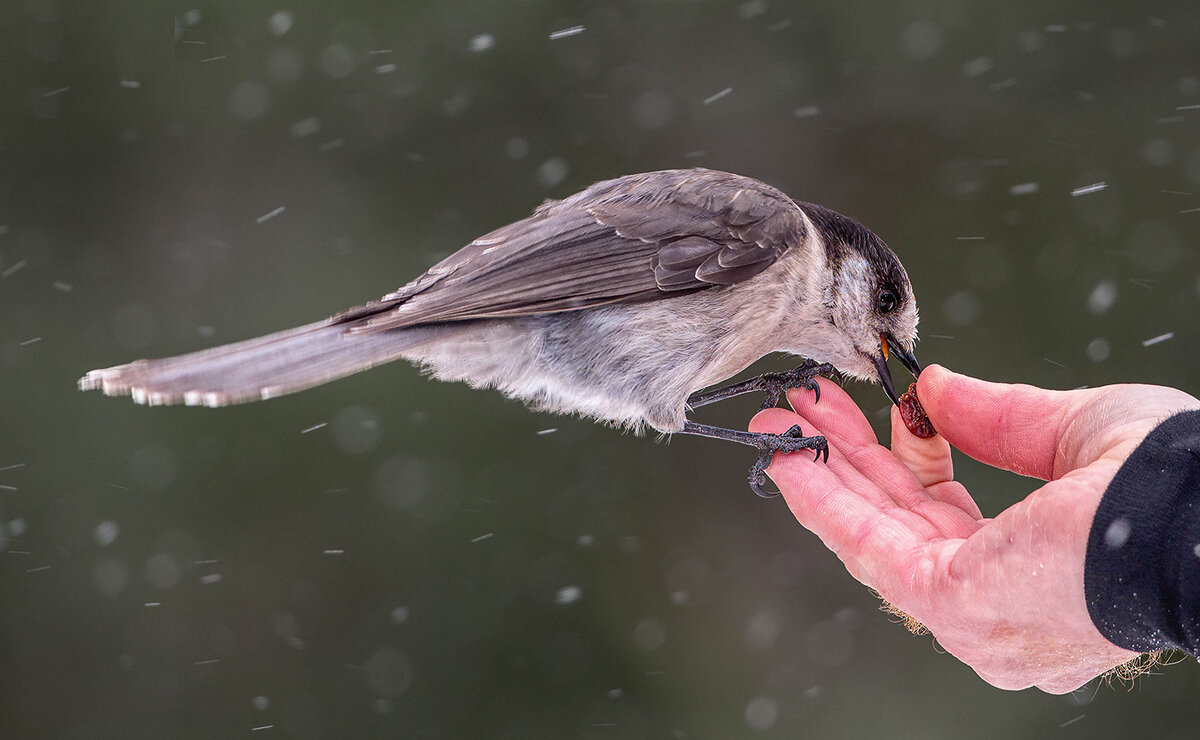
Canada Jay (Canada)
Soft gray, gentle expression… and absolutely no fear of people. A lifelong commitment to eating out of your hand — so always travel with trail mix.
Habitat: Boreal forests and high-elevation conifer zones across northern North America.
My contriutions this week are Jays
Jays are members of the corvid family — cousins to crows and ravens — which means they come pre-installed with advanced software. They remember where they stash food. They solve problems. They recognize faces. And they absolutely do not believe in being subtle.
They are bold. Curious. Occasionally theatrical.
And beautiful — in a way that almost distracts you from the fact that they just stole something.
Whether it’s a desert Woodhouse's Scrub-Jay, a mountain Steller's Jay, or a backyard Blue Jay, you never wonder if a jay is present. They make sure of that.
Green Jay (Texas)
“Green Jay” is one of those bird names that feels like the namer glanced at it for half a second, squinted, and said, “Yep. Green. Moving on."
I’m tempted to relabel it the Technicolor Jay—because “Green Blue Yellow Orange Black Jay” is accurate, but it won’t fit on most field guide pages.
Habitat: Thorn scrub, woodland edges, and feeders in south Texas and Central America.
Steller's Jay (yard bird a month ago)
Rock-star crest, mountain voice, and a talent for dramatic entrances.
Habitat: Conifer forests and mountain woodlands from the Rockies westward.
Woodhouse's Scrub-Jay (Yard bird)
Desert sharp, street smart, and fully aware of where you hide the peanuts.
Habitat: Desert scrub, pinyon-juniper woodlands, and suburban yards of the Southwest.
Brown Jay (Texas)
Less flashy, more bossy, earth tones.
Habitat: Tropical forests, woodland edges, and villages from south Texas into Central America.
Canada Jay (Canada)
Soft gray, gentle expression… and absolutely no fear of people. A lifelong commitment to eating out of your hand — so always travel with trail mix.
Habitat: Boreal forests and high-elevation conifer zones across northern North America.


