

Eric Gofreed
Well-Known Member
Winged Wednesday Part 2 highlights birds with crests, from backyard favorites to exotic species—but all winged creatures are welcome! A crest is a set of head feathers that can be raised or lowered, serving various purposes like communication, display, camouflage, or intimidation. Some, like those of Hooded Mergansers and Cockatoos, express emotions, while others help with disquise. Whether functional or decorative, crests add to a bird’s unique charm.
Next week's Winged Wednesday is a chance to share your latest photos of winged creatures.
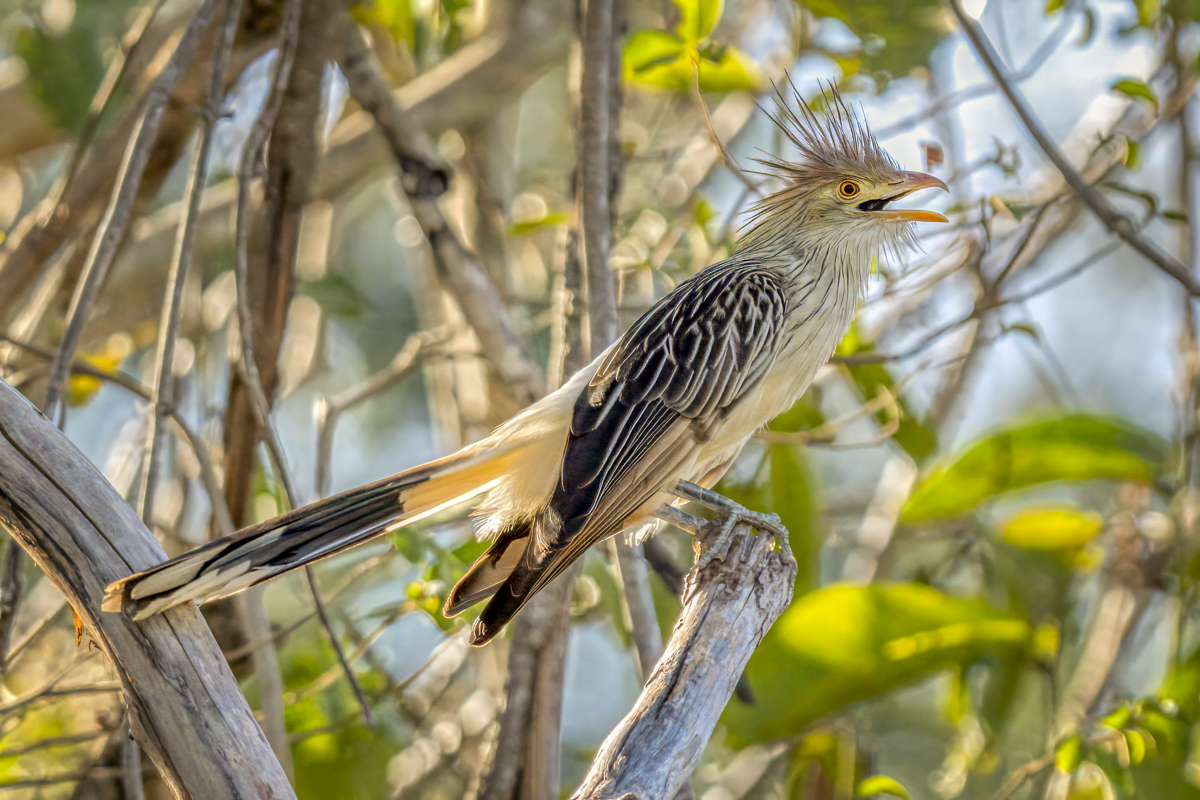
The Guira Cuckoo’s crest is vital in social communication, rising and lowering to express mood and interactions. Unlike birds that use their crests for camouflage or intimidation, this cuckoo’s crest strengthens social bonds and reinforces group cohesion.
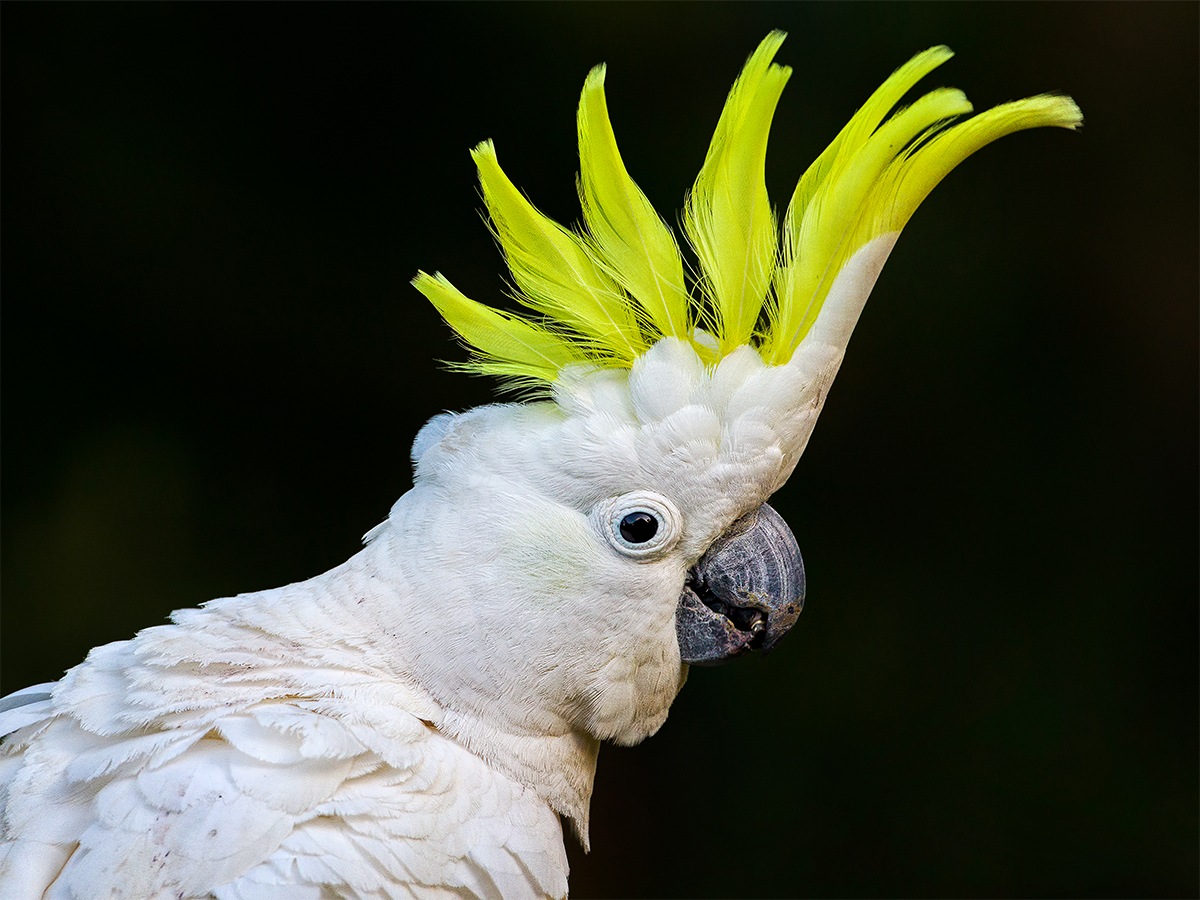
The Sulphur-crested Cockatoo’s vibrant crest is a key tool for communication, rising when the bird is excited, alarmed, or asserting dominance and lowering when calm. This expressive display helps convey emotions, warn of danger, and strengthen social bonds within flocks.
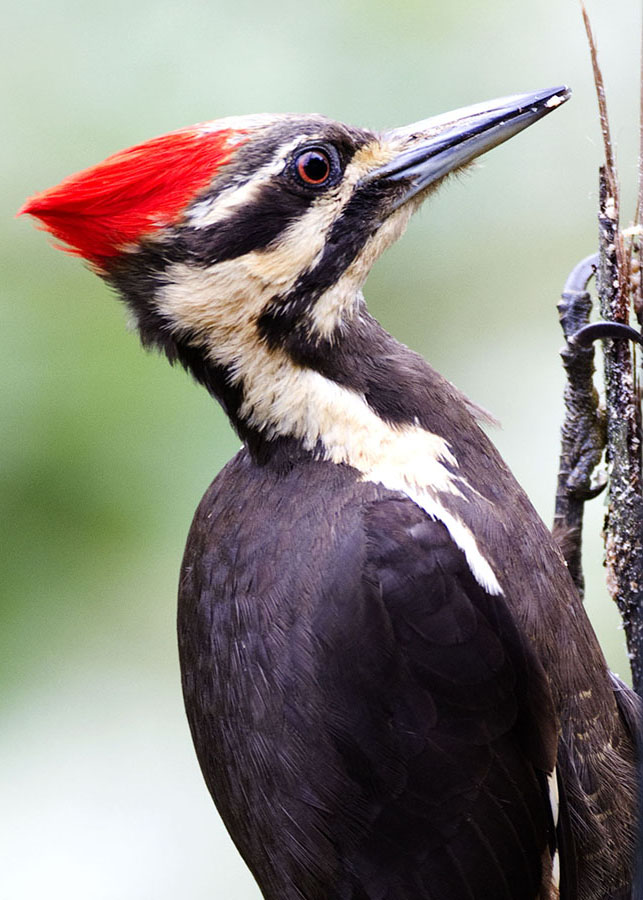
The Pileated Woodpecker’s crest helps with disguise by breaking up the outline of its head, making it blend more seamlessly into its surroundings. When the bird is perched against tree bark, the raised crest can create an irregular shape that disrupts its silhouette, making it less recognizable to predators.

The Buffy Helmetcrest is a hummingbird endemic to Colombia, South America. It uses its bold crest for display and communication, with males raising it during courtship or territorial disputes to appear more imposing. Found in the rugged Andes, this species thrives in high-altitude grasslands and shrublands above 9,800 feet, feeding on nectar from native flowers.
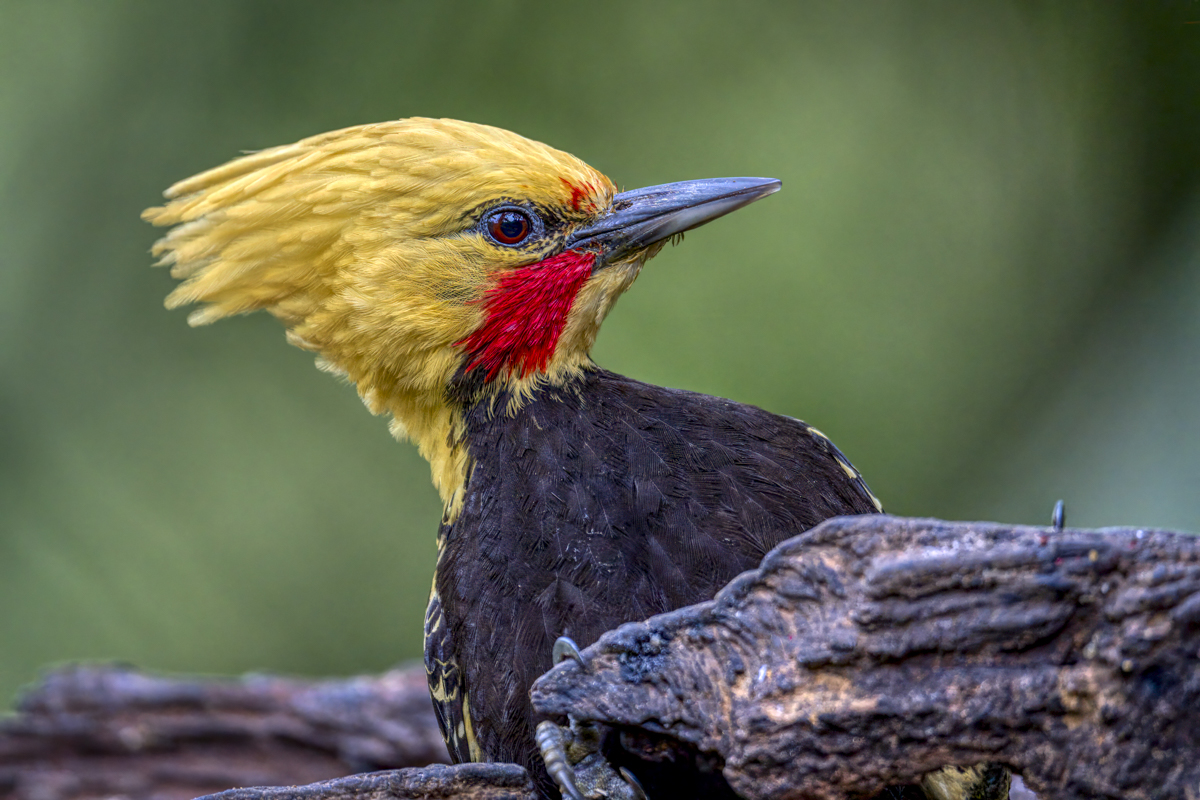
The Blond-crested Woodpecker stands out with its striking crest, which it raises to signal alertness, excitement, or dominance. Found in forests and woodlands of South America, from Brazil to Paraguay and Argentina, this charismatic bird uses its powerful beak to forage for insects hidden in tree bark.
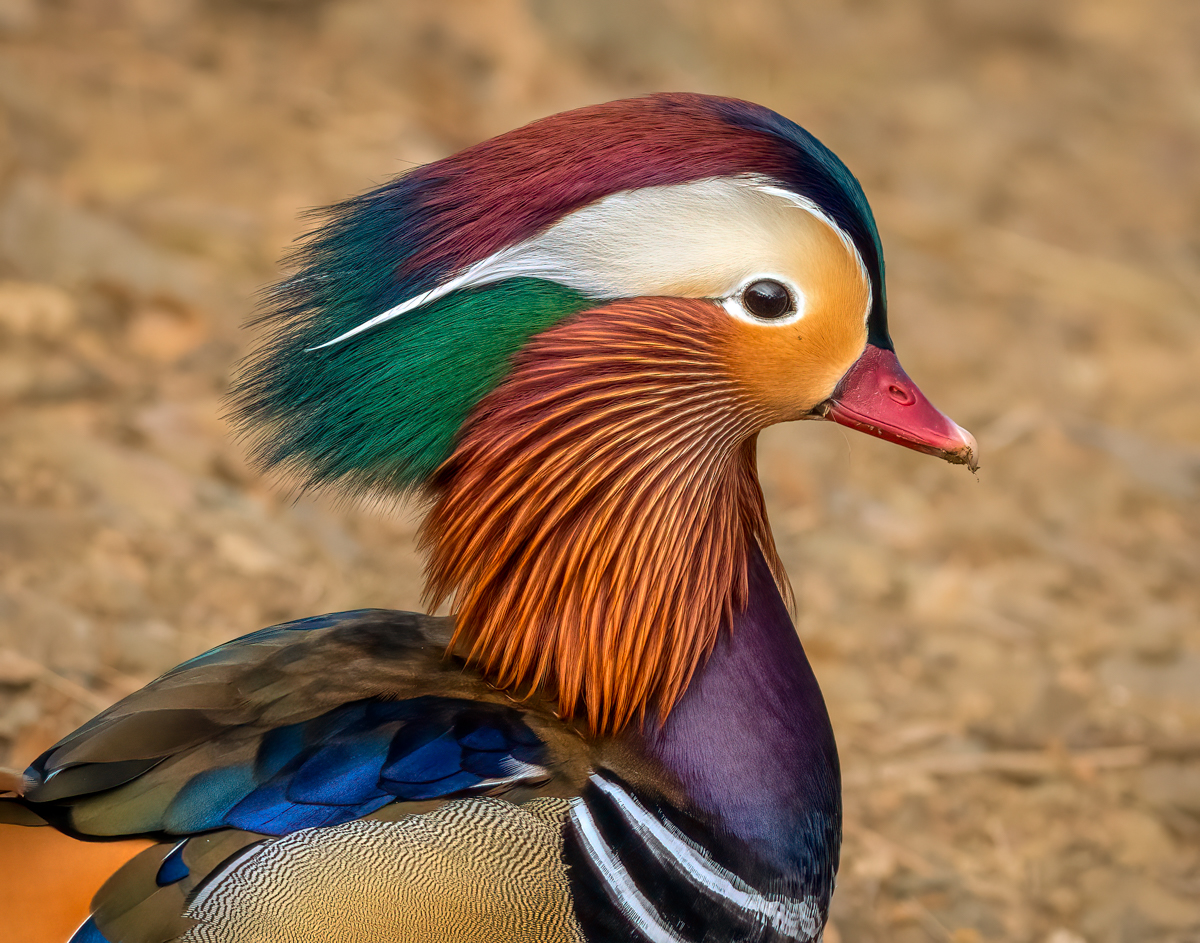
The Mandarin Duck has head plumes rather than true crests. These plumes are long, flowing feathers that extend from the head but cannot be raised or lowered like a functional crest. The Mandarin Duck’s ornate cheek feathers contribute to its elaborate plumage. Unlike true crests, which birds can control for display or signaling, plumes remain fixed and serve primarily an ornamental role.
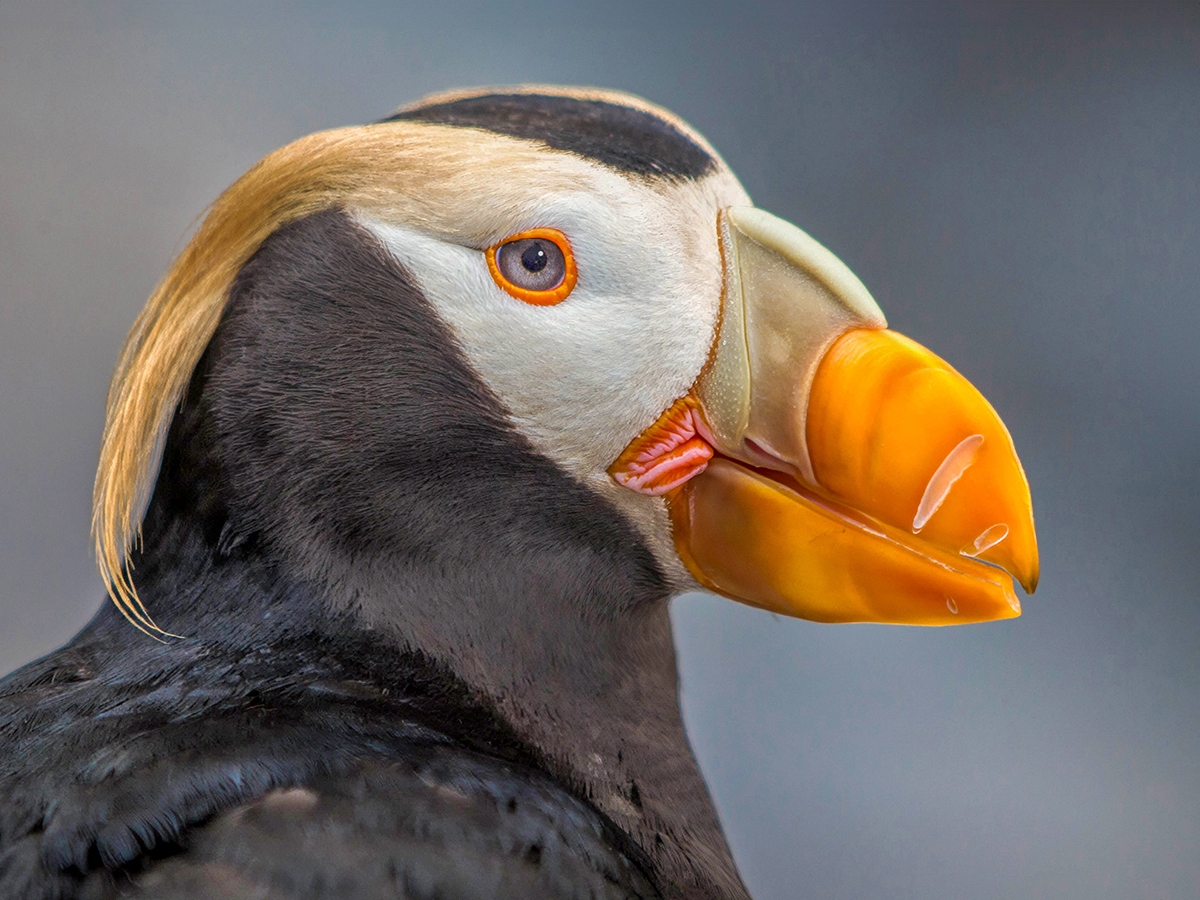
Like the Mandarin Duck, the Tufted Puffin has head plumes rather than true crests. These long, flowing feathers extend from the head but cannot be raised or lowered like a functional crest. During the breeding season, the Tufted Puffin’s golden plumes enhance its striking appearance.
Next week's Winged Wednesday is a chance to share your latest photos of winged creatures.
The Guira Cuckoo’s crest is vital in social communication, rising and lowering to express mood and interactions. Unlike birds that use their crests for camouflage or intimidation, this cuckoo’s crest strengthens social bonds and reinforces group cohesion.
The Sulphur-crested Cockatoo’s vibrant crest is a key tool for communication, rising when the bird is excited, alarmed, or asserting dominance and lowering when calm. This expressive display helps convey emotions, warn of danger, and strengthen social bonds within flocks.
The Pileated Woodpecker’s crest helps with disguise by breaking up the outline of its head, making it blend more seamlessly into its surroundings. When the bird is perched against tree bark, the raised crest can create an irregular shape that disrupts its silhouette, making it less recognizable to predators.
The Buffy Helmetcrest is a hummingbird endemic to Colombia, South America. It uses its bold crest for display and communication, with males raising it during courtship or territorial disputes to appear more imposing. Found in the rugged Andes, this species thrives in high-altitude grasslands and shrublands above 9,800 feet, feeding on nectar from native flowers.
The Blond-crested Woodpecker stands out with its striking crest, which it raises to signal alertness, excitement, or dominance. Found in forests and woodlands of South America, from Brazil to Paraguay and Argentina, this charismatic bird uses its powerful beak to forage for insects hidden in tree bark.
The Mandarin Duck has head plumes rather than true crests. These plumes are long, flowing feathers that extend from the head but cannot be raised or lowered like a functional crest. The Mandarin Duck’s ornate cheek feathers contribute to its elaborate plumage. Unlike true crests, which birds can control for display or signaling, plumes remain fixed and serve primarily an ornamental role.
Like the Mandarin Duck, the Tufted Puffin has head plumes rather than true crests. These long, flowing feathers extend from the head but cannot be raised or lowered like a functional crest. During the breeding season, the Tufted Puffin’s golden plumes enhance its striking appearance.


