Winged Wednesday 9.11.2024

Eric Gofreed

Well-Known Member
I'm back from an incredible 3-week wildlife photography adventure in Brazil! While I’m just starting to sort through all the photos, for this week’s Wing Wednesday, I’ll be sharing five bird shots from my journey. I’d love to see what you’ve captured too—feel free to post any winged wonders you’ve photographed! Thanks for joining in!
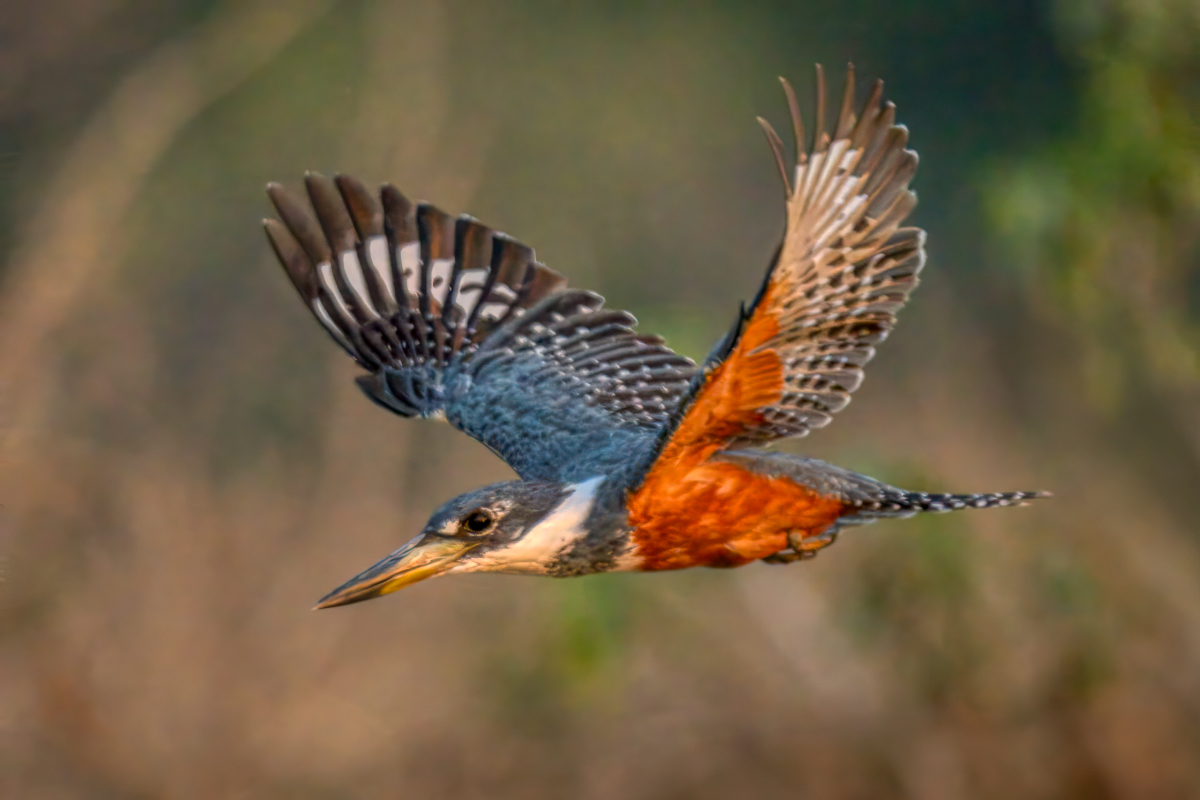
Ringed kingfisher-08288-Edit.jpg

The Ringed Kingfisher is the largest kingfisher species in the Americas. It is found near freshwater environments like rivers, lakes, and lagoons, where it hunts by diving headfirst to catch fish. In addition to fish, its diet may include crustaceans and amphibians. Its range stretches from southern Texas and Mexico through Central America, down to Argentina and Chile.
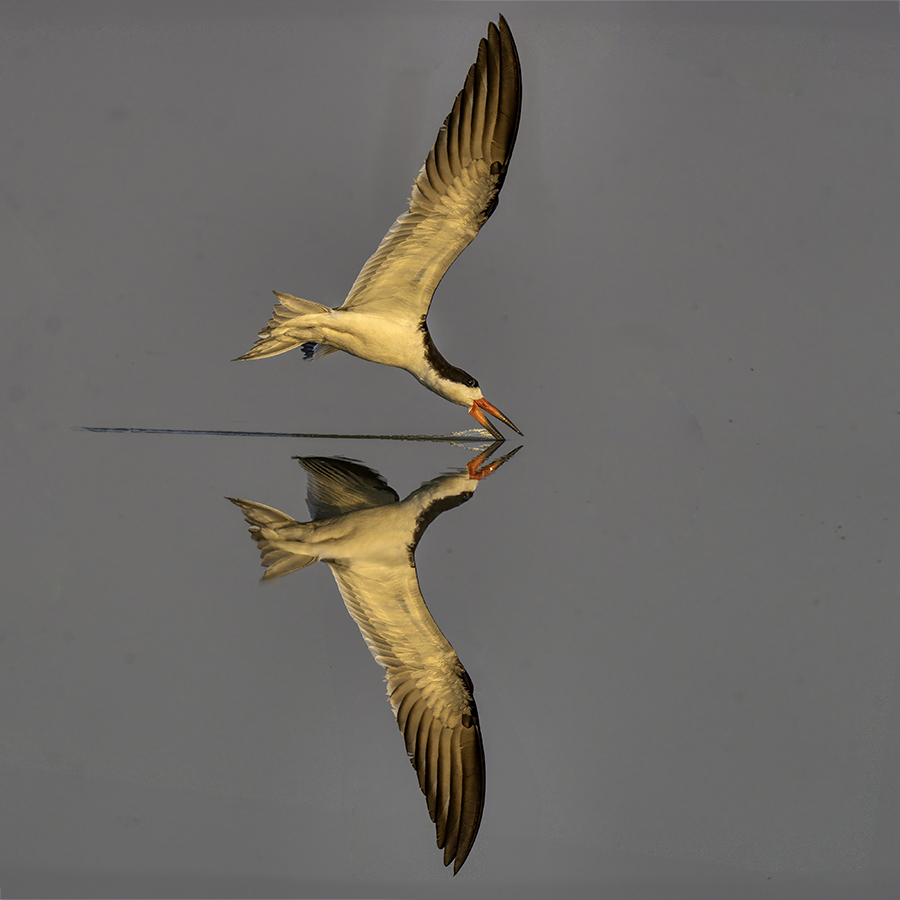
Black Skimmer-07624.jpg

Black skimmers fly low over the water with their mandible slicing the surface, feeling for fish or other small prey. When the mandible makes contact, it snaps shut, catching its prey. This specialized hunting method allows skimmers to forage in shallow waters and distinguishes them from other birds that rely on sight for fishing.
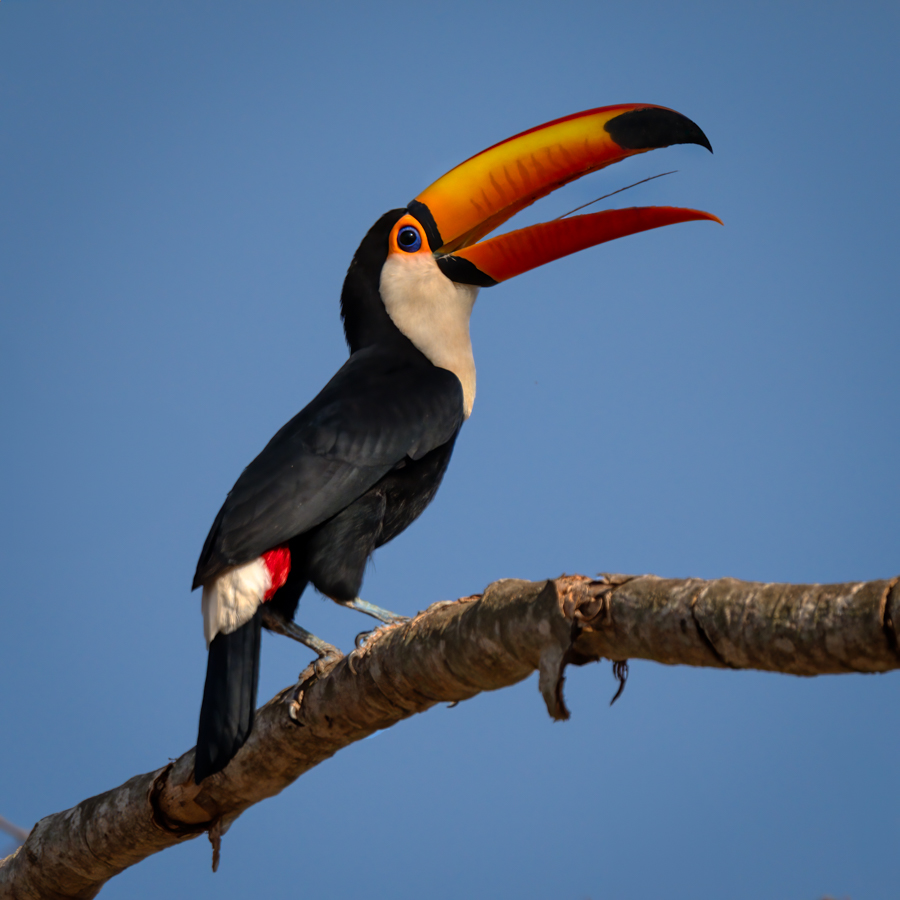
Toco Toucan-04761-Edit.jpg

The Toco Toucan is the largest of all toucans, reaching up to 22 inches long. Its impressive 7.5-inch bill may look heavy, but it's lightweight because it’s made of keratin, the same material found in human hair and nails. The bill helps the toucan regulate body temperature and forage for food.
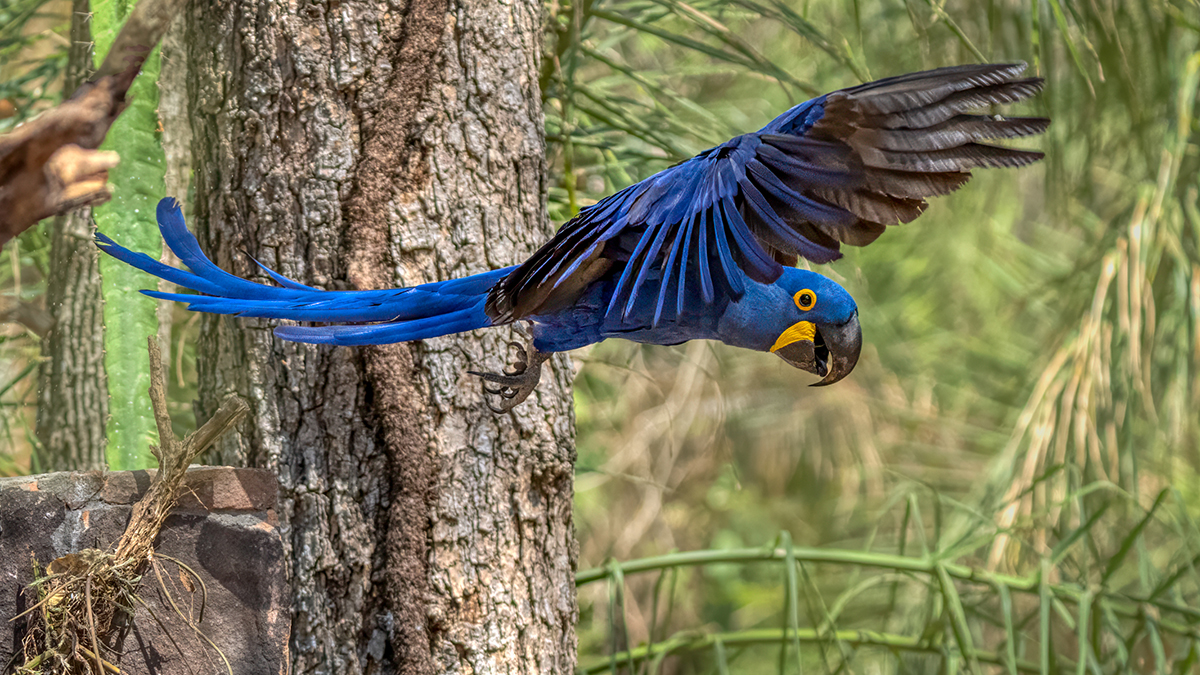
hyacants macaw-07854-Edit.jpg

The hyacinth macaw is the largest parrot, measuring up to 40 inches, and lives in Brazil’s forests. Endangered by habitat loss, it feeds mainly on nuts and seeds.
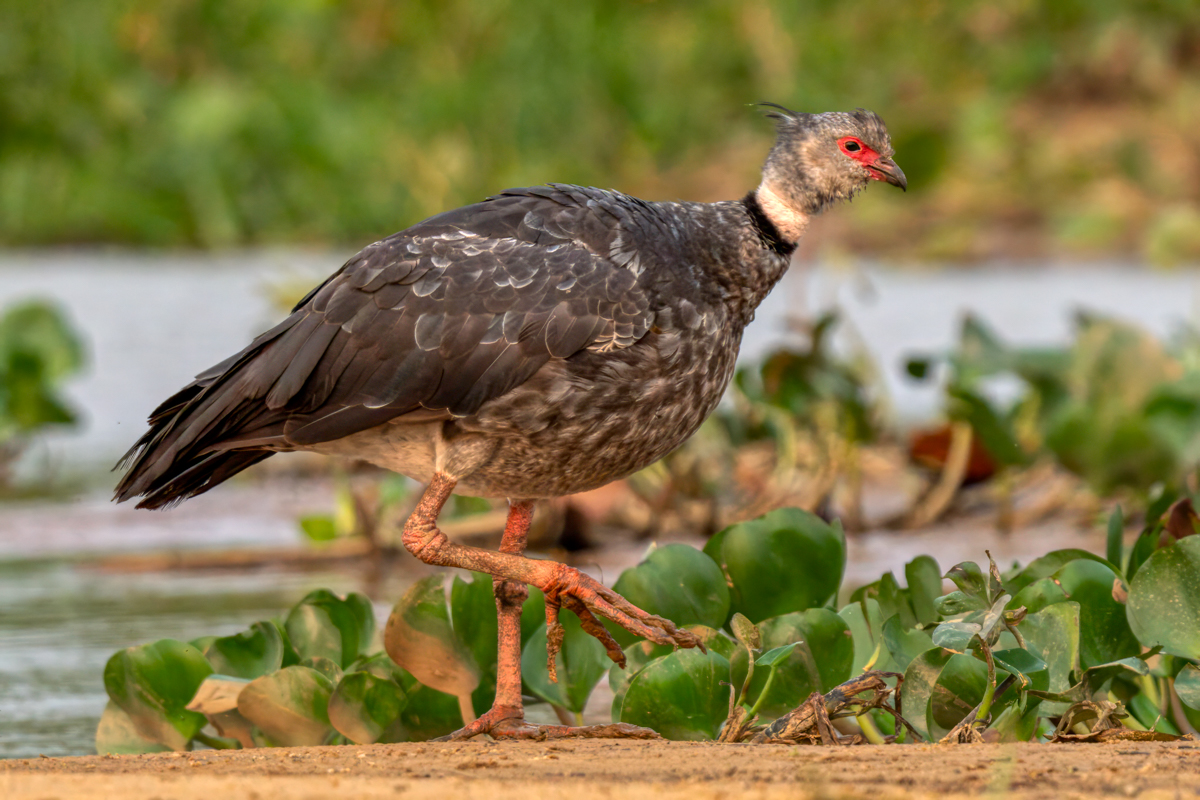
Southern screamer-03713-Edit.jpg

The Southern Screamer is a large bird native to South American wetlands and grasslands and is known for its loud call. Southern screamers are herbivores, feeding on aquatic vegetation, leaves, and seeds. These social birds are often seen in pairs or groups, with their loud calls carrying over long distances. Despite their size, they are strong fliers with large wingspans.
 

AlanLichty

Moderator
I'm back from an incredible 3-week wildlife photography adventure in Brazil! While I’m just starting to sort through all the photos, for this week’s Wing Wednesday, I’ll be sharing five bird shots from my journey. I’d love to see what you’ve captured too—feel free to post any winged wonders you’ve photographed! Thanks for joining in!

View attachment 75812
The Ringed Kingfisher is the largest kingfisher species in the Americas. It is found near freshwater environments like rivers, lakes, and lagoons, where it hunts by diving headfirst to catch fish. In addition to fish, its diet may include crustaceans and amphibians. Its range stretches from southern Texas and Mexico through Central America, down to Argentina and Chile.

View attachment 75814
Black skimmers fly low over the water with their mandible slicing the surface, feeling for fish or other small prey. When the mandible makes contact, it snaps shut, catching its prey. This specialized hunting method allows skimmers to forage in shallow waters and distinguishes them from other birds that rely on sight for fishing.

View attachment 75816
The Toco Toucan is the largest of all toucans, reaching up to 22 inches long. Its impressive 7.5-inch bill may look heavy, but it's lightweight because it’s made of keratin, the same material found in human hair and nails. The bill helps the toucan regulate body temperature and forage for food.

View attachment 75817
The hyacinth macaw is the largest parrot, measuring up to 40 inches, and lives in Brazil’s forests. Endangered by habitat loss, it feeds mainly on nuts and seeds.

View attachment 75811
The Southern Screamer is a large bird native to South American wetlands and grasslands and is known for its loud call. Southern screamers are herbivores, feeding on aquatic vegetation, leaves, and seeds. These social birds are often seen in pairs or groups, with their loud calls carrying over long distances. Despite their size, they are strong fliers with large wingspans.
Neat collection from your trip. Delightful looking shots of all of them. I have seen the last one (Southern Screamer) before at the Sequoia Park Zoo in Arcata California. I never knew what it was until just now.
 

Trent Watts

Well-Known Member
Oh my Eric. What an incredible trip that looks like. I'm anxiously waiting for more glorious shots from your trip. That Toucan is really remarkable.
 
Last edited:

Trent Watts

Well-Known Member
I have a few new additions from this week. All insects shot in my neighbourhood in the last couple of days.

Not a great picture of the tobacco plant but gives the overall view. My son grows this for ceremonial purposes when working with and teaching indigenous students.
IMG_6155.jpg

These are some insects that are frequenting the tobacco plants.
Blow fly.
T1012760-Edit.jpg


We always aim to get the eyes in sharp focus but this fly would not cooperate and turn around so it gets the indignant butt shot.
T1012726-Edit.jpg


I think maybe a Tarnished Plant Bug.
I noticed that many seeds from wind blown plants stick to the leaves of the tobacco plant and the leaves are quite soft. I need to investigate this more when I look at the fine hairs covering the leaf in this image of the plant bug.
T1012741-Edit.jpg


This Green Lacewing was on the apple tree.
T1012773-Edit.jpg

T1012771-Edit.jpg


A Damselfly in my garden.
T1012821-Edit.jpg
 

murali

Elite Member
I'm back from an incredible 3-week wildlife photography adventure in Brazil! While I’m just starting to sort through all the photos, for this week’s Wing Wednesday, I’ll be sharing five bird shots from my journey. I’d love to see what you’ve captured too—feel free to post any winged wonders you’ve photographed! Thanks for joining in!

View attachment 75812
The Ringed Kingfisher is the largest kingfisher species in the Americas. It is found near freshwater environments like rivers, lakes, and lagoons, where it hunts by diving headfirst to catch fish. In addition to fish, its diet may include crustaceans and amphibians. Its range stretches from southern Texas and Mexico through Central America, down to Argentina and Chile.

View attachment 75814
Black skimmers fly low over the water with their mandible slicing the surface, feeling for fish or other small prey. When the mandible makes contact, it snaps shut, catching its prey. This specialized hunting method allows skimmers to forage in shallow waters and distinguishes them from other birds that rely on sight for fishing.

View attachment 75816
The Toco Toucan is the largest of all toucans, reaching up to 22 inches long. Its impressive 7.5-inch bill may look heavy, but it's lightweight because it’s made of keratin, the same material found in human hair and nails. The bill helps the toucan regulate body temperature and forage for food.

View attachment 75817
The hyacinth macaw is the largest parrot, measuring up to 40 inches, and lives in Brazil’s forests. Endangered by habitat loss, it feeds mainly on nuts and seeds.

View attachment 75811
The Southern Screamer is a large bird native to South American wetlands and grasslands and is known for its loud call. Southern screamers are herbivores, feeding on aquatic vegetation, leaves, and seeds. These social birds are often seen in pairs or groups, with their loud calls carrying over long distances. Despite their size, they are strong fliers with large wingspans.
Brilliant images. I'm jealous!!!
 

murali

Elite Member
I have a few new additions from this week. All insects shot in my neighbourhood in the last couple of days.

Not a great picture of the tobacco plant but gives the overall view. My son grows this for ceremonial purposes when working with and teaching indigenous students.
View attachment 75826
These are some insects that are frequenting the tobacco plants.
Blow fly.
View attachment 75822

We always aim to get the eyes in sharp focus but this fly would not cooperate and turn around so it gets the indignant butt shot.
View attachment 75820

I think maybe a Tarnished Plant Bug.
I noticed that many seeds from wind blown plants stick to the leaves of the tobacco plant and the leaves are quite soft. I need to investigate this more when I look at the fine hairs covering the leaf in this image of the plant bug.
View attachment 75821

This Green Lacewing was on the apple tree.
View attachment 75824
View attachment 75823

A Damselfly in my garden.
View attachment 75825
Terrific. Did you focus stack for the amazing depth of field?
 

AlanLichty

Moderator
Eric's shot of the Southern Screamer got my curiosity up to reprocess my old shot of one of these at a zoo in California. Modern software to the rescue. I was shooting through a cage and focus was less than ideal in the original.

C20D_SouthernScreamer100207.jpg


I was originally going to go with bees on some echinops blooms:

CR5m2_BeesEchinops082324.jpg
 
I have a few new additions from this week. All insects shot in my neighbourhood in the last couple of days.

Not a great picture of the tobacco plant but gives the overall view. My son grows this for ceremonial purposes when working with and teaching indigenous students.
View attachment 75826
These are some insects that are frequenting the tobacco plants.
Blow fly.
View attachment 75822

We always aim to get the eyes in sharp focus but this fly would not cooperate and turn around so it gets the indignant butt shot.
View attachment 75820

I think maybe a Tarnished Plant Bug.
I noticed that many seeds from wind blown plants stick to the leaves of the tobacco plant and the leaves are quite soft. I need to investigate this more when I look at the fine hairs covering the leaf in this image of the plant bug.
View attachment 75821

This Green Lacewing was on the apple tree.
View attachment 75824
View attachment 75823

A Damselfly in my garden.
View attachment 75825
What an incredible display of insects, Trent.
 
Top Bottom