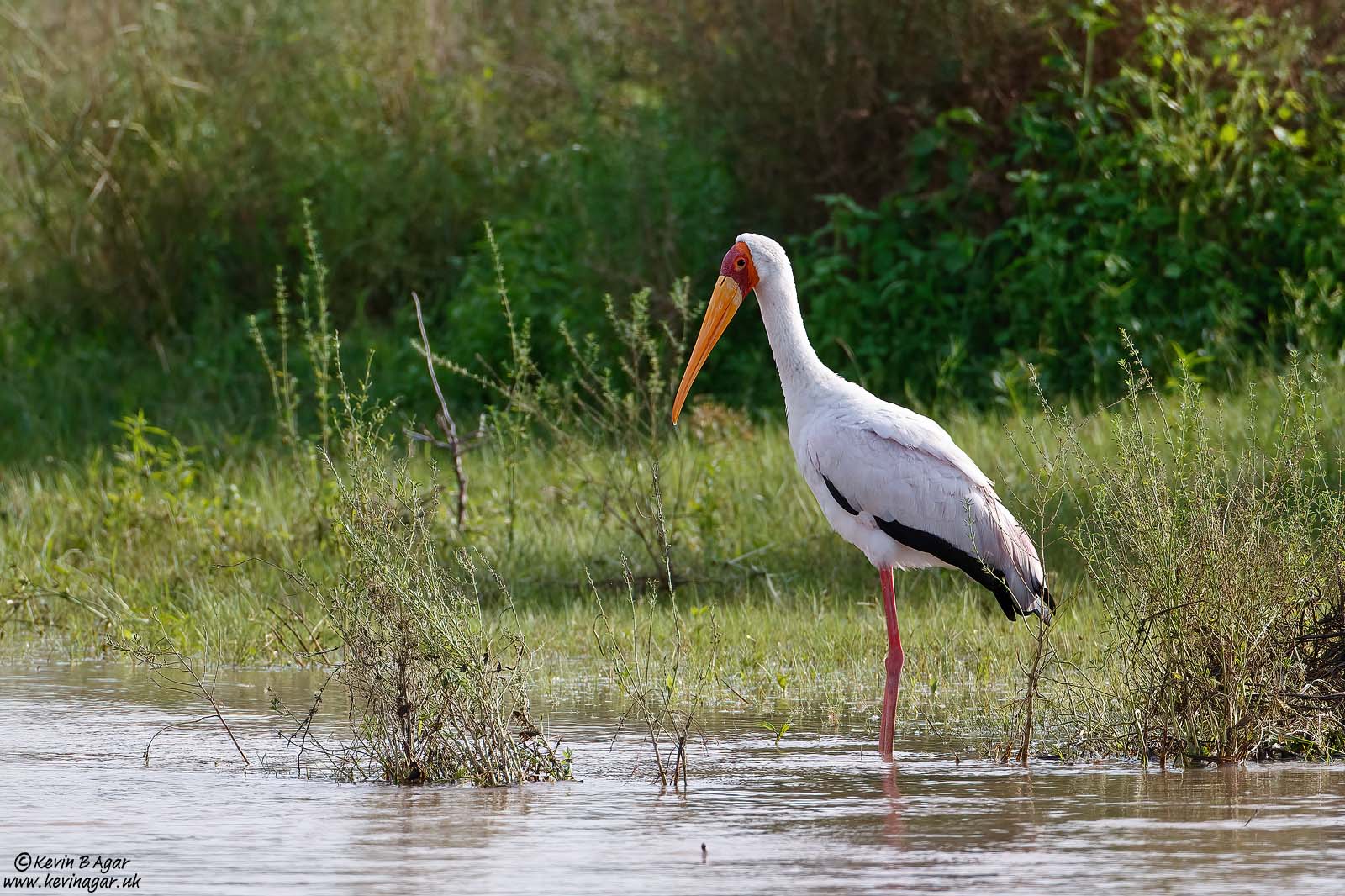
Yellow-billed Stork, Mycteria ibis - Tanzania

KevinA

Well-Known Member
Wikipedia
"The yellow-billed stork (Mycteria ibis), sometimes also called the wood stork or wood ibis, is a large African wading stork species in the family Ciconiidae. It is widespread in regions south of the Sahara and also occurs in Madagascar."

Yellow-billed Stork, Mycteria ibis
7D2_1594.jpg


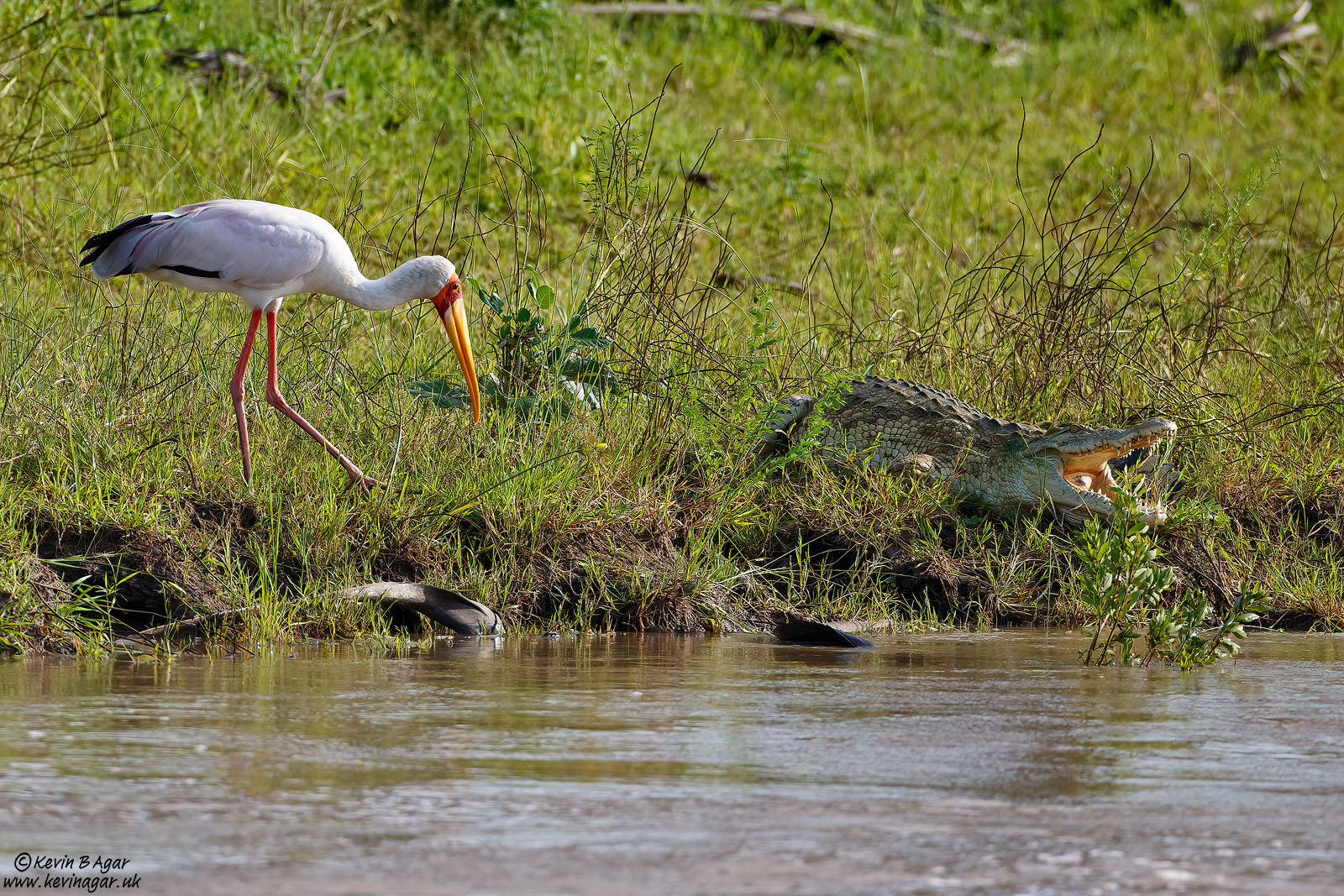
Yellow-billed Stork, Mycteria ibis, living dangerously
7D2_1574.jpg
 

Trent Watts

Well-Known Member
The impending drama in the second picture is mesmerizing. Thanks for sharing all these amazing pictures Kevin. I'm really enjoying see birds from all over that I will never get to see.
 

AlanLichty

Moderator
That is a seriously large bird. Great shots of it and especially #2. That does seem to be living dangerously in my book but maybe the stork knows more than I do :)
 

DES

Well-Known Member
Alan....your comment caused me to Google "storks and alligators" and I found this interesting University of Florida report:

"We have known for some time that ibises, storks, spoonbills and herons seem to always have alligators underneath their nests. Alligators are serving as nest protectors – keeping raccoons out of the colony, which are otherwise devastating nest predators,” said Peter Frederick, a professor in the department of wildlife ecology and conservation.
 
Alan....your comment caused me to Google "storks and alligators" and I found this interesting University of Florida report:

"We have known for some time that ibises, storks, spoonbills and herons seem to always have alligators underneath their nests. Alligators are serving as nest protectors – keeping raccoons out of the colony, which are otherwise devastating nest predators,” said Peter Frederick, a professor in the department of wildlife ecology and conservation.
I may be wrong, but I don't think the alligators are serving these birds out of concern for their safety. I think they know that predators will come to try and snatch the chicks and thus provide a meal for themselves. What do you think, @Alan Lichty?
 

JimFox

Moderator
Staff member
Wow Kevin!!! Your photos are always world class, but #2 takes that to Universe Class! What an image!
 

DES

Well-Known Member
I may be wrong, but I don't think the alligators are serving these birds out of concern for their safety. I think they know that predators will come to try and snatch the chicks and thus provide a meal for themselves. What do you think, @Alan Lichty?
I'd hate to give alligators a bad reputation, but I suspect you're right! ;)
 

KevinA

Well-Known Member
Saw first pic and said to myself, "beautiful shot". Saw second pic and said to myself "Oh Dang". Great shots!
Thanks for looking and commenting Darcy, it's greatly appreciated

The impending drama in the second picture is mesmerizing. Thanks for sharing all these amazing pictures Kevin. I'm really enjoying see birds from all over that I will never get to see.
Thanks for looking and commenting Trent, it's greatly appreciated

That is a seriously large bird. Great shots of it and especially #2. That does seem to be living dangerously in my book but maybe the stork knows more than I do :)
Thanks for looking and commenting Alan, it's greatly appreciated

Alan....your comment caused me to Google "storks and alligators" and I found this interesting University of Florida report:

"We have known for some time that ibises, storks, spoonbills and herons seem to always have alligators underneath their nests. Alligators are serving as nest protectors – keeping raccoons out of the colony, which are otherwise devastating nest predators,” said Peter Frederick, a professor in the department of wildlife ecology and conservation.
Thanks for looking and commenting Des, interesting information, but these are crocodiles and not alligators.

I may be wrong, but I don't think the alligators are serving these birds out of concern for their safety. I think they know that predators will come to try and snatch the chicks and thus provide a meal for themselves. What do you think, @Alan Lichty?
Thanks for looking and commenting Douglas, it's greatly appreciated. As stated above, these are crocodiles and not alligators

Wow Kevin!!! Your photos are always world class, but #2 takes that to Universe Class! What an image!
Thanks for looking and commenting Jim, it's greatly appreciated

I'd hate to give alligators a bad reputation, but I suspect you're right! ;)
Thanks for looking and commenting Des, it's greatly appreciated. As stated above, these are crocodiles and not alligators
Great images, esp. the second one.
Thanks for looking and commenting Jameel, it's greatly appreciated
 
Top Bottom