Winged Wednesday 3/12/2025

Eric Gofreed

Well-Known Member
This week's Winged Wednesday is all about your favorite winged creatures! There’s no set theme—birds, butterflies, insects, or anything else that soars or flutters are welcome, whether captured recently or in the past. I am sharing five bird photos from this past week and can’t wait to see what you contribute. Next week will be another open theme!
Bewick's wren 05067-Edit.jpg

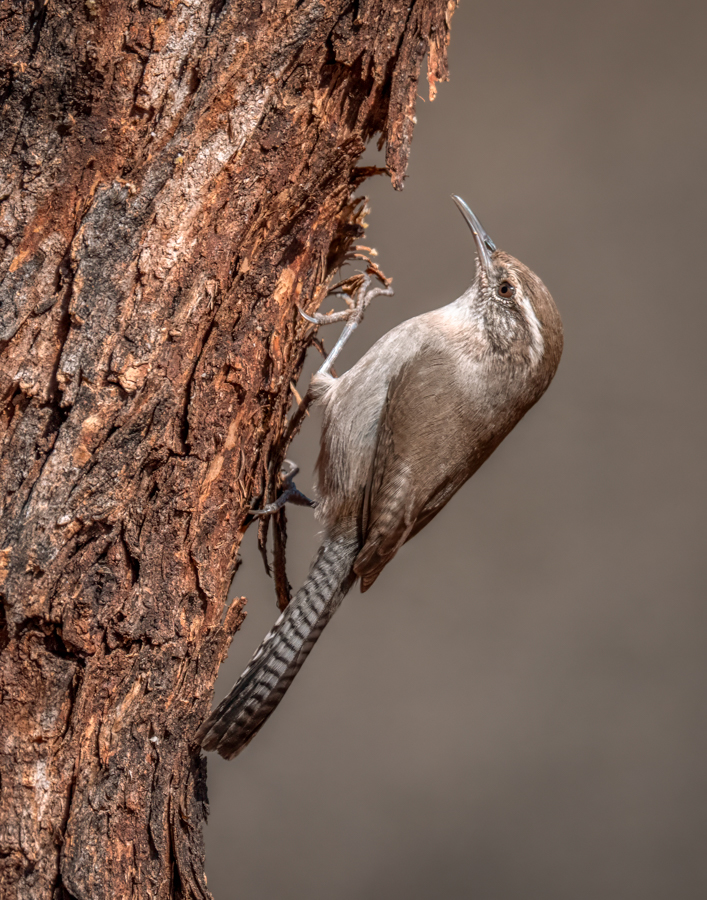
The Bewick's Wren is primarily found across the western United States, extending from southern Canada to northern Mexico. It thrives in riparian zones, woodlands, dense brush, and my backyard. They primarily eat insects, including beetles, spiders, and ants. Occasionally, they will consume fruits and seeds. Renowned for its remarkable mimicry, the Bewick’s Wren often incorporates the calls and songs of other species into its vibrant melodic repertoire.
Canyon towhee-05009-Edit.jpg

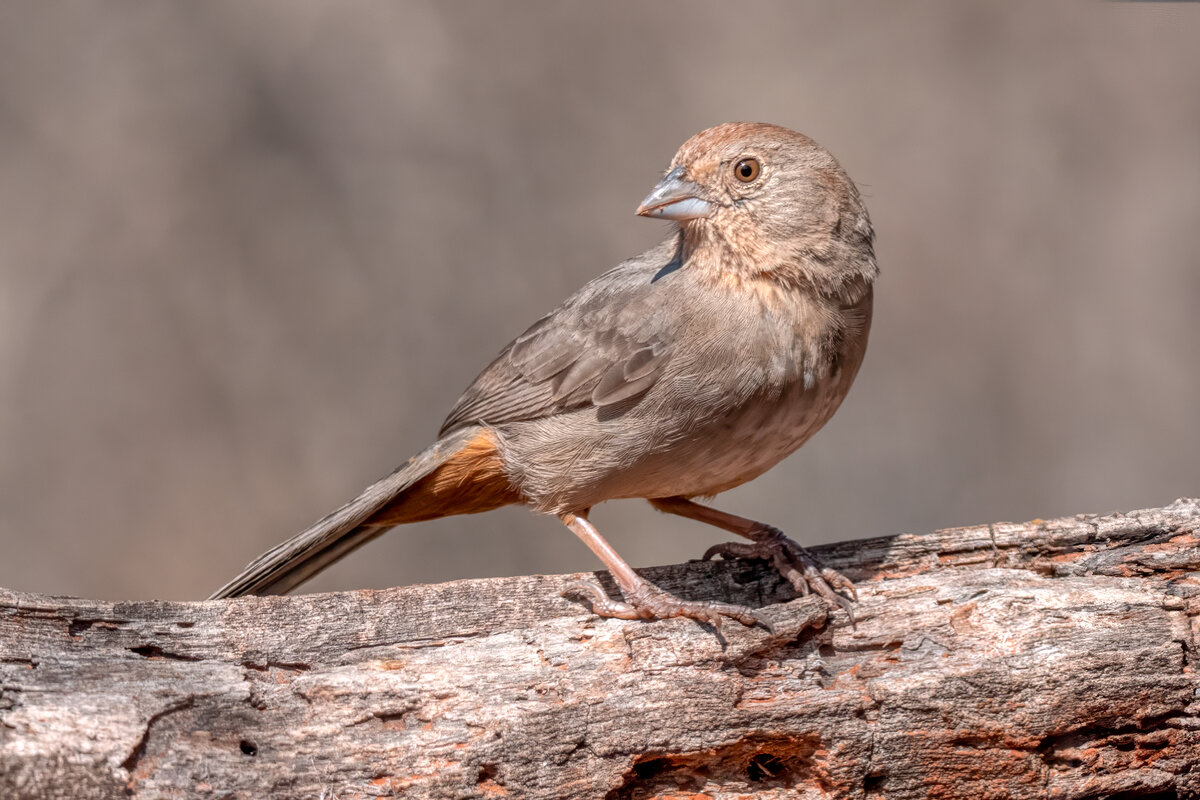
The Canyon Towhee is a medium-sized sparrow native to the arid landscapes of the southwestern United States and Mexico. Measuring 8–9 inches in length, this sturdy bird is well-adapted to its desert and scrubland habitat, with warm brown plumage and subtle streaking that provide excellent camouflage. Preferring to stay close to the ground, it forages for seeds, insects, and berries in open spaces and dense underbrush.
Canyon towhee 04322-Edit.jpg

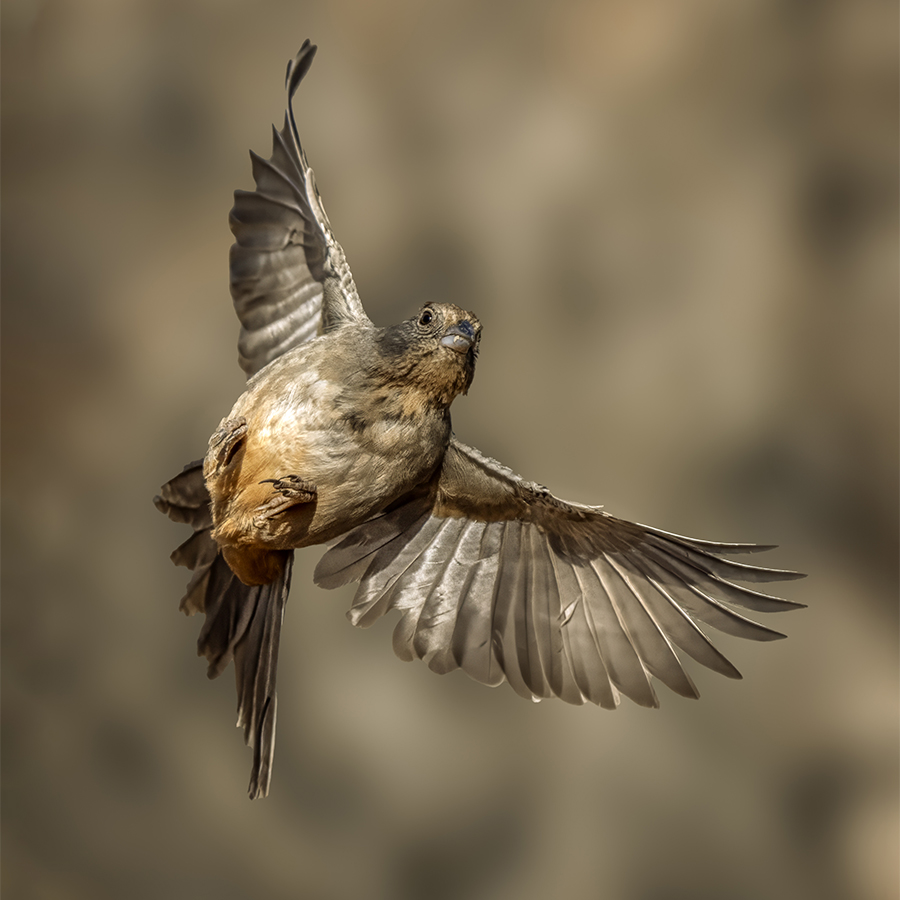
Startled by a scrub jay, the Canyon Towhee sprang backward into the air, belly exposed to the camera. Wings spread wide, it hovered for a split second, reacting to the sudden intrusion—a fleeting display of surprise and agility. What brings me joy is the unique power of still photography—capturing an instant too fast for the eye to catch and impossible for video to preserve.
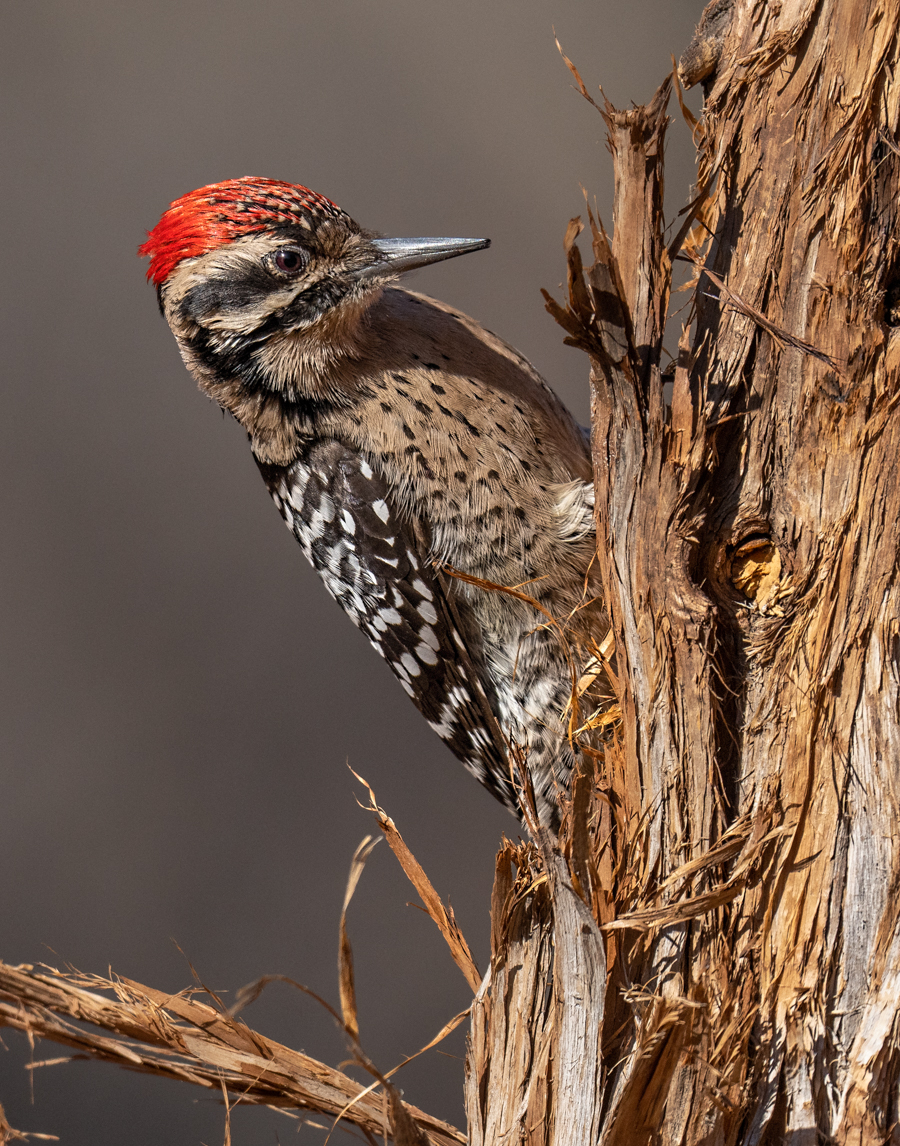
Ladder-backed Woodpecker-03157-Edit.jpg


The Ladder-backed woodpecker is a small bird 6 to 7 inches long, thrives in arid environments, and forages for insects beneath the bark. Its range extends from southern California and Texas to Nicaragua, where it inhabits desert scrub, mesquite groves, and open woodlands. Unlike many woodpeckers that favor dense forests, the Ladder-backed Woodpecker adapts to dry, sparsely wooded landscapes.
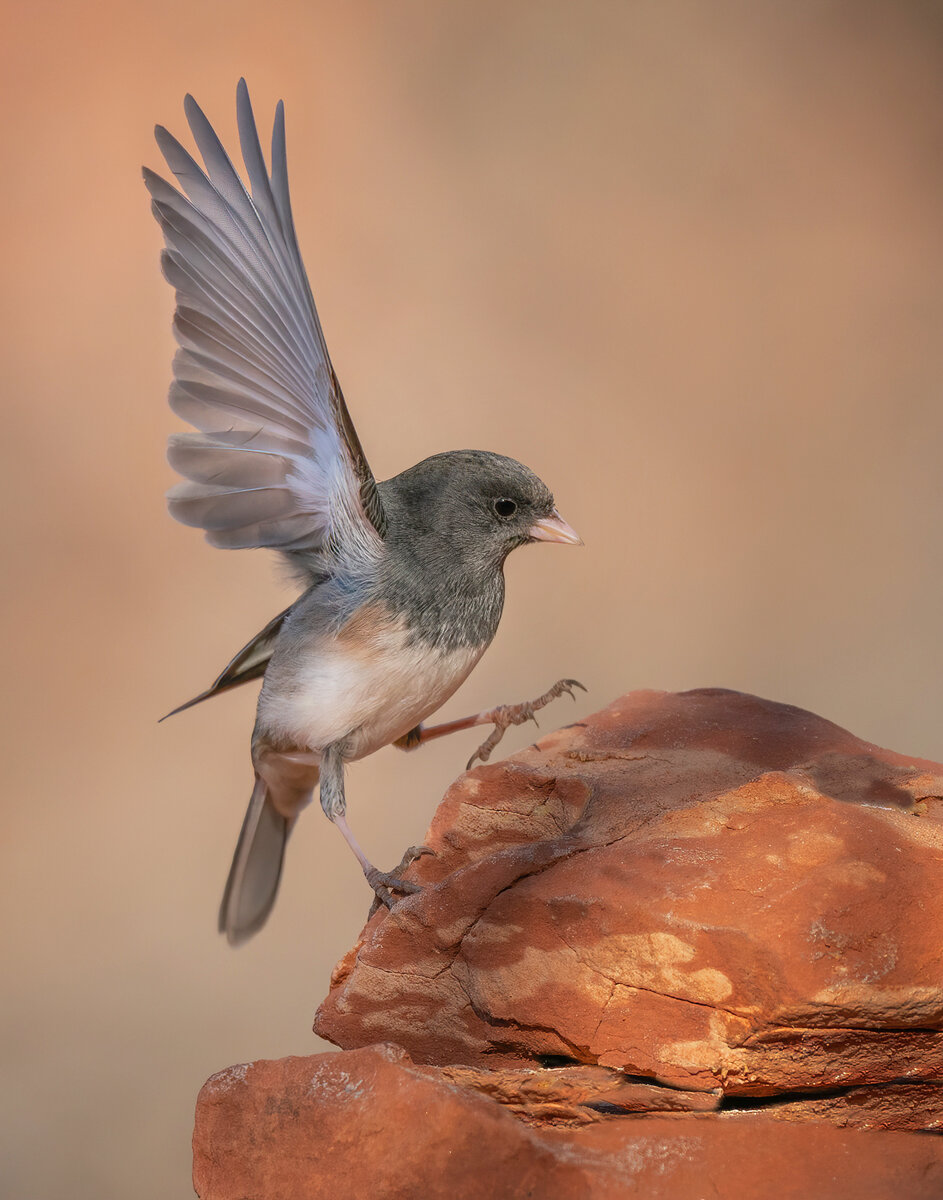
Junco-7951-Edit.jpg

Dark-eyed junco

Killdeer-.jpg

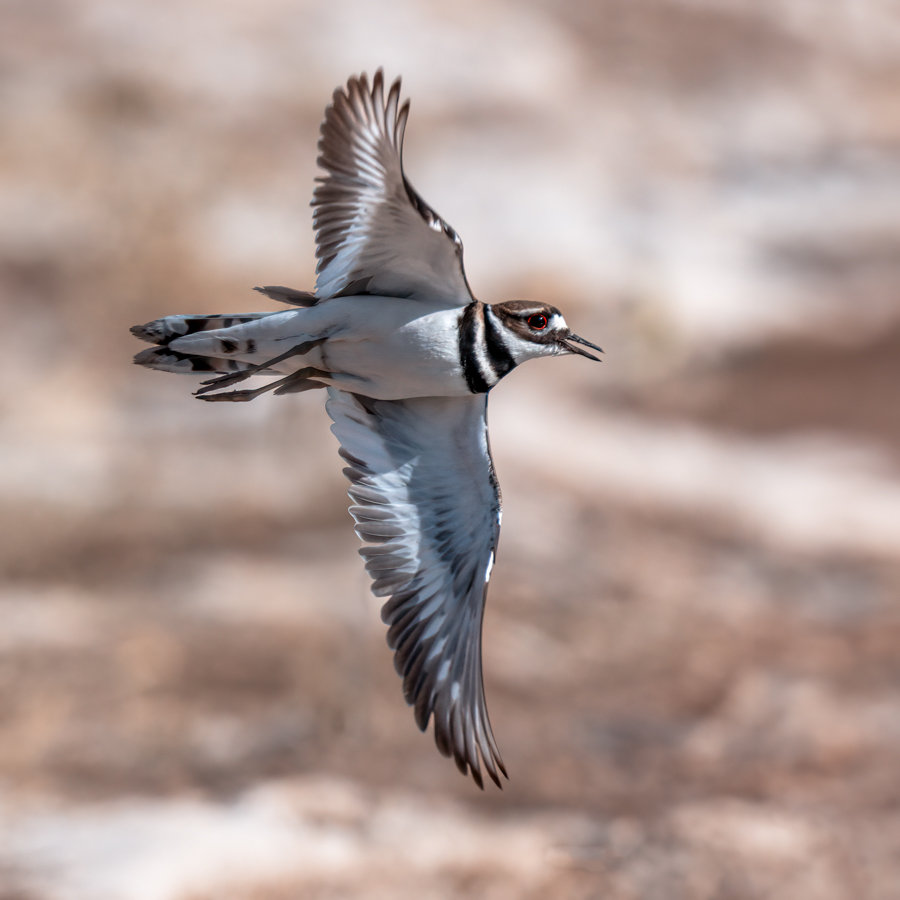
The killdeer was photographed Tuesday morning at Bubblig pond, 20 minuted from home. The other birds were photographed in my yard
 
Last edited:

Trent Watts

Well-Known Member
Great collection of bird images Eric. Such clarity and composition.
My post for today was to pick images all taken over many years from a local park. The park was planted with hundreds of spruce trees over 70 years ago. Many are nearing the end of their life with droughts, pruning for safety reasons and other unknown factors. Over 50 have died and have been removed. The diversity of bird species has reduced considerably over the 30+ years I have been going to the park.

Pine Siskin
_2111108-Edit.jpg


Ichneumonid Wasp
_6081934-Edit.jpg


Male House finch
_B263284-Edit.jpg


Black Fire Beetle
P8091185-Edit.jpg


Black-capped Chickadee.
T1011054-Edit.jpg
 

AlanLichty

Moderator
I am going the backyard bird route for this week. I was out shooting some flowers and saw a very small bird fluttering around the top of one of our cedar trees. It would fly out from the tree and then do some crazy aerial acrobatics and then land again. Not just once but it kept doing it so I aimed my camera up at the top of the tree and grabbed some sequences of the activity. The small bird is a Bushtit and as it turned out it was chasing some insects that were hovering up there. Not sure if the Bushtit flushed the insects out of the tree or was just taking advantage of where they were lurking in the air.

CR5m2_Bushtit030525-1.jpg

CR5m2_Bushtit030525-2.jpg

CR5m2_Bushtit030525-3.jpg

CR5m2_Bushtit030525-4.jpg

CR5m2_Bushtit030525-5.jpg

CR5m2_Bushtit030525-6.jpg
 

Eric Gofreed

Well-Known Member
I am going the backyard bird route for this week. I was out shooting some flowers and saw a very small bird fluttering around the top of one of our cedar trees. It would fly out from the tree and then do some crazy aerial acrobatics and then land again. Not just once but it kept doing it so I aimed my camera up at the top of the tree and grabbed some sequences of the activity. The small bird is a Bushtit and as it turned out it was chasing some insects that were hovering up there. Not sure if the Bushtit flushed the insects out of the tree or was just taking advantage of where they were lurking in the air.

View attachment 80126
View attachment 80127
View attachment 80128
View attachment 80129
View attachment 80130
View attachment 80131
That tiny bird pretending to be a flycatcher (gnatcatcher) is a ruby-crowned kinglet. Exceptional series, Alan!
 

Eric Gofreed

Well-Known Member
Great collection of bird images Eric. Such clarity and composition.
My post for today was to pick images all taken over many years from a local park. The park was planted with hundreds of spruce trees over 70 years ago. Many are nearing the end of their life with droughts, pruning for safety reasons and other unknown factors. Over 50 have died and have been removed. The diversity of bird species has reduced considerably over the 30+ years I have been going to the park.

Pine Siskin
View attachment 80115

Ichneumonid Wasp
View attachment 80116

Male House finch
View attachment 80117

Black Fire Beetle
View attachment 80118

Black-capped Chickadee.
View attachment 80119
WOW! all great shots, Trent. Did you pay the chickadee and house finch to pose? You inspire me to photograph bugs again.
 

Trent Watts

Well-Known Member
WOW! all great shots, Trent. Did you pay the chickadee and house finch to pose? You inspire me to photograph bugs again.
Thanks Eric. I'm hoping to do a deeper dive into spiders this spring. Not sure how many I can find and ID but I know when looking I will encounter my share of ticks.
 

Trent Watts

Well-Known Member
I am going the backyard bird route for this week. I was out shooting some flowers and saw a very small bird fluttering around the top of one of our cedar trees. It would fly out from the tree and then do some crazy aerial acrobatics and then land again. Not just once but it kept doing it so I aimed my camera up at the top of the tree and grabbed some sequences of the activity. The small bird is a Bushtit and as it turned out it was chasing some insects that were hovering up there. Not sure if the Bushtit flushed the insects out of the tree or was just taking advantage of where they were lurking in the air.

View attachment 80126
View attachment 80127
View attachment 80128
View attachment 80129
View attachment 80130
View attachment 80131
Wow Alan. I love how you can see the insects and the bird catching them. Well seen and photographed.
 

AlanLichty

Moderator
That tiny bird pretending to be a flycatcher (gnatcatcher) is a ruby-crowned kinglet. Exceptional series, Alan!
Thanks Eric - I had never heard of a Kinglet until just now but the illustrations for a female ruby-crowned kinglet are an exact match. The eyes are the key for this identification.
 

Eric Gofreed

Well-Known Member
Your backyard bird show is an inspiration. Beautiful images as always.
Thank you, Alan! Feed the birds, and they will come. Add a scenic perch—maybe a branch or some of your garden’s beautiful blooms—and you’ll have a front-row seat to nature’s best show. Just keep your camera ready
 

Eric Gofreed

Well-Known Member
Thanks Eric. I'm hoping to do a deeper dive into spiders this spring. Not sure how many I can find and ID but I know when looking I will encounter my share of ticks.
I hope that's not a challenge to me. I would accept, but my mobility is poor until I have a hip or 2 replaced.
 

Alan Milnes

Well-Known Member
This week's Winged Wednesday is all about your favorite winged creatures! There’s no set theme—birds, butterflies, insects, or anything else that soars or flutters are welcome, whether captured recently or in the past. I am sharing five bird photos from this past week and can’t wait to see what you contribute. Next week will be another open theme!

View attachment 80106
The Bewick's Wren is primarily found across the western United States, extending from southern Canada to northern Mexico. It thrives in riparian zones, woodlands, dense brush, and my backyard. They primarily eat insects, including beetles, spiders, and ants. Occasionally, they will consume fruits and seeds. Renowned for its remarkable mimicry, the Bewick’s Wren often incorporates the calls and songs of other species into its vibrant melodic repertoire.

View attachment 80108
The Canyon Towhee is a medium-sized sparrow native to the arid landscapes of the southwestern United States and Mexico. Measuring 8–9 inches in length, this sturdy bird is well-adapted to its desert and scrubland habitat, with warm brown plumage and subtle streaking that provide excellent camouflage. Preferring to stay close to the ground, it forages for seeds, insects, and berries in open spaces and dense underbrush.

View attachment 80107
Startled by a scrub jay, the Canyon Towhee sprang backward into the air, belly exposed to the camera. Wings spread wide, it hovered for a split second, reacting to the sudden intrusion—a fleeting display of surprise and agility. What brings me joy is the unique power of still photography—capturing an instant too fast for the eye to catch and impossible for video to preserve.

View attachment 80111

The Ladder-backed woodpecker is a small bird 6 to 7 inches long, thrives in arid environments, and forages for insects beneath the bark. Its range extends from southern California and Texas to Nicaragua, where it inhabits desert scrub, mesquite groves, and open woodlands. Unlike many woodpeckers that favor dense forests, the Ladder-backed Woodpecker adapts to dry, sparsely wooded landscapes.

View attachment 80109
Dark-eyed junco

View attachment 80110

The killdeer was photographed Tuesday morning at Bubblig pond, 20 minuted from home. The other birds were photographed in my yard
Amazing photos Eric! Exceptional!
 

Trent Watts

Well-Known Member
I hope that's not a challenge to me. I would accept, but my mobility is poor until I have a hip or 2 replaced.
No challenge intended Eric. No point in starting a challenge I'm sure to come in dragging my last bedraggled spider behind.
joint replacements have not hit me but so many my age have so my sympathies are with you.
 
Top Bottom