

Eric Gofreed
Well-Known Member
This week's Winged Wednesday is all about your favorite winged creatures! There’s no set theme—birds, butterflies, insects, or anything else that soars or flutters are welcome, whether captured recently or in the past. I am sharing five bird photos from this past week and can’t wait to see what you contribute. Next week will be another open theme!
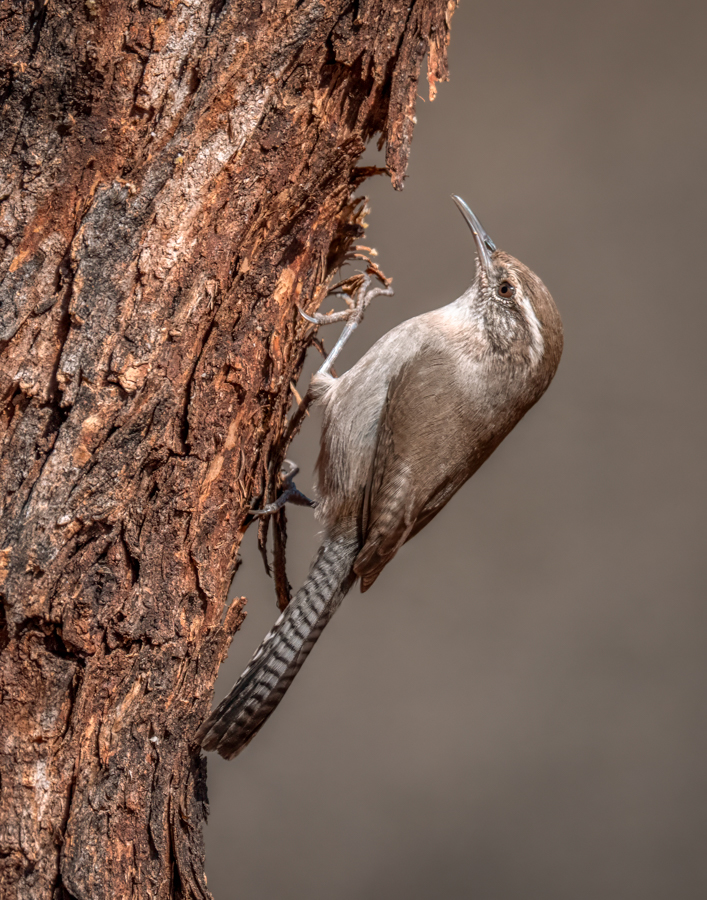
The Bewick's Wren is primarily found across the western United States, extending from southern Canada to northern Mexico. It thrives in riparian zones, woodlands, dense brush, and my backyard. They primarily eat insects, including beetles, spiders, and ants. Occasionally, they will consume fruits and seeds. Renowned for its remarkable mimicry, the Bewick’s Wren often incorporates the calls and songs of other species into its vibrant melodic repertoire.
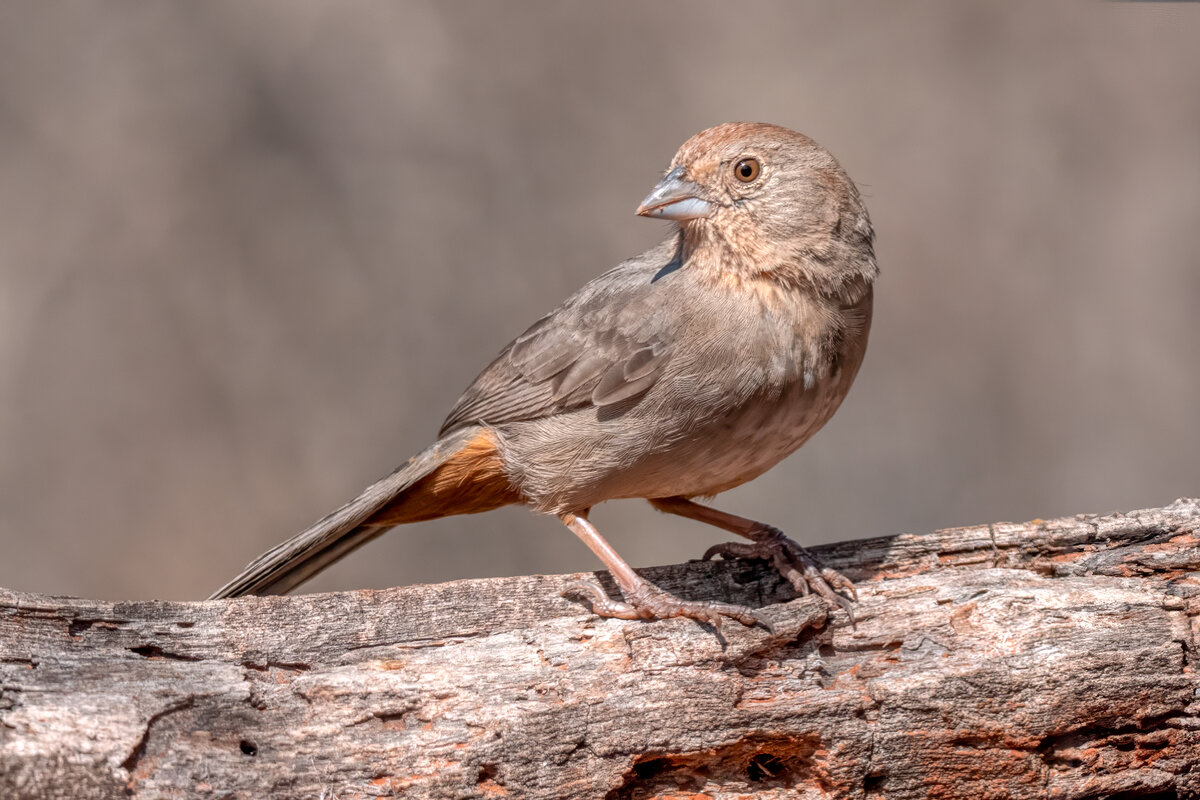
The Canyon Towhee is a medium-sized sparrow native to the arid landscapes of the southwestern United States and Mexico. Measuring 8–9 inches in length, this sturdy bird is well-adapted to its desert and scrubland habitat, with warm brown plumage and subtle streaking that provide excellent camouflage. Preferring to stay close to the ground, it forages for seeds, insects, and berries in open spaces and dense underbrush.
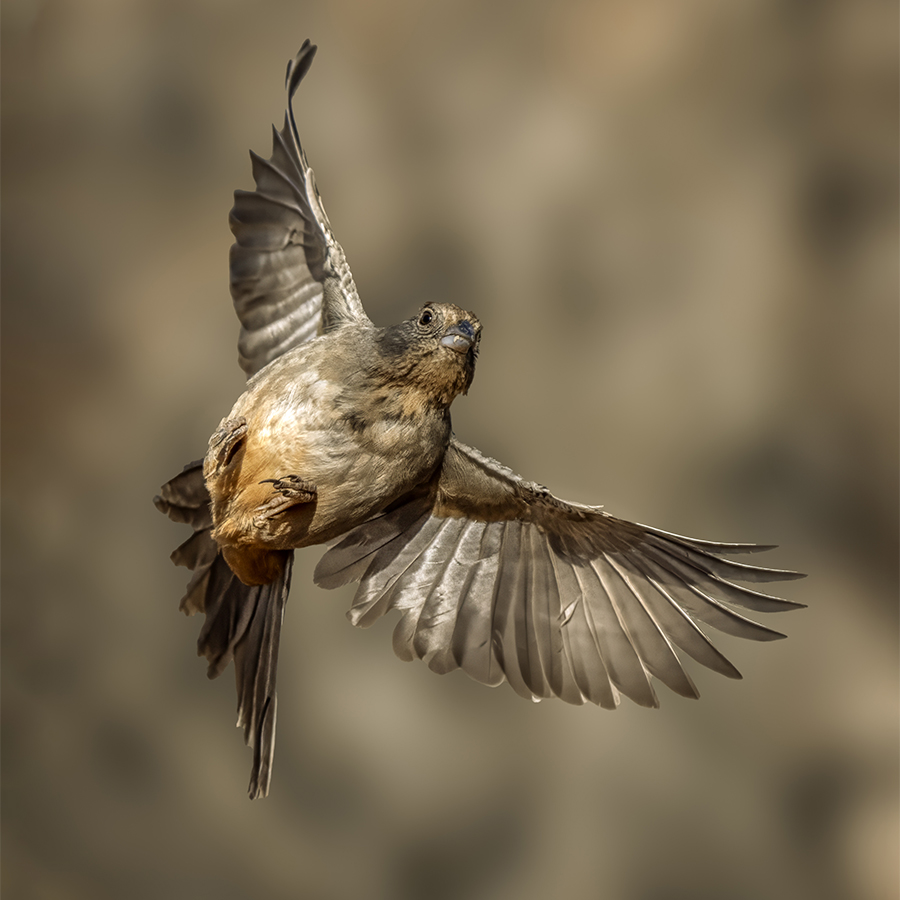
Startled by a scrub jay, the Canyon Towhee sprang backward into the air, belly exposed to the camera. Wings spread wide, it hovered for a split second, reacting to the sudden intrusion—a fleeting display of surprise and agility. What brings me joy is the unique power of still photography—capturing an instant too fast for the eye to catch and impossible for video to preserve.
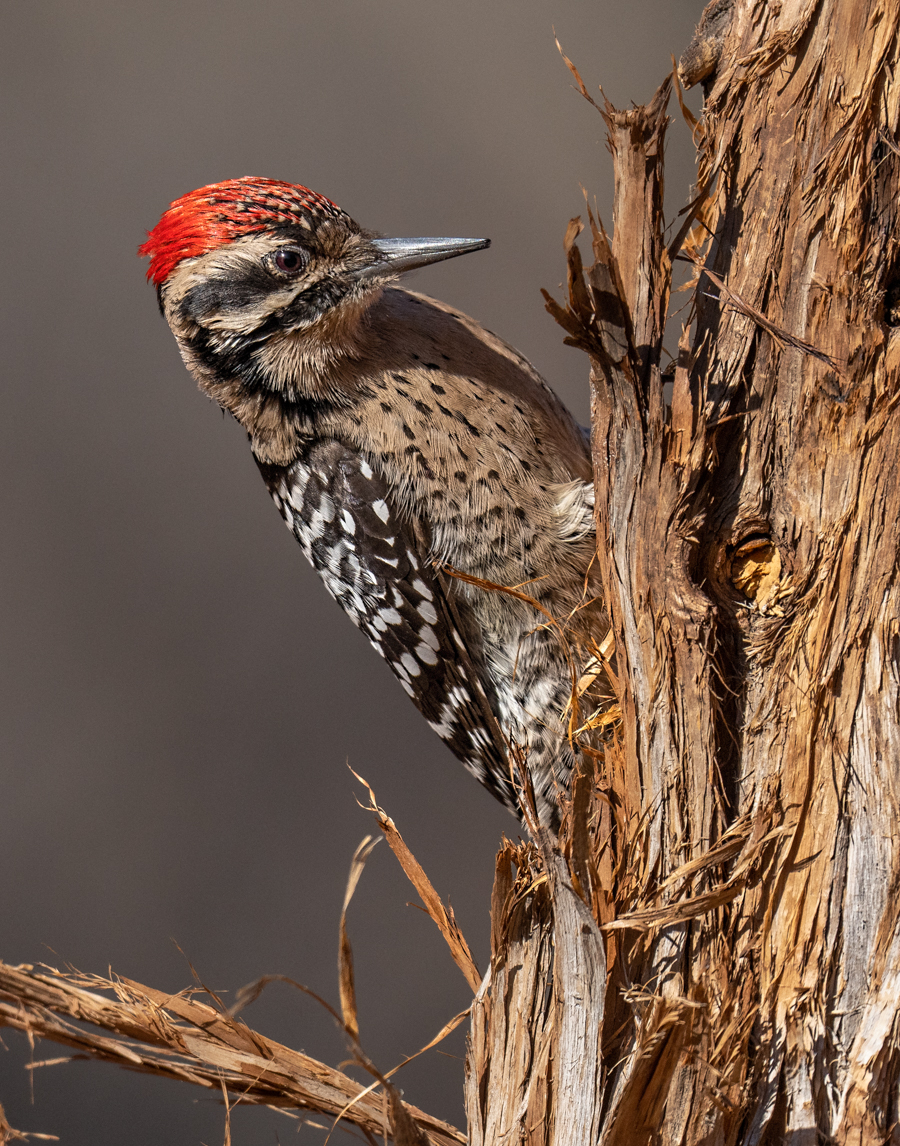
The Ladder-backed woodpecker is a small bird 6 to 7 inches long, thrives in arid environments, and forages for insects beneath the bark. Its range extends from southern California and Texas to Nicaragua, where it inhabits desert scrub, mesquite groves, and open woodlands. Unlike many woodpeckers that favor dense forests, the Ladder-backed Woodpecker adapts to dry, sparsely wooded landscapes.
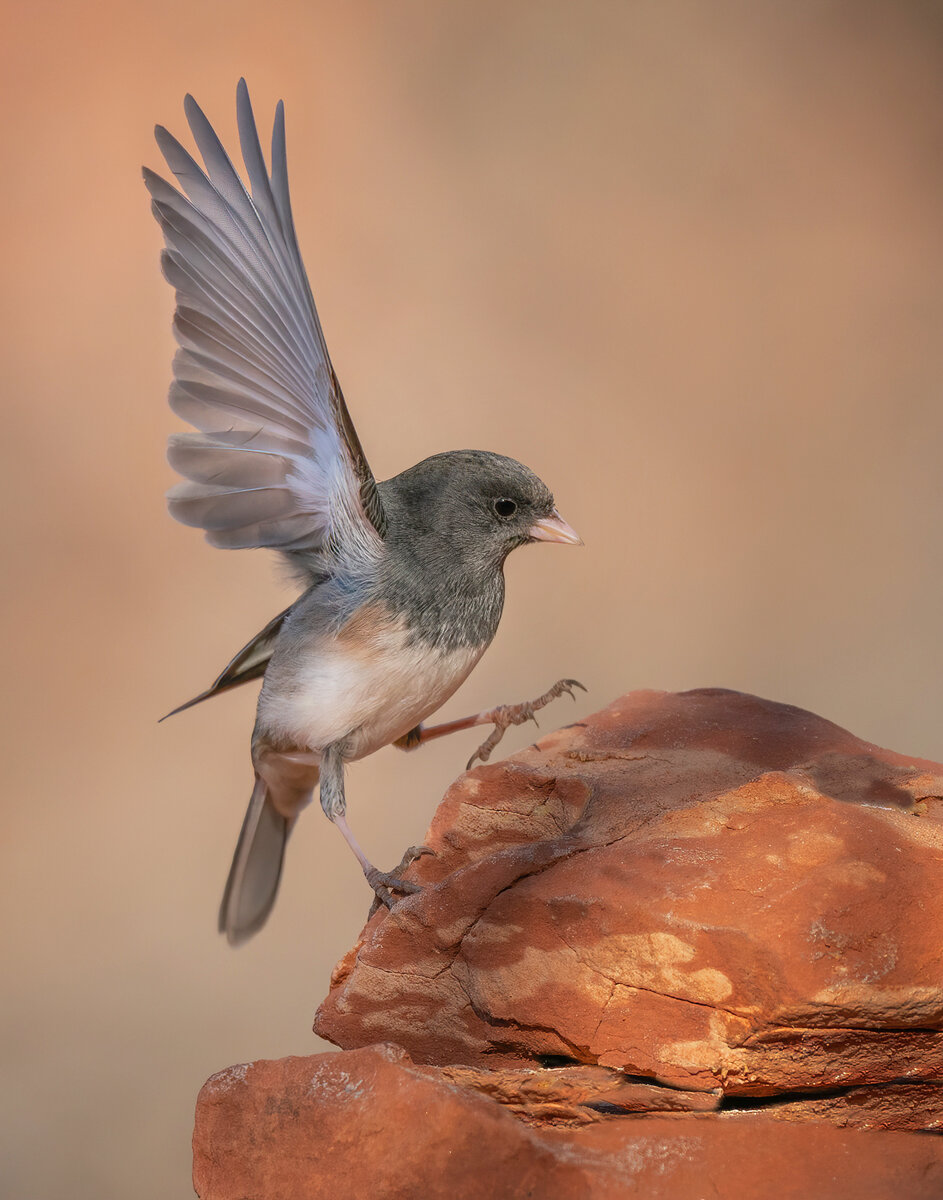
Dark-eyed junco
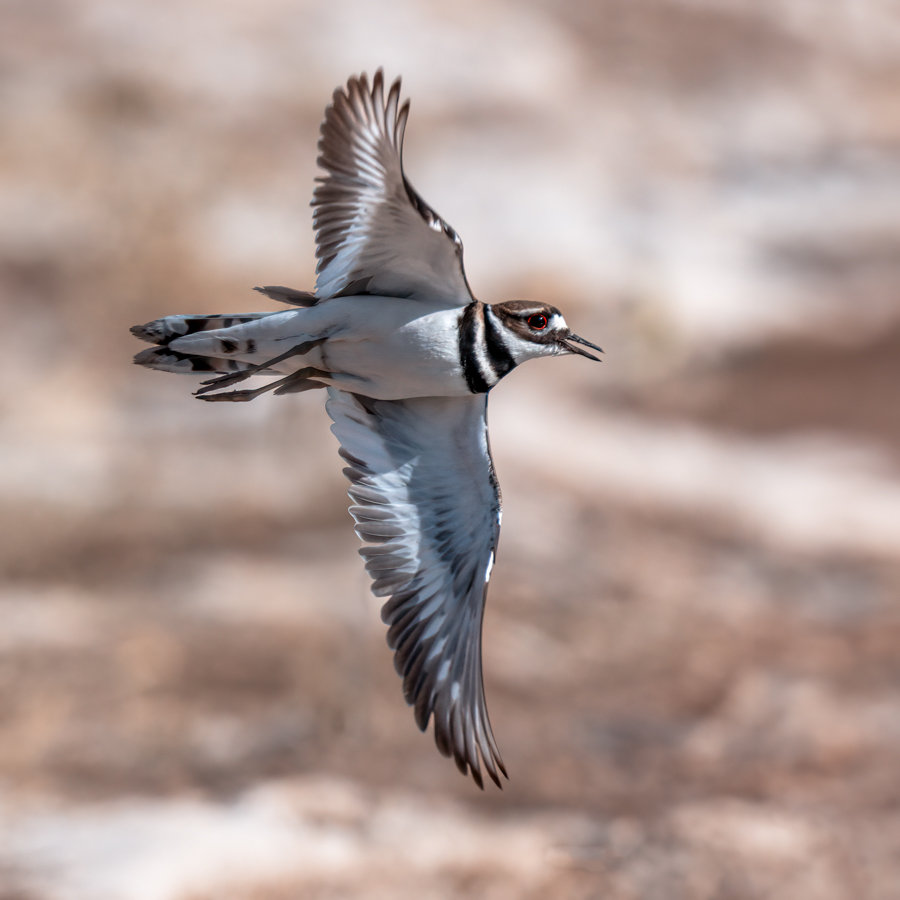
The killdeer was photographed Tuesday morning at Bubblig pond, 20 minuted from home. The other birds were photographed in my yard
The Bewick's Wren is primarily found across the western United States, extending from southern Canada to northern Mexico. It thrives in riparian zones, woodlands, dense brush, and my backyard. They primarily eat insects, including beetles, spiders, and ants. Occasionally, they will consume fruits and seeds. Renowned for its remarkable mimicry, the Bewick’s Wren often incorporates the calls and songs of other species into its vibrant melodic repertoire.
The Canyon Towhee is a medium-sized sparrow native to the arid landscapes of the southwestern United States and Mexico. Measuring 8–9 inches in length, this sturdy bird is well-adapted to its desert and scrubland habitat, with warm brown plumage and subtle streaking that provide excellent camouflage. Preferring to stay close to the ground, it forages for seeds, insects, and berries in open spaces and dense underbrush.
Startled by a scrub jay, the Canyon Towhee sprang backward into the air, belly exposed to the camera. Wings spread wide, it hovered for a split second, reacting to the sudden intrusion—a fleeting display of surprise and agility. What brings me joy is the unique power of still photography—capturing an instant too fast for the eye to catch and impossible for video to preserve.
The Ladder-backed woodpecker is a small bird 6 to 7 inches long, thrives in arid environments, and forages for insects beneath the bark. Its range extends from southern California and Texas to Nicaragua, where it inhabits desert scrub, mesquite groves, and open woodlands. Unlike many woodpeckers that favor dense forests, the Ladder-backed Woodpecker adapts to dry, sparsely wooded landscapes.
Dark-eyed junco
The killdeer was photographed Tuesday morning at Bubblig pond, 20 minuted from home. The other birds were photographed in my yard
Last edited:


