

Douglas Sherman
Staff
I have decided to feature Hepatica, which is one of the earliest booming plants in the Midwest spring. There are two varieties: round-lobed and sharp-lobed. These terms refer to the shape of the leaves which usually make it through the winter and are present when it blooms. New leaves form after the initial blooming period. Their flowers can be purple, pink or white with blooms about the size of your little fingernail with quite hairy stems. The sharp-lobed flowers tend to very light pink or white while, round lobbed have various shades of purple and dark pink.
The name Hepatica comes from the resemblance of the leaves to the shape and color of the human liver and according to the now dismissed "Doctrine of Signs," would help treat liver illnesses. The reasoning was that God wanted to signal humans which plants to use to cure specific diseases.
In the 1980's I figured out that the Audubon Calendar editor liked the color purple, so I made sure to send her plenty of purple images including Round-lobed Hepatica. That biased me from taking images of sharped-lobed hepatica because they are much lighter in color. All of these images are round-lobed hepaticas. All but the third image have been published.
Don't forget to pile on with your flower images.
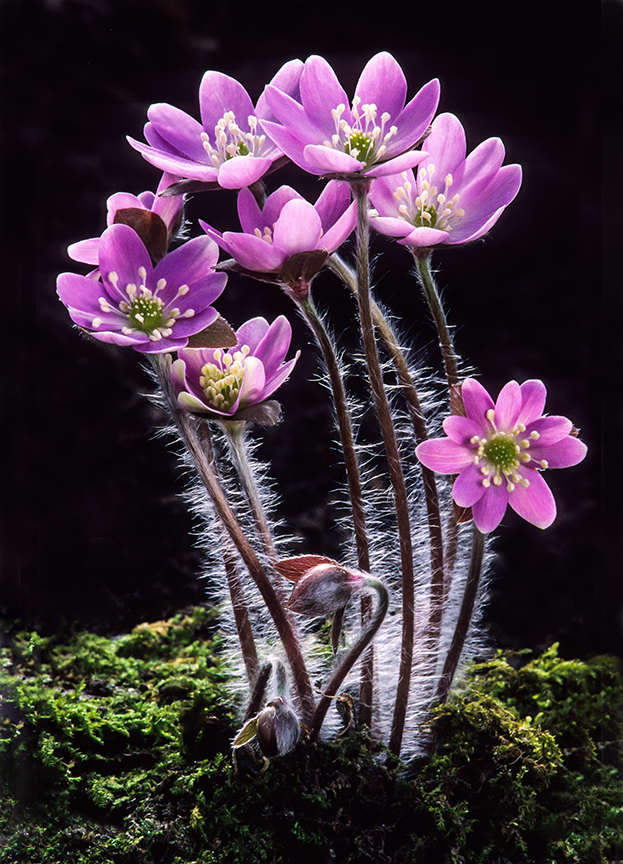
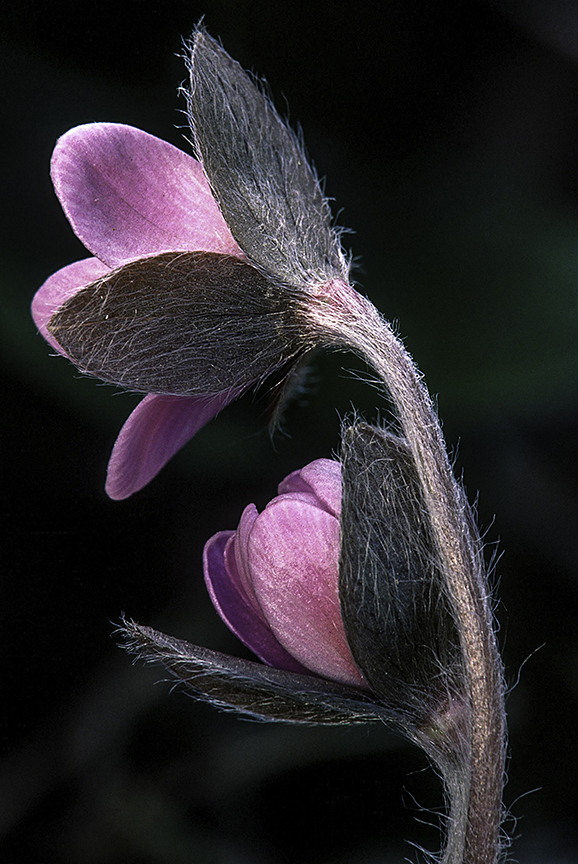
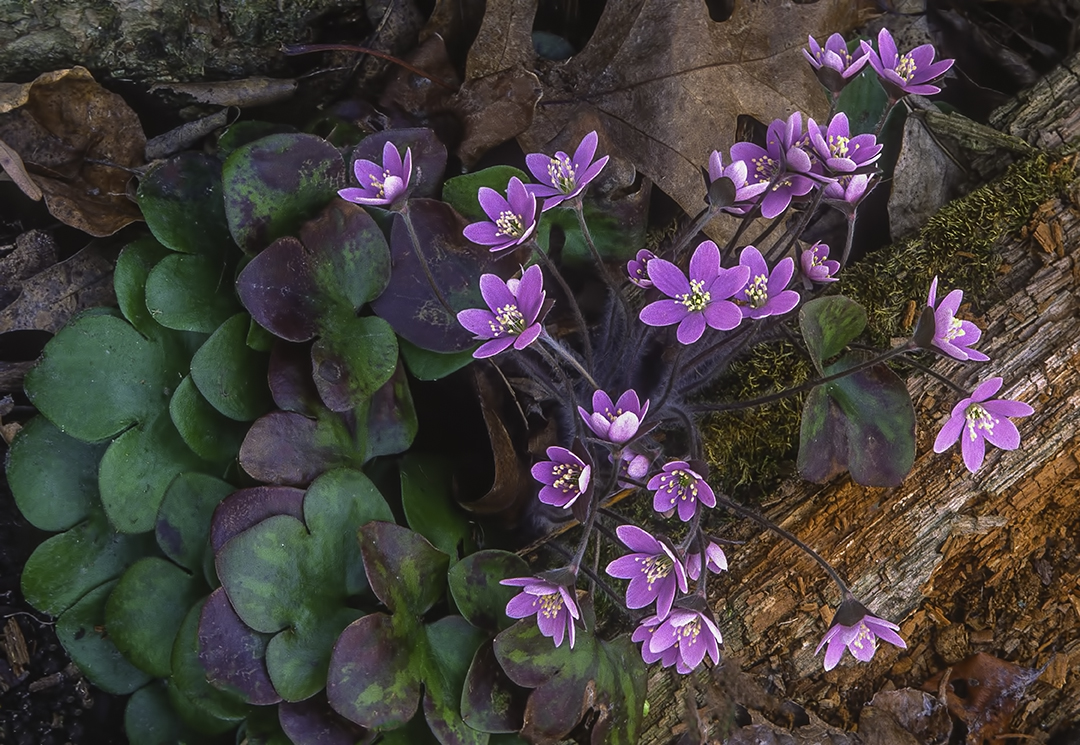
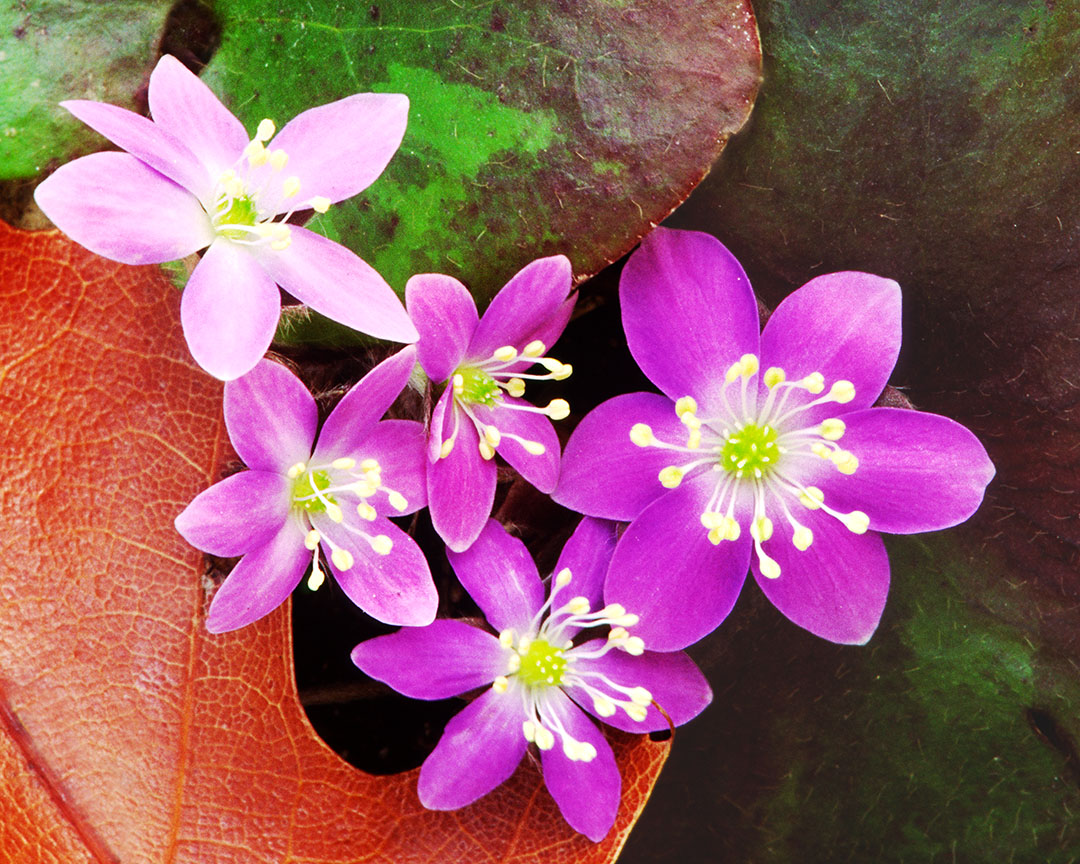
The name Hepatica comes from the resemblance of the leaves to the shape and color of the human liver and according to the now dismissed "Doctrine of Signs," would help treat liver illnesses. The reasoning was that God wanted to signal humans which plants to use to cure specific diseases.
In the 1980's I figured out that the Audubon Calendar editor liked the color purple, so I made sure to send her plenty of purple images including Round-lobed Hepatica. That biased me from taking images of sharped-lobed hepatica because they are much lighter in color. All of these images are round-lobed hepaticas. All but the third image have been published.
Don't forget to pile on with your flower images.


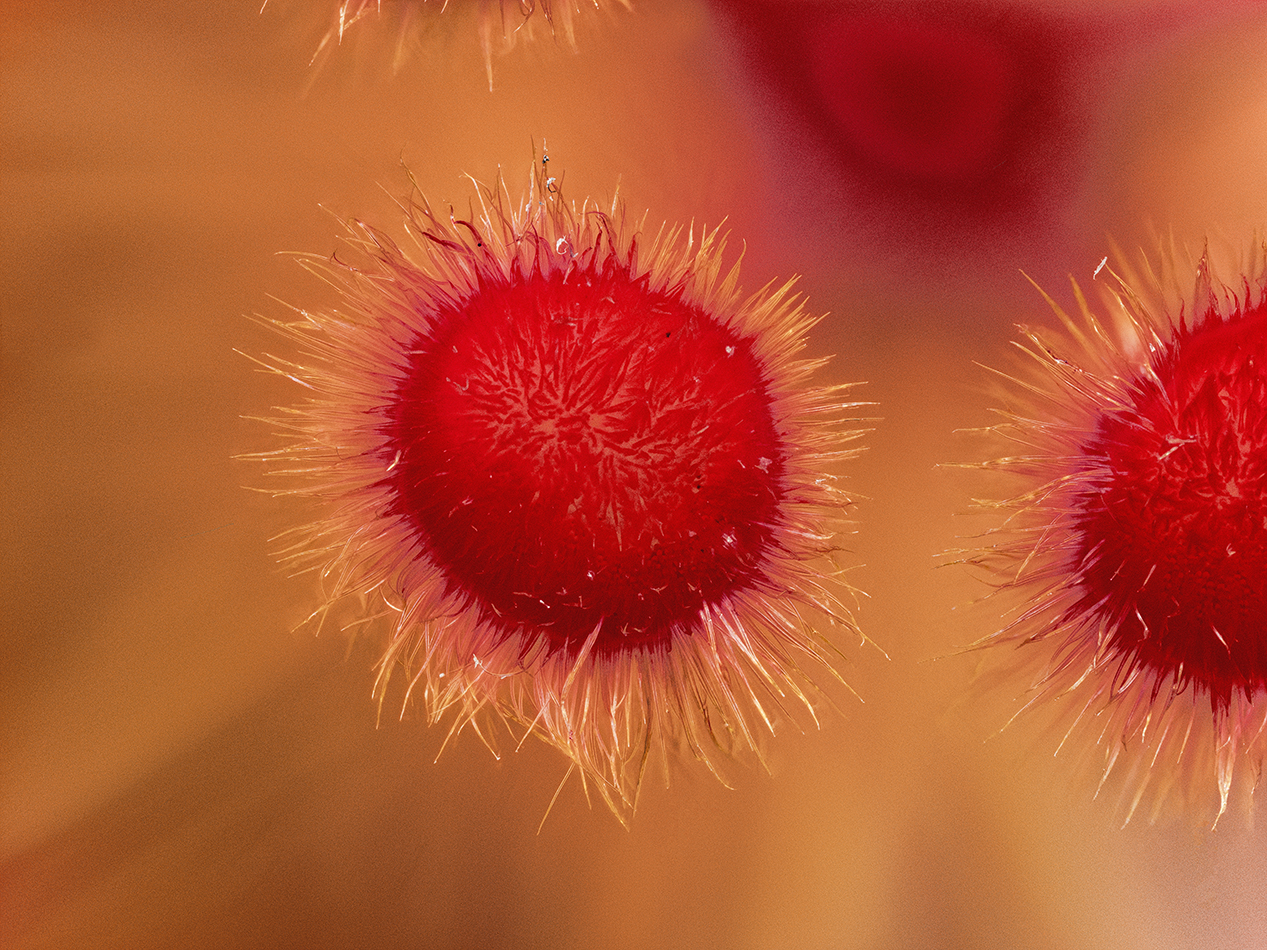
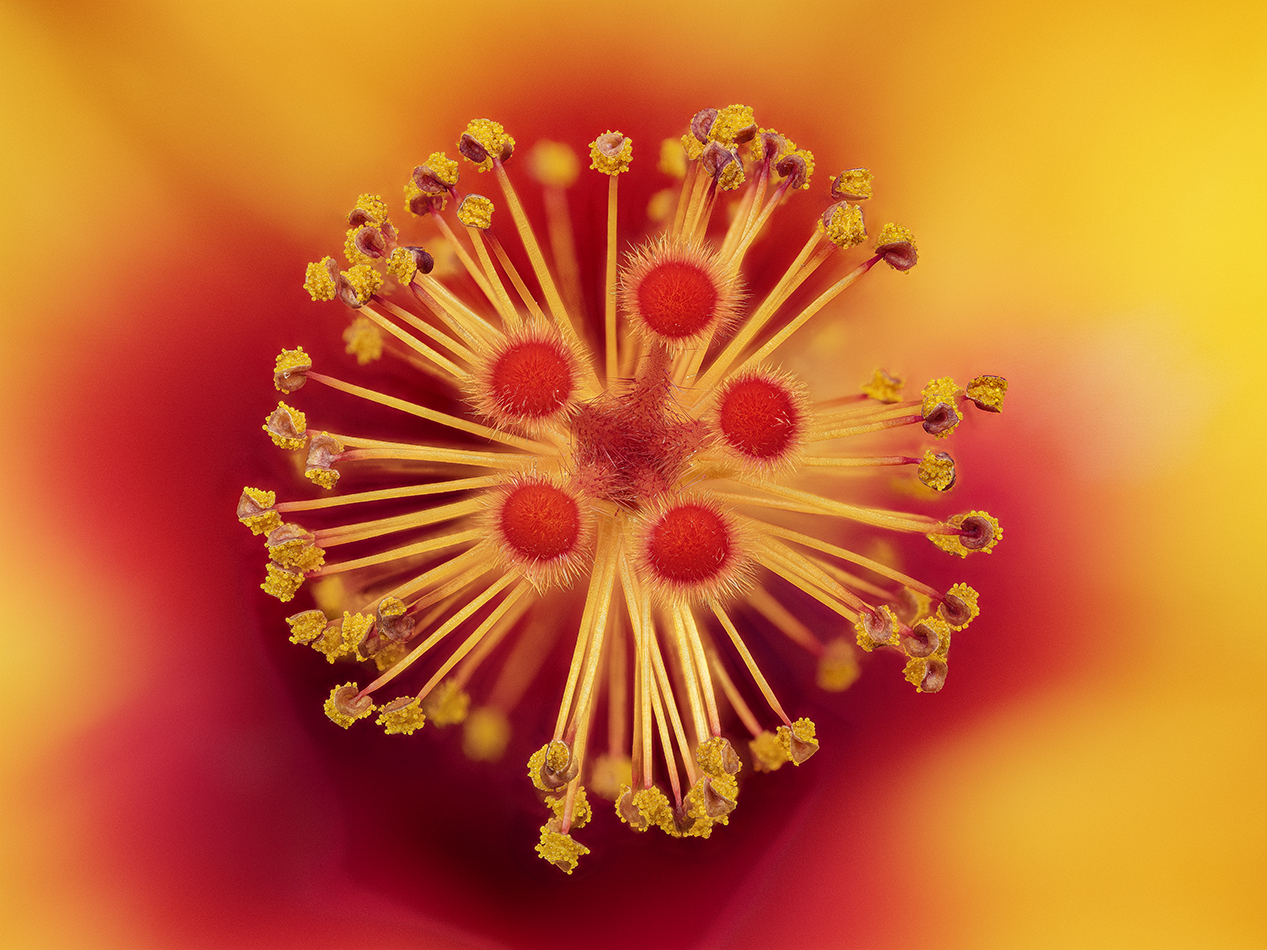
 - there was never a color code for the thread. In my case it just happened to be the case that I had prepped a couple of shots from flowers I shot in Florence that were purple and apparently Jameel had some purple queued up as well. BTW - great flowers from both of you.