
Bob Israel
Well-Known Member
Every spring, I get excited to fire off some infrared images with my 'ancient' Sony a6000. This time, mounted with the Sony 12-24GM.
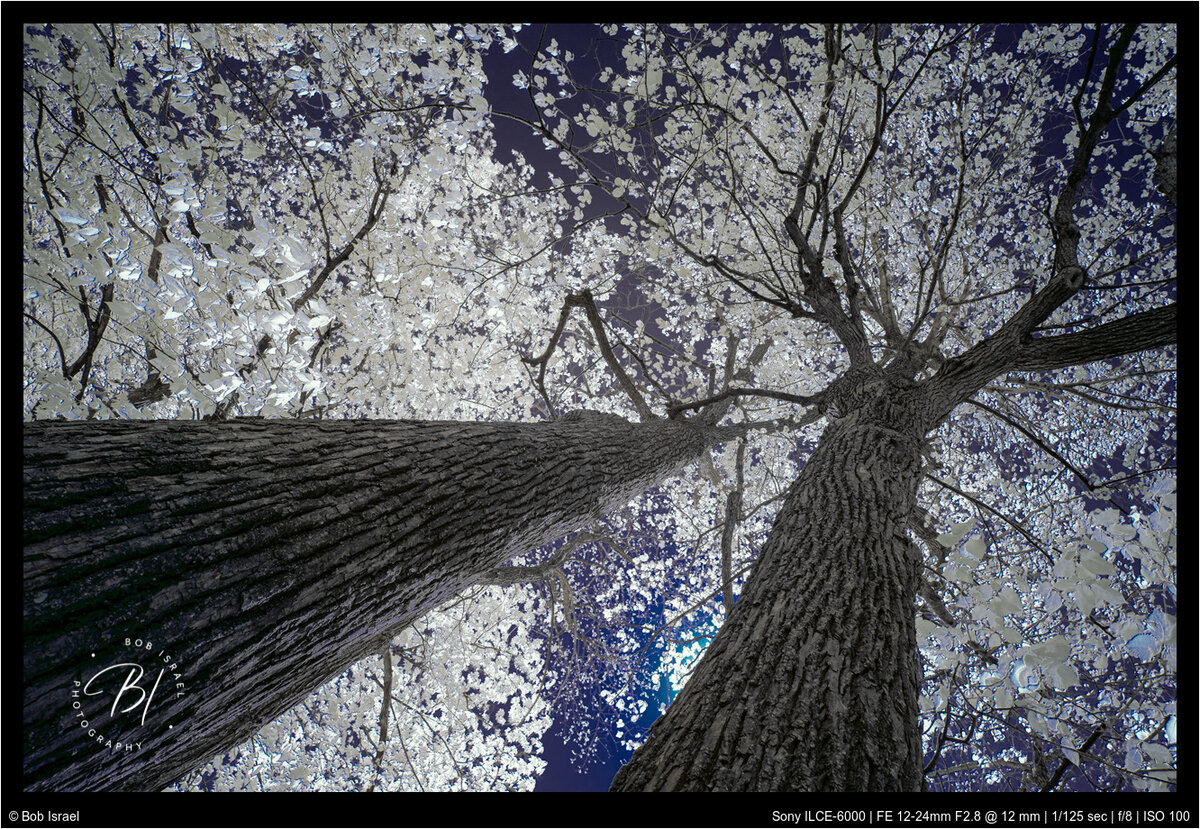
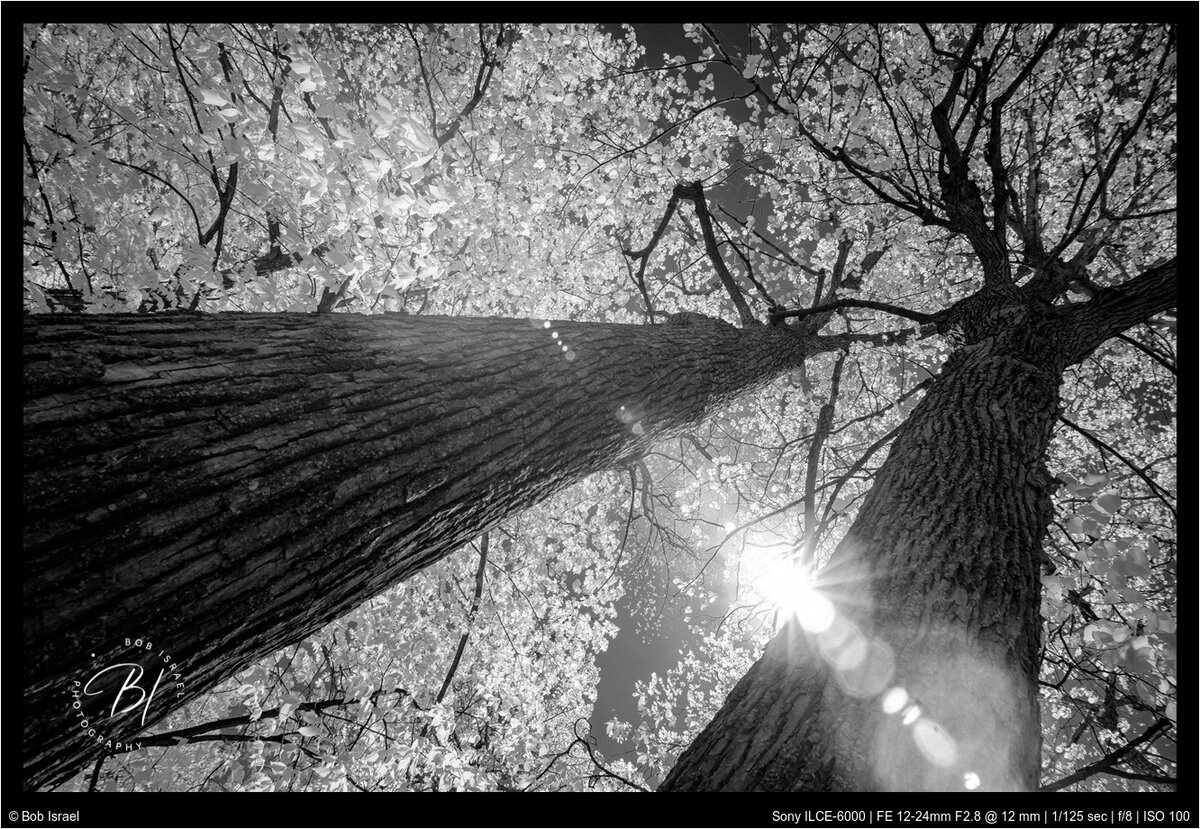


Yep, it's crazy. I was about to buy a used A6400 as I had seen some nice used ones for about $300 at the local monthly camera swap meet here in SoCal. But it closed due to the pandemic and hasn't reopened yet, though their website says they will still open back up at some point. But even looking online, the pandemic caused all the prices of used cameras to rise up, in some cases the difference between a used camera and the same one brand new is only $100-200, so it's not even worth buying used.Thank you all for you comments.
@JimFox - That is crazy that they still sell the a6000. It works well for the conversion although I do have a hot spot center that I sometimes have to correct. It appears as an area with more magenta than the rest of the frame. Most times, it easy to correct in post. I don't know if later sensors would work any better. I'm really enjoying what this little camera can produce with Sony GM lenses (24GM, 12-24GM and 35GM).
I didn't realize that it is recommended to shoot close to wide open. I generally don't and usually set aperture to f/5.8 or f/8 as I am usually shooting landscapes. I will go to the life pixel site and do some reading. I haven't visited that site since they converted my a6000 many years ago. I also shoot in aperture mode when shooting IR. Thanks!Yep, it's crazy. I was about to buy a used A6400 as I had seen some nice used ones for about $300 at the local monthly camera swap meet here in SoCal. But it closed due to the pandemic and hasn't reopened yet, though their website says they will still open back up at some point. But even looking online, the pandemic caused all the prices of used cameras to rise up, in some cases the difference between a used camera and the same one brand new is only $100-200, so it's not even worth buying used.
As to hot spots with IR, they don't come from the cameras sensor, they come from the lens. If you go to Life Pixel, the have a list of lenses they recommend that have shown minimal hot spots. And then they have a list of lenses that have proven to be really bad with IR and produce bad hot spots.
In case you aren't aware, the first tip with IR is to shoot always wide open, or close to it. The lens I use on my Nikon is a f3.5 lens, and I shoot it at f5.6 always. Doesn't matter the scene, I never change it. What's nice with Crop sensors is they have more DoF anyway, so it's easier to get away with it. Also watch shooting towards the sun. It's best to shoot with the sun at your back, but if you can't, try to shade the sun as much as possible with your hand (a Lens shade isn't enough). One of my friends, she sometimes will use an umbrella to shade the sun from hitting the lens at all.
So I use my IR camera always in Aperture mode, so that the aperture stays at f5.6 and it's pretty rare for me to get a hot spot.
You aren't too far off then if you normally shoot at f5.6 or f8 anyway. My normal aperture for landscape is f13. For my lenses it gives me good sharpness, I don't notice any difraction and it gives me tons of DoF.I didn't realize that it is recommended to shoot close to wide open. I generally don't and usually set aperture to f/5.8 or f/8 as I am usually shooting landscapes. I will go to the life pixel site and do some reading. I haven't visited that site since they converted my a6000 many years ago. I also shoot in aperture mode when shooting IR. Thanks!

