

Douglas Sherman
Staff
I will be in Kansas until next Tuesday, so I am posting this thread today. I have decided to make this Monday's collection, agates. I don't collect the cheesy dyed agates with garish colors. There are far too many beautiful agates with outstanding colors to bother with those tourist trap objects. Most agates form in volcanic lavas which have natural holes. These holes fill with chalcedony, a cryptocrystalline variety of quartz (crystal structure too small to be seen by the naked eye) which is deposited out of aqueous solutions that pass through the rocks. Occasionally, the last deposit in the holes may also produce quartz crystals.
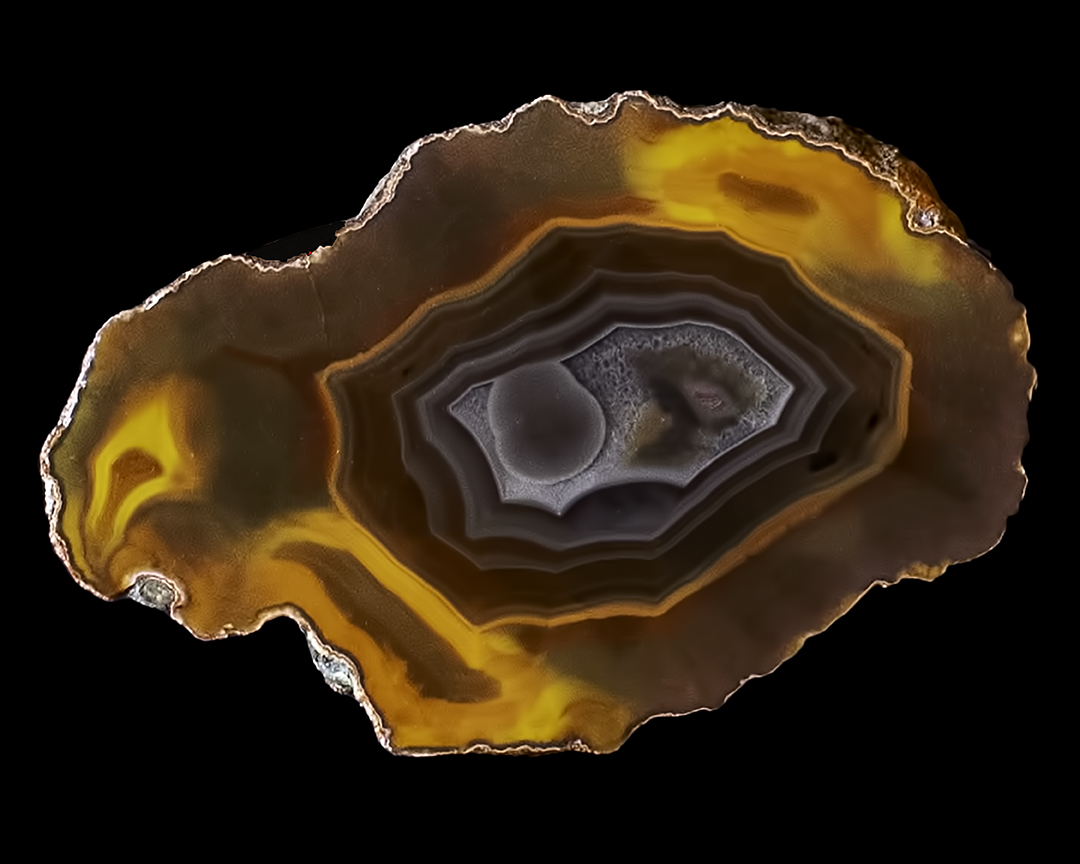
Agate from Brazil.
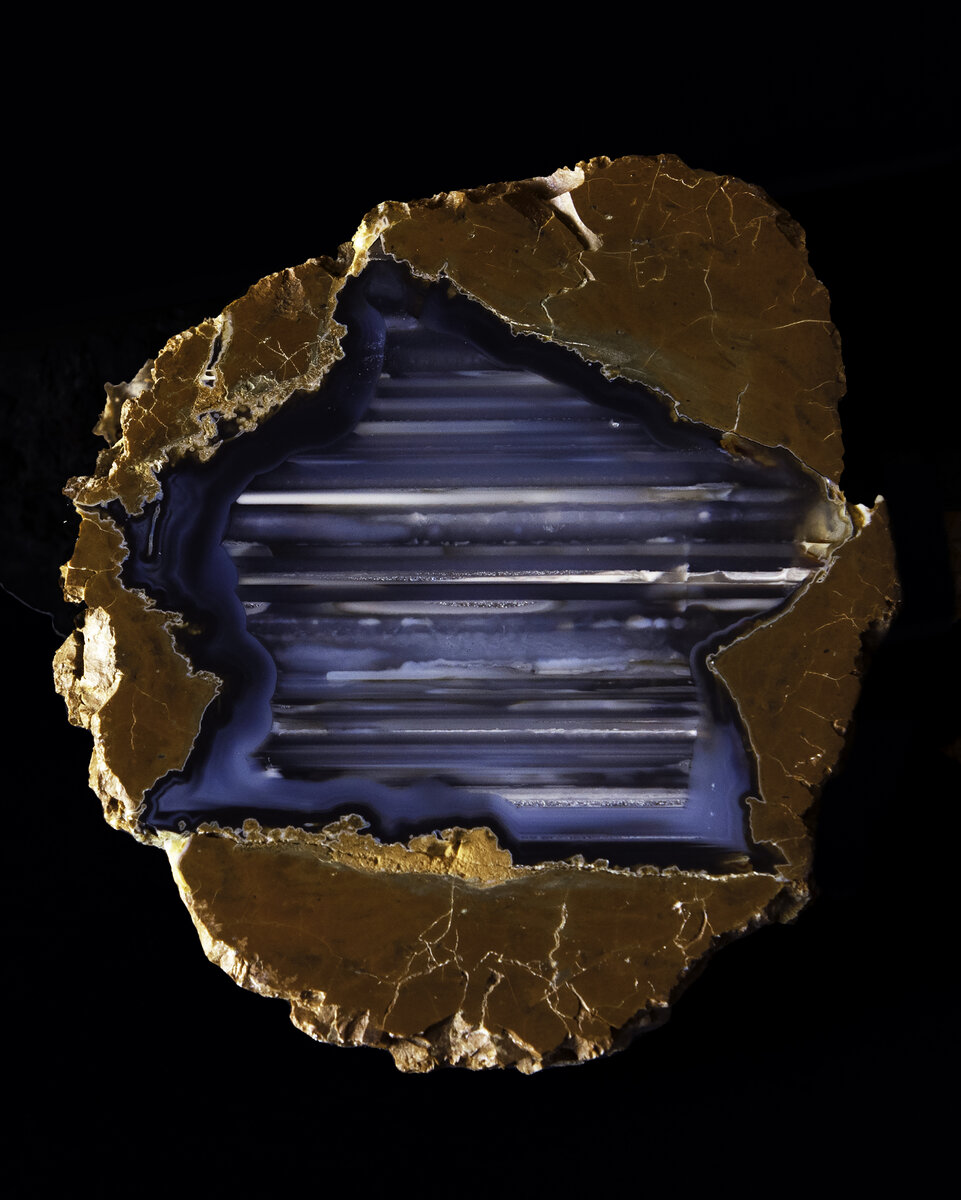
Thunderegg from Richardson's Ranch near Madras. Oregon. The surrounding material is rhyolite which is a fine-grained volcanic rock material and the chalcedony was deposited in in layers.
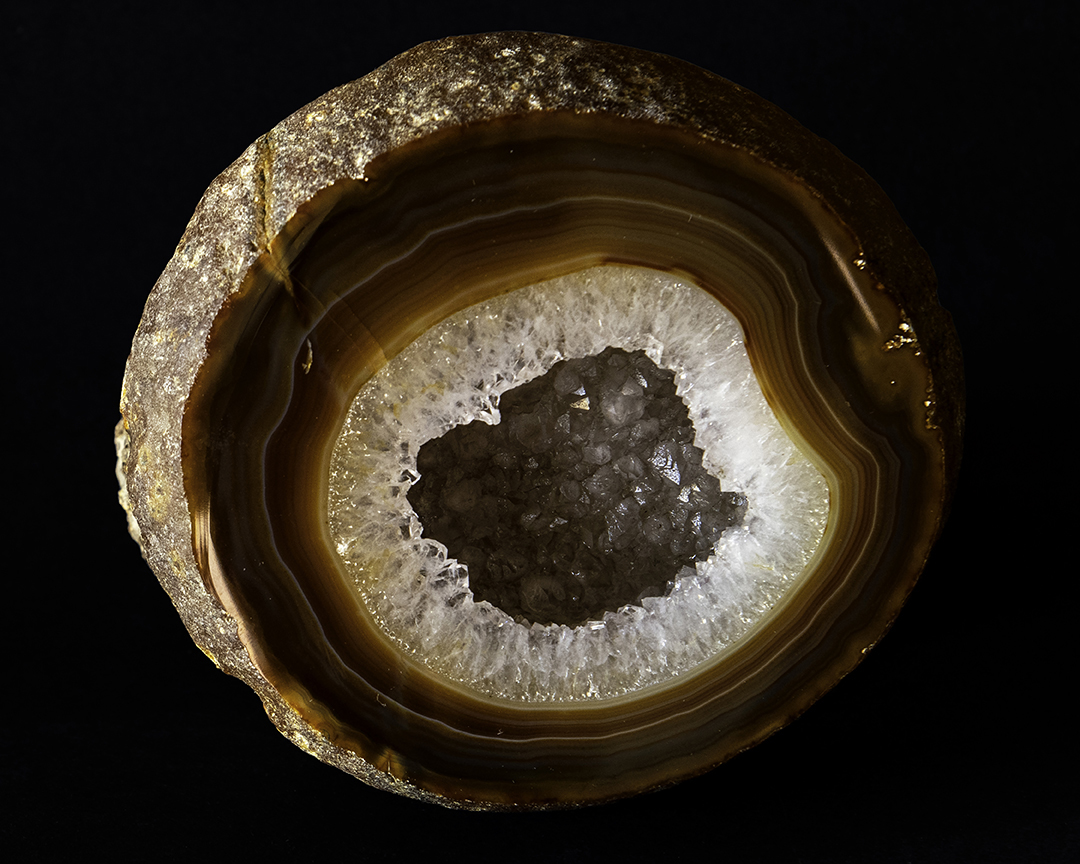
Brazilian agate with quartz crystals forming last.
Agate from Brazil.
Thunderegg from Richardson's Ranch near Madras. Oregon. The surrounding material is rhyolite which is a fine-grained volcanic rock material and the chalcedony was deposited in in layers.
Brazilian agate with quartz crystals forming last.


