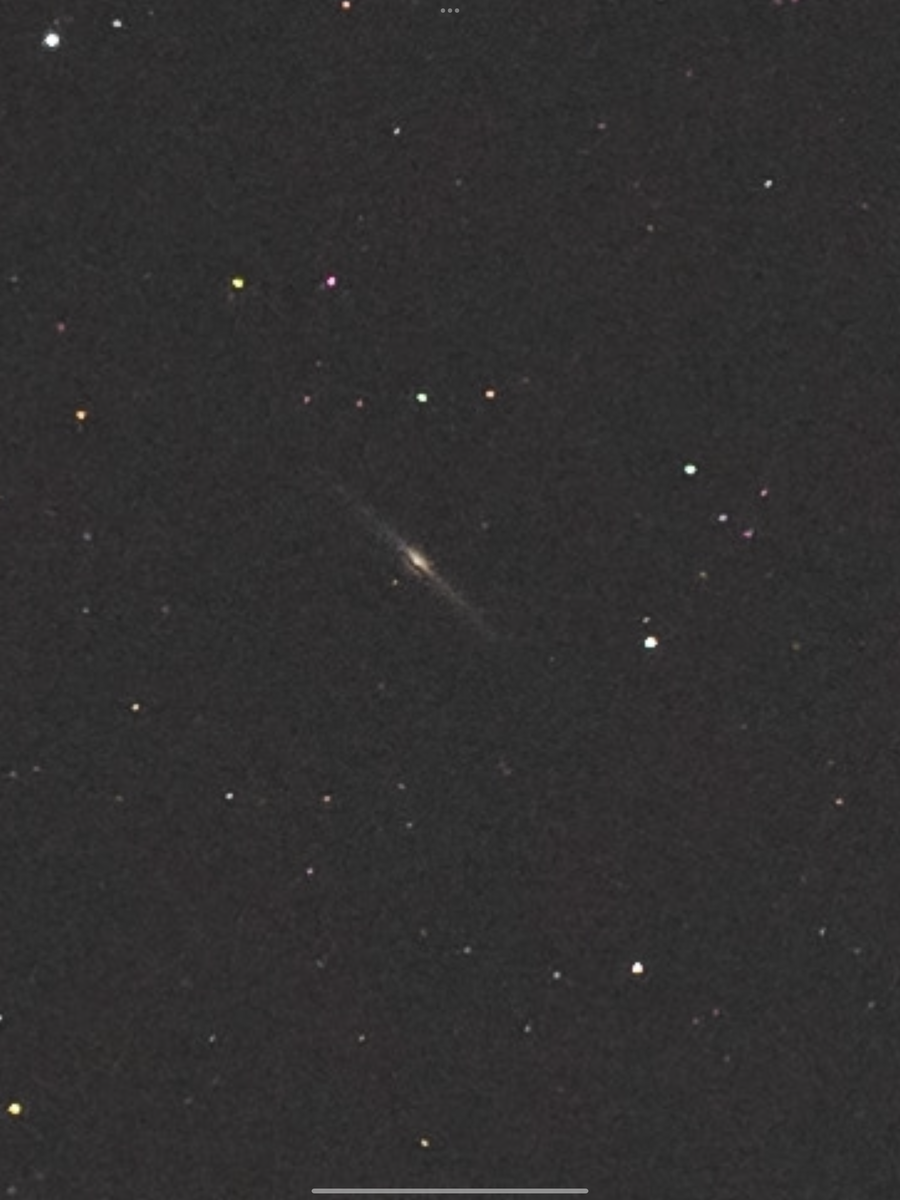
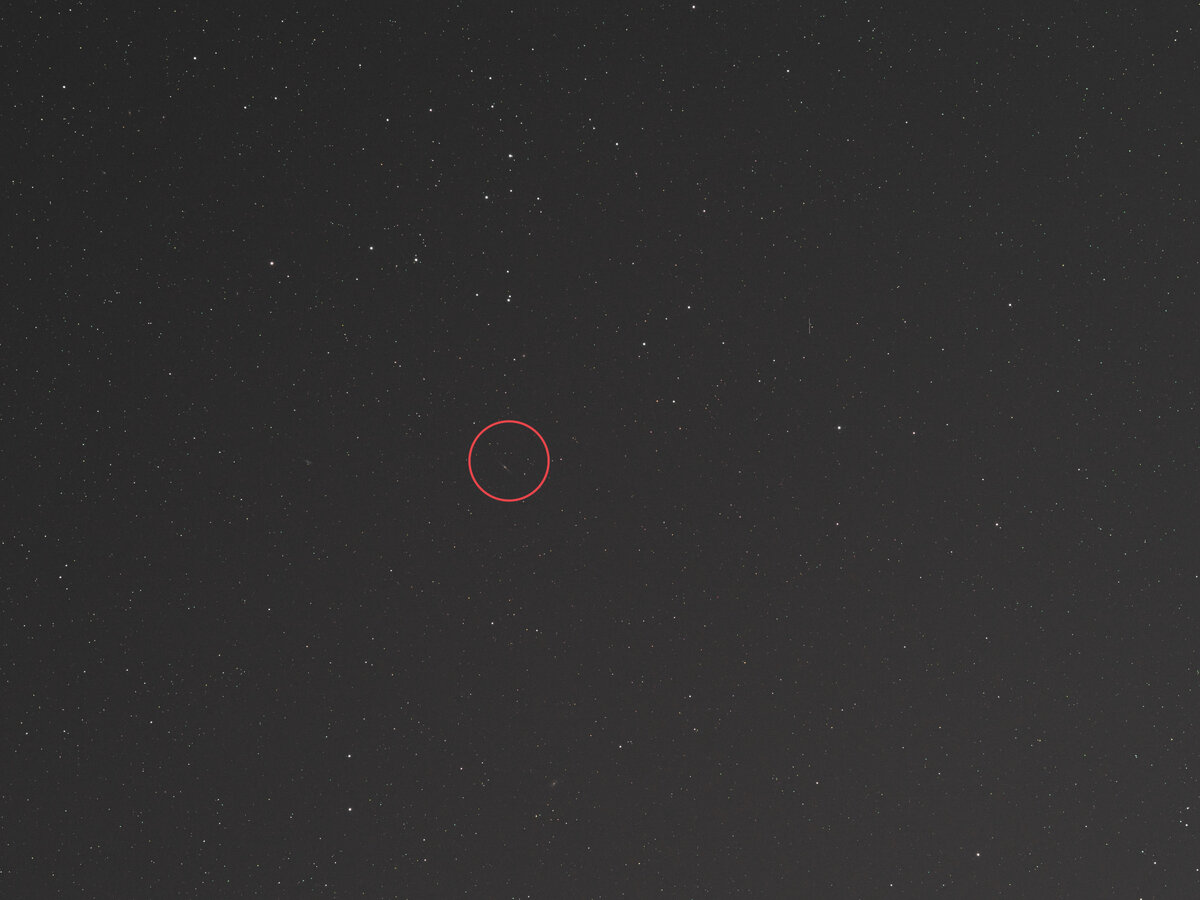
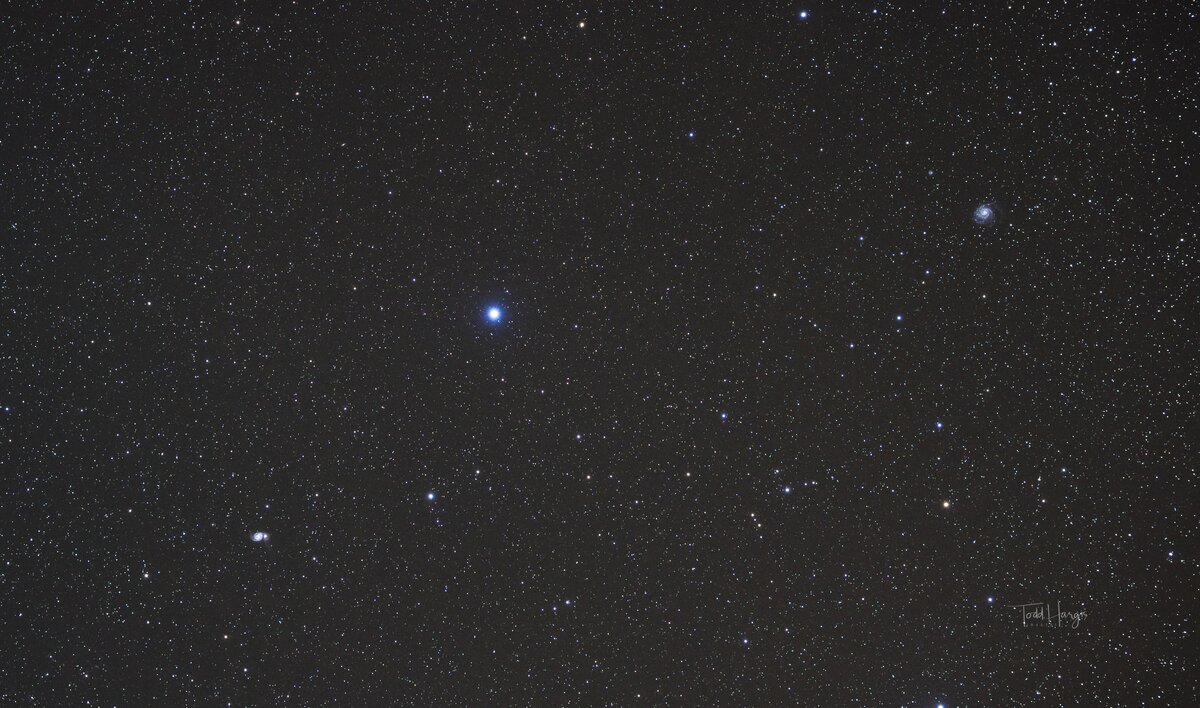
NGC 4565 with a 105mm sigma lens and others

Todd H

Well-Known Member
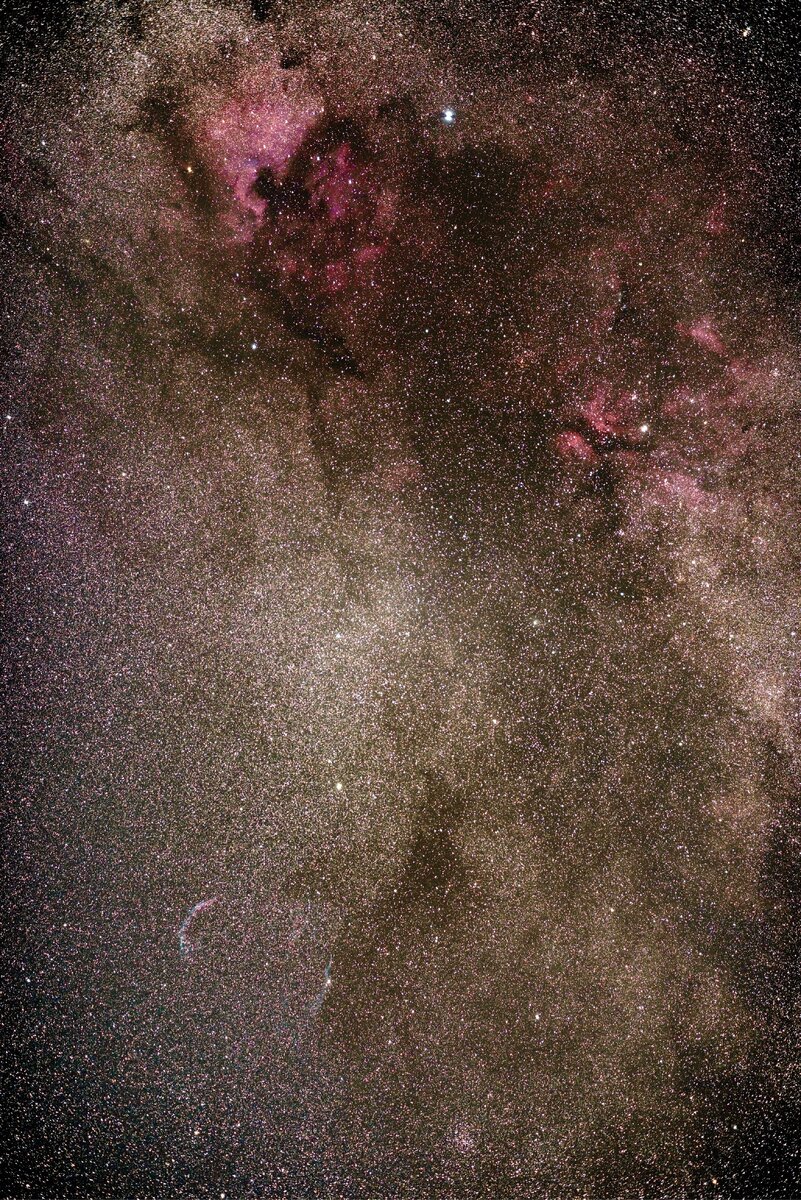
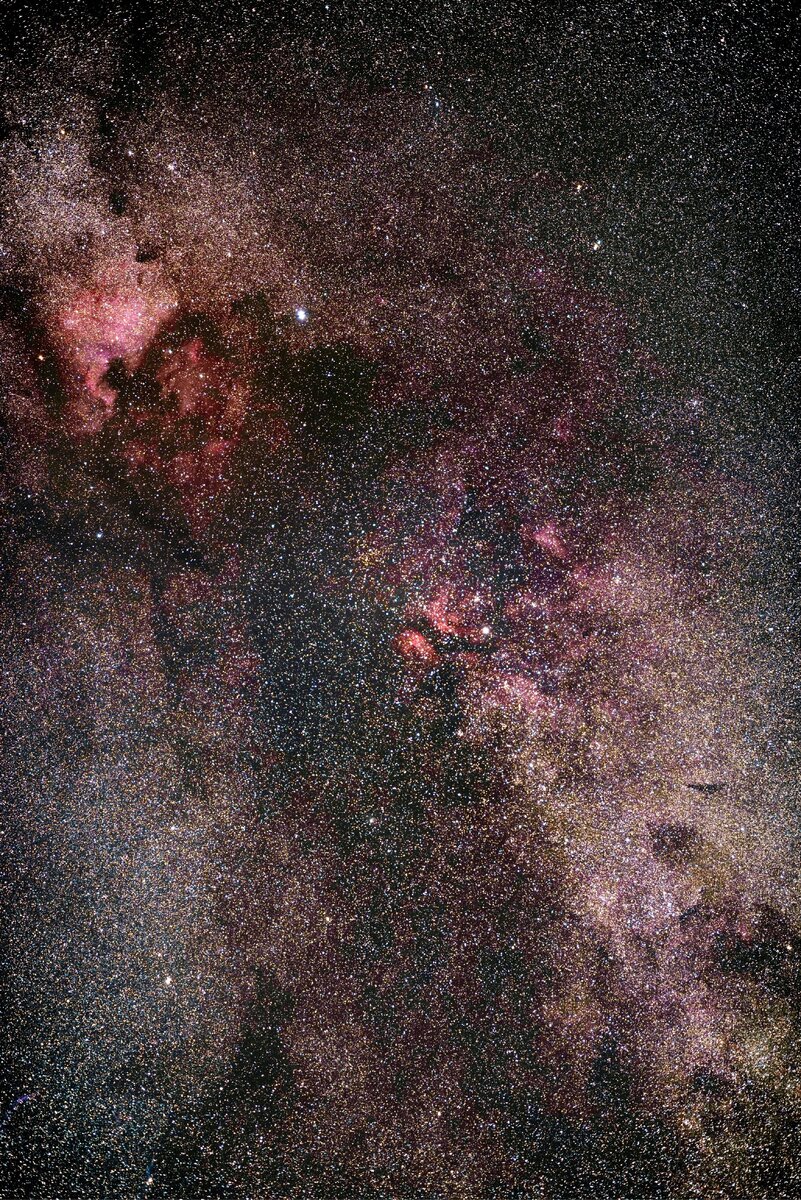
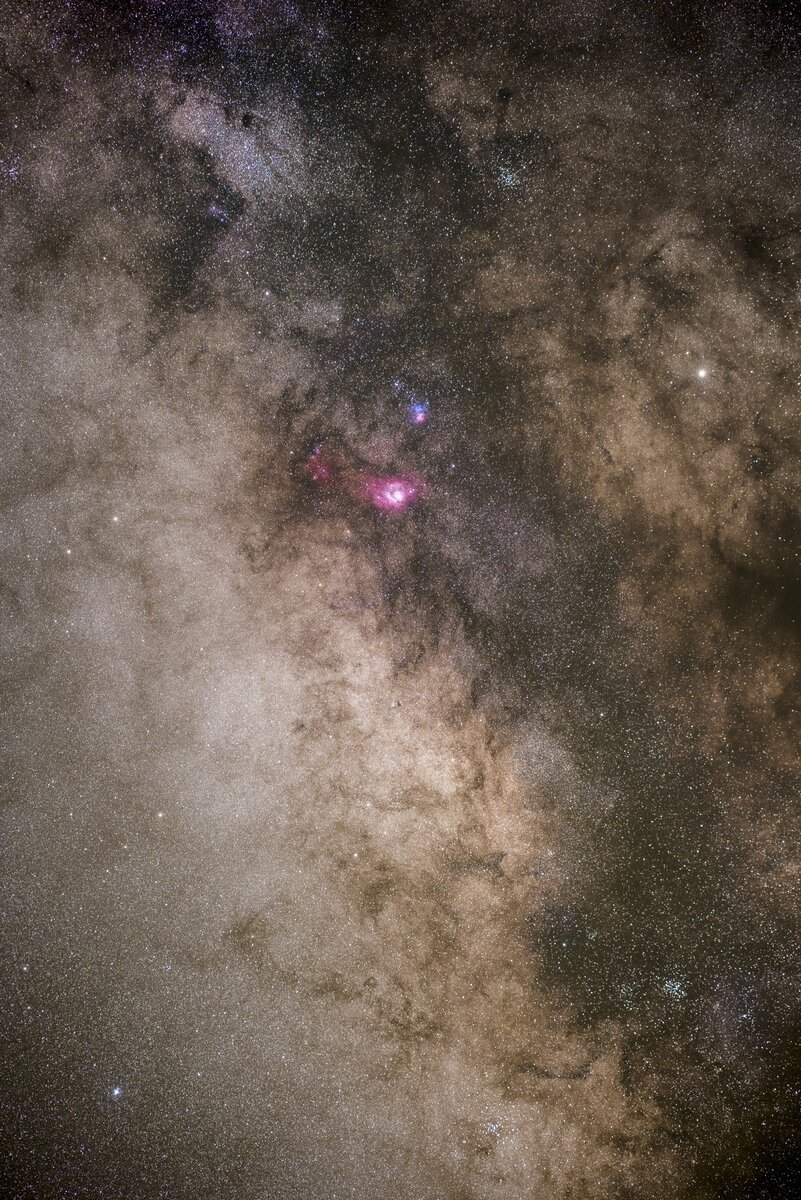
I have seen excellent work from many of you guys here. I don’t have the equipment required for multiple hours of imaging, I only can take single exposures, which works very well for me, to get some great shots. I don’t think I’ve shared any of my astrophotography here before, so I’ve included some favorites. All of these images were taken with a DSLR & portrait lenses. My latest investment is a Sony A7R V 61mp camera. I haven’t had the opportunity to use it in a dark location yet, just my front yard with moderate light pollution.

The NGC 4565 shot was taken with my A7R V and the Sigma 105mm f/1.4 at f/2.2. Exposure time was 47 second, ISO 200. It’s crazy to see the dust lane in the galaxy using a 105mm lens, it’s the high resolution sensor in the Sony which helps a lot. I am guiding with a Skywatcher star adventurer mounted on a heavy wooden tripod.

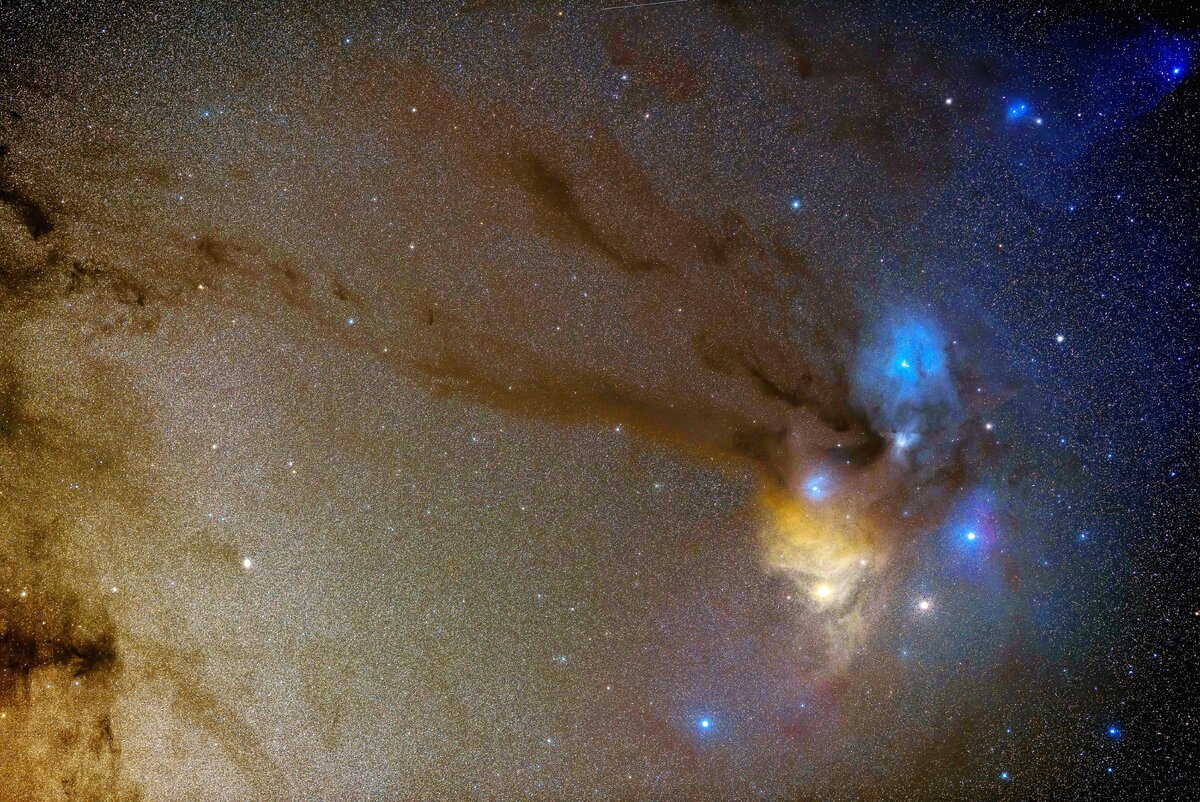
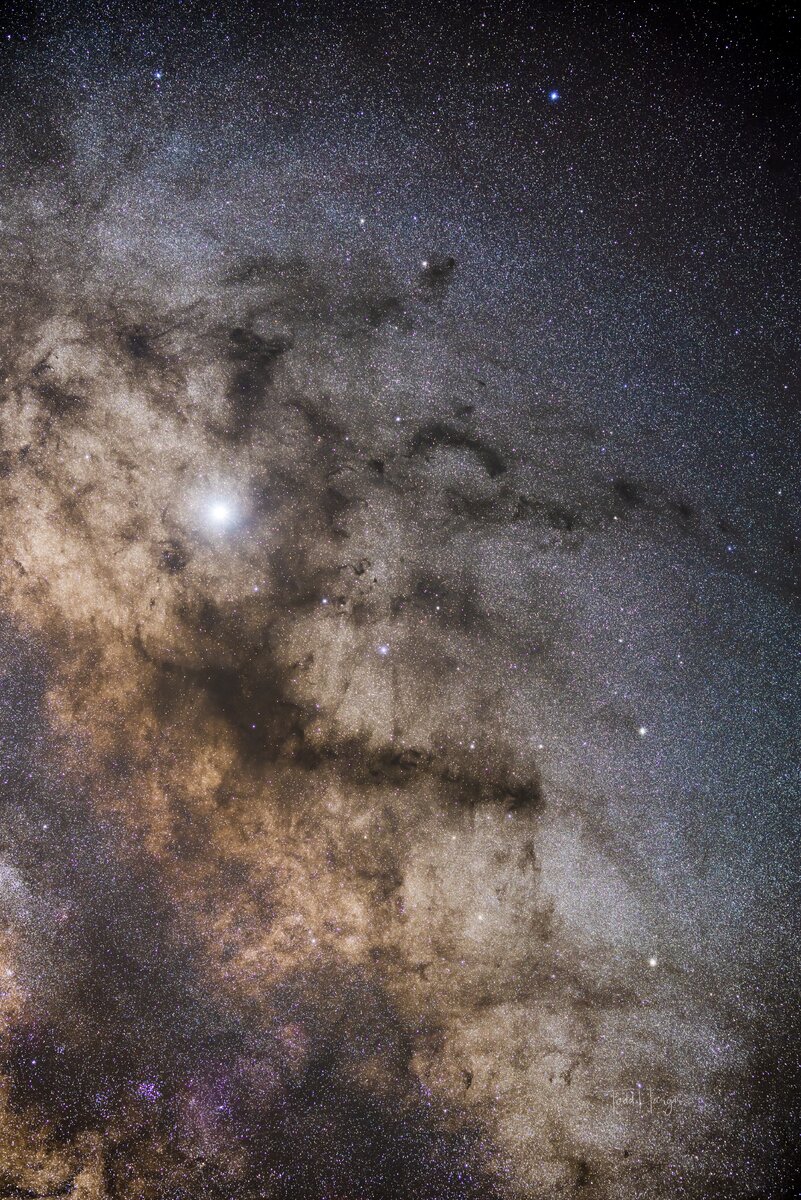
The full color images were taken from the Texas Star Party in Fort Davis, Tx using a Nikon D810 equipped with a Sigma 135mm f/1.8 lens.

The North American nebulas was also taken with the Nikon D810 but I used the Nikon 105mm f/1.4 lens at f/1.4 from Palo Duro canyon, Tx.

The last image is a wide view of M51 & M101 from Fort Davis, Tx. Sony A7RIII and Sigma 105mm f/1.4 lens. ISO 640, 184 seconds exposure

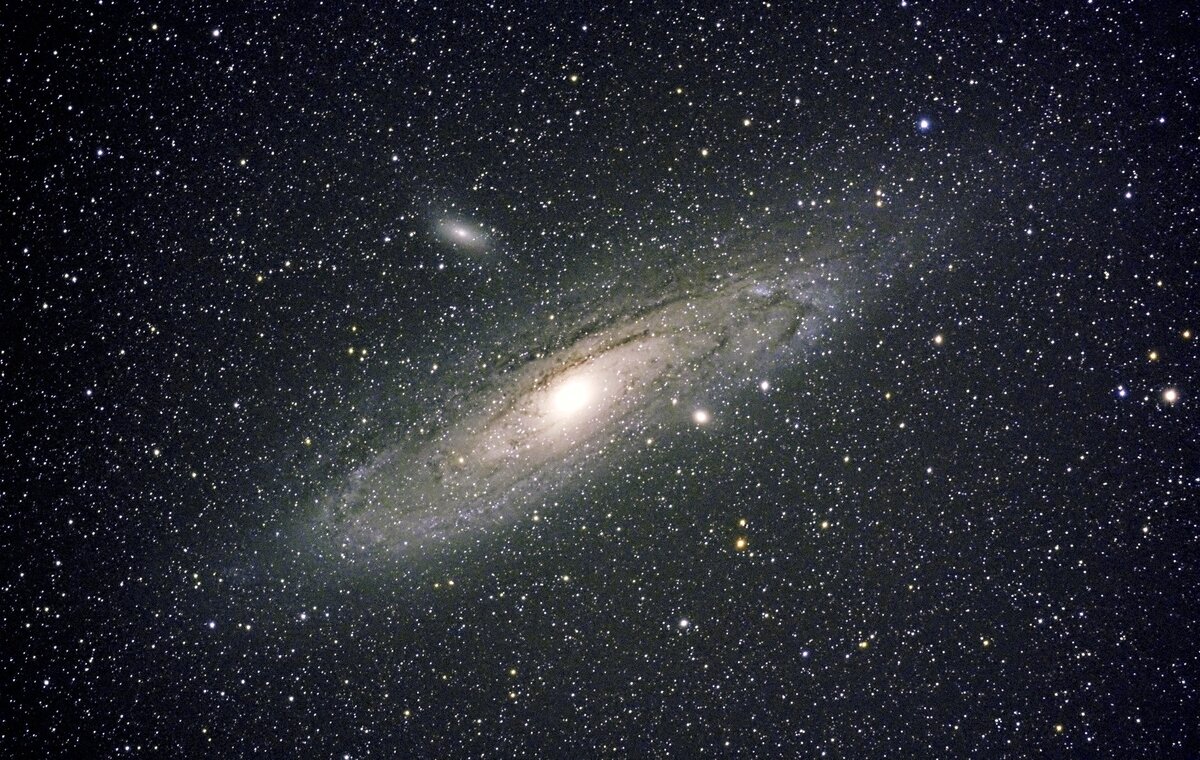
M31 Andromeda galaxy was taken from Big Bend national park using a Nikon D800 and an old Nikon reflex 500mm f/8 mirror lens ISO 2000, single exposure for 8 minutes guided on an AtroTrac in 2013. No sophisticated equipment, I’m not into stacking multiple images, single exposures is good enough for me since I can’t afford the expensive mounts and equipment for auto guided software. Maybe one of these days. Anyway, enjoy the photos as I have enjoyed looking at the nicer ones posted by you, the other members. Good stuff.


-Todd
IMG_8285.jpeg
IMG_8248.png
IMG_8286.jpeg
_THP3196-2 copy.jpeg
_A731784.jpeg
IMG_8133.jpeg
IMG_8132.jpeg
D800 M31 1840x.jpeg
_THP3059-1.jpeg
_A731781-3.jpeg
 
Last edited:

Ben Egbert

Forum Helper
Staff member
Love this series so good to see more or less standard equipment take on this task my hat is off to you
 

Todd H

Well-Known Member
Sorry Jim… I read the five image rule ”After” I posted… I’ll know next time not to post more than 5 images.
 

AlanLichty

Moderator
Quite remarkable for the gear you are using. I would not have thought this possible prior to seeing these results.
 

Todd H

Well-Known Member
Quite remarkable for the gear you are using. I would not have thought this possible prior to seeing these results.
Thanks. You just need a dark sky and some practice.
it takes me about 10 minutes to polar align the tracker using an app on my iPhone. The Star Adventurer costs about $415 for te pro pack, you have to provide your own tripod) on Amazon. They aren’t hard to use. With a few YouTube videos, tutorials, it won’t take long. The non pro pack models are also available. But I like thecounterweight bar to balance the camera. The payload capacity is only approximately 11 pounds.

Sky-Watcher Star Adventurer 2i Pro Pack – Motorized DSLR Night Sky Tracker Equatorial Mount for Portable Nightscapes, Time-Lapse and Panoramas – Wi-Fi App Camera Control – Long Exposure (S20512) https://a.co/d/8JcpCQT
 

JimFox

Moderator
Staff member
Sorry Jim… I read the five image rule ”After” I posted… I’ll know next time not to post more than 5 images.
Hey Todd, it's okay, it's more of a general rule. :)

You some great Astro images you posted. That's how I started. A person can really get some great images with just standard camera gear. Over the last 3 years, I have slowly upgraded 1 piece of gear at a time, and I will say that each piece of gear has helped increase the quality step by step.

Unless I misread, it sounded like you said you didn't stack your images because you didn't have the right gear? There is no special gear needed to stack your images. Just capture a couple of hours worth of images, and use DeepSkyStacker to stack them. It does all the work, no extra gear needed. It will put out a tiff file that you can take into Photoshop or Lightroom to stretch and process.

It's great to see these!
 

Todd H

Well-Known Member
Hey Todd, it's okay, it's more of a general rule. :)

You some great Astro images you posted. That's how I started. A person can really get some great images with just standard camera gear. Over the last 3 years, I have slowly upgraded 1 piece of gear at a time, and I will say that each piece of gear has helped increase the quality step by step.

Unless I misread, it sounded like you said you didn't stack your images because you didn't have the right gear? There is no special gear needed to stack your images. Just capture a couple of hours worth of images, and use DeepSkyStacker to stack them. It does all the work, no extra gear needed. It will put out a tiff file that you can take into Photoshop or Lightroom to stretch and process.

It's great to see these!
thanks Jim…
It’s not that I don’t have the right gear, I just don’t have much interest in shooting hours of the night sky and stacking… that’s time consuming I’m sure. Besides, the light pollution here really ruins my ambition to really try harder. Single exposures are really good for me if I have a dark enough location to photograph the night sky from. I would really like to get an 8 or a 10 inch imaging Newtonian, and a nice mount, but I can’t justify spending the money right now. I need to pay off my Sony gear first. I don’t think deep sky stacker works with the Mac. I’ll have to look again. As it is now, my light polluted skies only allow me to get a one minute exposure at ISO 200. The light pollution & heavy mosquito environment here is a nuisance to say the least. I’ll have to stick with my Skywatcher Star Adventurer for now, I’d like to maybe invest in a guide scope for it if it’s worthy to do so.

How long do you guide for per exposure? Do these cameras (QHY etc) allow for a straight 2 hour exposure? Is that they way it works? I know the guide scope keeps a guide star in place so the mount has to be good with no slack in the gears. I’ve seen mounts from 2k to 20k so I don’t know what I want… lol. Living here is Southeast Texas, I would not take the scope & mount out much anyway. I’d love to buy a Celestron 14” EDGE HD but it’s 11k! Yikes. So until then, wide field imagery here & there is what I’ll stick with.

-Todd
 

Mike Lewis

Staff Member
A testament to what can be done using single frames. Impressive set for sure.

As Jim will no doubt say, most modern amateur astro images made with digital sensors use shorter exposures that are then calibrated, aligned and stacked. Much of the available software out there automates the majority of that part of the process for you. I am less familiar with what is out there for the Mac, but I know there are some powerful packages available.

ML
 

Todd H

Well-Known Member
NGC 4565 taken with the Sony A7R V and tamron 500mm f/8 mirror lens, one minute exposure. Not bad considering a 1st quarter moon and murky skies.
IMG_8301.jpeg
 

kiwiapple

Well-Known Member
Very cool images! I am also trying to capture Rho Ophiuchi with a mirrorless camera on a Benro Polaris mount. The other night I gave it a go but my focus was way out of whack. I also thought perhaps that the sensor might not be set up properly for a deep sky object, so was going to retry with an astro camera attached to my 70-200mm lens but then the sky did not cooperate. Next time conditions are right, I'll give it another try. Any advice on your exposure length, ISO, etc?
 

Todd H

Well-Known Member
Very cool images! I am also trying to capture Rho Ophiuchi with a mirrorless camera on a Benro Polaris mount. The other night I gave it a go but my focus was way out of whack. I also thought perhaps that the sensor might not be set up properly for a deep sky object, so was going to retry with an astro camera attached to my 70-200mm lens but then the sky did not cooperate. Next time conditions are right, I'll give it another try. Any advice on your exposure length, ISO, etc?
Thank you…

When I prep my camera for astrophotography, I have to manually focus the lens with a magnified live view to achieve fine focus. For my photo of Rho, it was a single exposure of five minutes at f/2.5, ISO 640. I used the Nikon D810 and Sigma 135mm f/1.8 guided on the AstroTrac. I took the image from Fort Davis, Tx during the Texas Star Party, 2017. Please post your results when you get a chance..

Todd.
 

JimFox

Moderator
Staff member
thanks Jim…
It’s not that I don’t have the right gear, I just don’t have much interest in shooting hours of the night sky and stacking… that’s time consuming I’m sure. Besides, the light pollution here really ruins my ambition to really try harder. Single exposures are really good for me if I have a dark enough location to photograph the night sky from. I would really like to get an 8 or a 10 inch imaging Newtonian, and a nice mount, but I can’t justify spending the money right now. I need to pay off my Sony gear first. I don’t think deep sky stacker works with the Mac. I’ll have to look again. As it is now, my light polluted skies only allow me to get a one minute exposure at ISO 200. The light pollution & heavy mosquito environment here is a nuisance to say the least. I’ll have to stick with my Skywatcher Star Adventurer for now, I’d like to maybe invest in a guide scope for it if it’s worthy to do so.

How long do you guide for per exposure? Do these cameras (QHY etc) allow for a straight 2 hour exposure? Is that they way it works? I know the guide scope keeps a guide star in place so the mount has to be good with no slack in the gears. I’ve seen mounts from 2k to 20k so I don’t know what I want… lol. Living here is Southeast Texas, I would not take the scope & mount out much anyway. I’d love to buy a Celestron 14” EDGE HD but it’s 11k! Yikes. So until then, wide field imagery here & there is what I’ll stick with.

-Todd
Hey Todd, I must have misread what you had said about why you don't stack.

You don't have to stay up all night do you can get more images so you can stack. If you can process a single image and get good results, then that means you can take more images that you can then stack.

I started out my Astro using my Nikon D850, and in the beginning since I was so excited and wanted to capture as many different objects as I could in a night, so most of my early work was with only 1 to 2 hours of images.

Once you start taking multiple images and start stacking them? The quality will really increase, especially with the galaxies.

DeepSkyStacker does not work on a Mac, but there are several stacking programs that do. I am not sure of the names since I don't use Macs.

As to your question about Astro cameras, like I prefer the ZWO cameras, and I have the ZWO ASI2600mc Pro. No, you aren't taking 1 hour or 12 hour long exposures. You are taking typically from 1 minute to 10 minute long exposures that then get stacked. The length is most often determined by how faint the object is, and how good your guiding is. On average I would say most exposures run from 2 to 5 mins.

I feel like I am missing a question or two you asked. But hopefully that helps. Keep on working at it, your images are looking great!
 
Top Bottom