

Eric Gofreed
Well-Known Member
Thank you to everyone who posts to Winged Wednesday and everyone who comments. My contributions today are photographs of five birds from my Brazil trip a few months ago.

The Jabiru is a large stork native to Central and South America, commonly found in the lush wetlands and marshes of Brazil’s Pantanal region. Towering at around 4.5 feet with a wingspan of up to 9 feet, the Jabiru ranks among the tallest flying birds in the Americas. With its long legs and massive, slightly upturned bill, this bird is well-equipped to wade through shallow waters in search of prey, which includes fish, amphibians, and small reptiles.
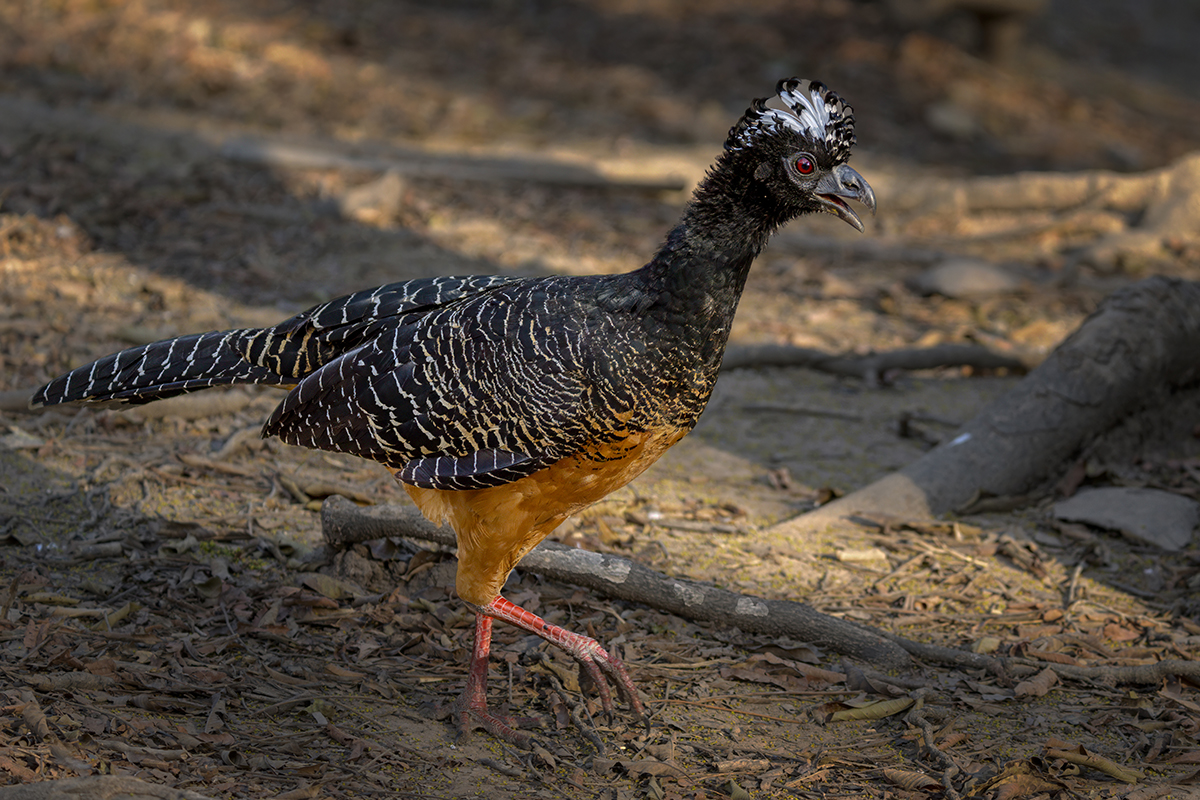
With a wingspan reaching 39 inches, the Bare-faced Curassow stands out as one of South America's striking forest dwellers. Found across Brazil, Bolivia, and Paraguay, this bird is specially adapted to life on the forest floor. Their diet mainly consists of fruits and seeds, playing a crucial role in forest regeneration. Despite their size, curassows are surprisingly elusive, typically seen in small family groups or pairs

The Pied Plover is constantly on the move, using quick steps to forage for insects and small aquatic creatures along riverbanks.
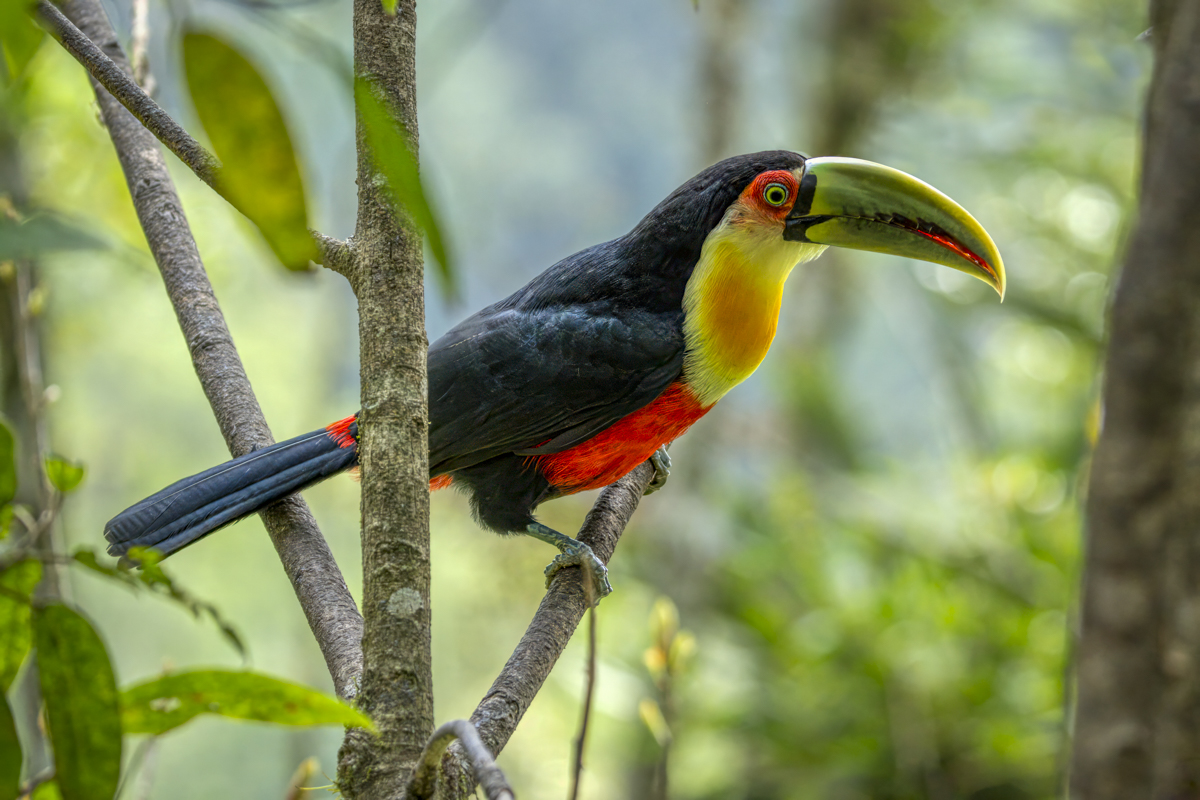
With its vibrant bill and red-breasted plumage, the Red-breasted Toucan stands out in the tropical forests of Brazil, Argentina, and Paraguay. Its large bill allows it to reach fruit, its primary food source, as well as insects and small prey tucked among dense branches. The bird’s bold colors are used to attract mates and establish territory, signaling health and vitality to others within its range.

The Lesser Yellow-headed Vulture has a wingspan of up to 63 inches and is a masterful scavenger native to the tropical lowlands and wetlands of Central and South America. This vulture has a keen sense of smell to locate carrion. Unlike other birds, it flies low over open landscapes, scanning for food. While solitary by nature, it may gather with others at abundant food sources.
The Jabiru is a large stork native to Central and South America, commonly found in the lush wetlands and marshes of Brazil’s Pantanal region. Towering at around 4.5 feet with a wingspan of up to 9 feet, the Jabiru ranks among the tallest flying birds in the Americas. With its long legs and massive, slightly upturned bill, this bird is well-equipped to wade through shallow waters in search of prey, which includes fish, amphibians, and small reptiles.
With a wingspan reaching 39 inches, the Bare-faced Curassow stands out as one of South America's striking forest dwellers. Found across Brazil, Bolivia, and Paraguay, this bird is specially adapted to life on the forest floor. Their diet mainly consists of fruits and seeds, playing a crucial role in forest regeneration. Despite their size, curassows are surprisingly elusive, typically seen in small family groups or pairs
The Pied Plover is constantly on the move, using quick steps to forage for insects and small aquatic creatures along riverbanks.
With its vibrant bill and red-breasted plumage, the Red-breasted Toucan stands out in the tropical forests of Brazil, Argentina, and Paraguay. Its large bill allows it to reach fruit, its primary food source, as well as insects and small prey tucked among dense branches. The bird’s bold colors are used to attract mates and establish territory, signaling health and vitality to others within its range.
The Lesser Yellow-headed Vulture has a wingspan of up to 63 inches and is a masterful scavenger native to the tropical lowlands and wetlands of Central and South America. This vulture has a keen sense of smell to locate carrion. Unlike other birds, it flies low over open landscapes, scanning for food. While solitary by nature, it may gather with others at abundant food sources.


