Winged Wednesday 8/11/2021

Eric Gofreed

Well-Known Member
Bugs that came to my porch light will be my contributions to this weeks "Winged Wednesday." All these images were photographed with a flash and a diffuser. I also used an LED panel under white Plexiglass. Identifying bugs seems like a most difficult task even for an entomologist. However, for a novice like me there is iNaturalist.org to identify animals, insects, and plants . Macrophotography and bugs are not for everybody. I hope you find some enjoyment from my photos.

Acorn Weevil This male is @ 3/8 inches. Females have a longer proboscis. Bugs are either chewers or suckers. A quick look at their mouth easily distinguishes them. This Weevil is a sucker as his proboscis is designed to penetrate the plant and suck out the sap.
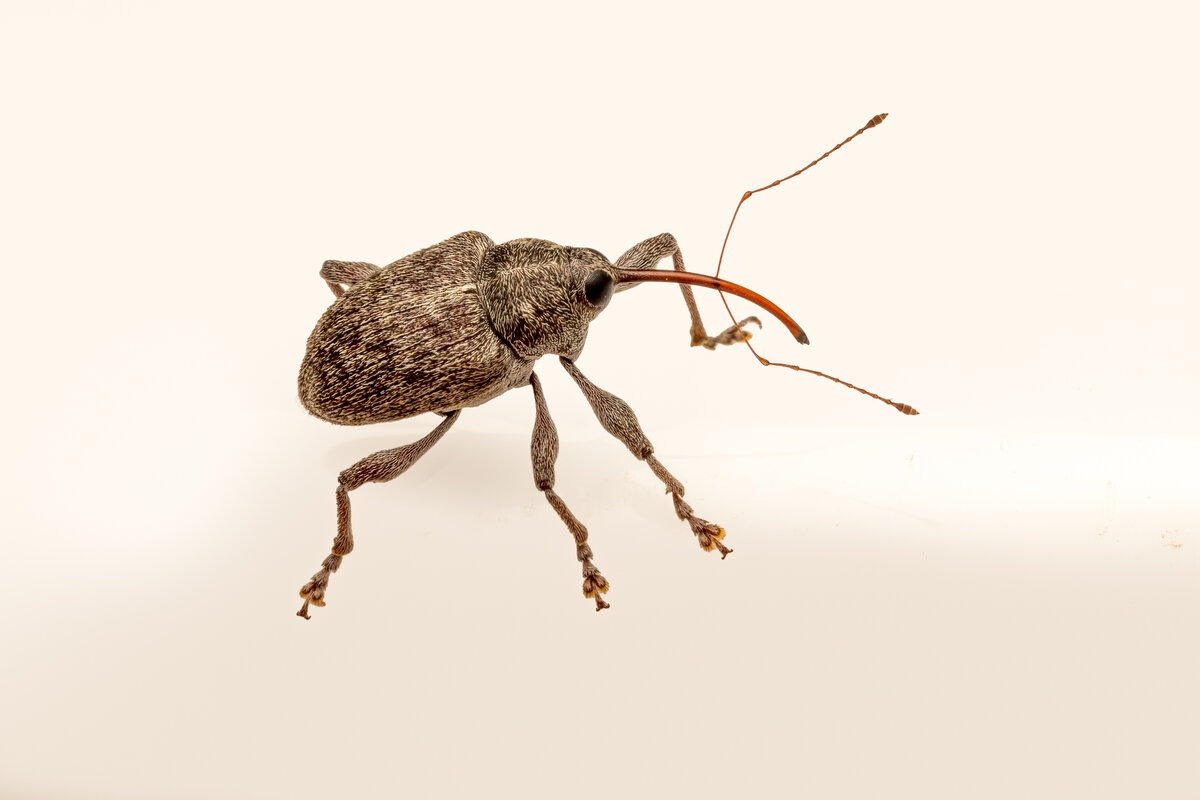
Curculio glandium-8127-Edit-Edit.jpg


The western leaf-footed bug is another sucker. Notice his long proboscis that runs along his entire ventrum. In addition to sucking sap, his saliva is toxic to the plant.
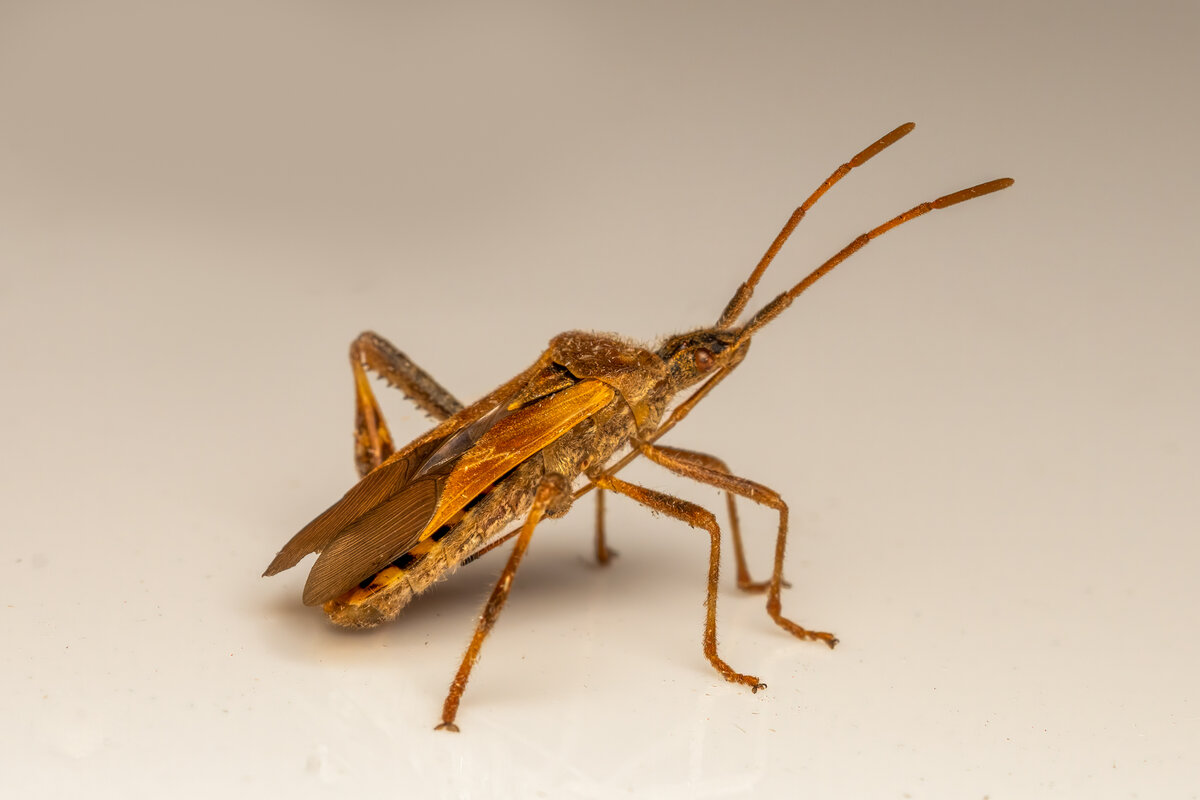
Western Leaf-footed Bug-8321-Edit.jpg


10 lined June Beetle was blinded and disoriented by the bright light in the dark and landed on his back.
My priority was to get the photo, then I turned him right-side up.
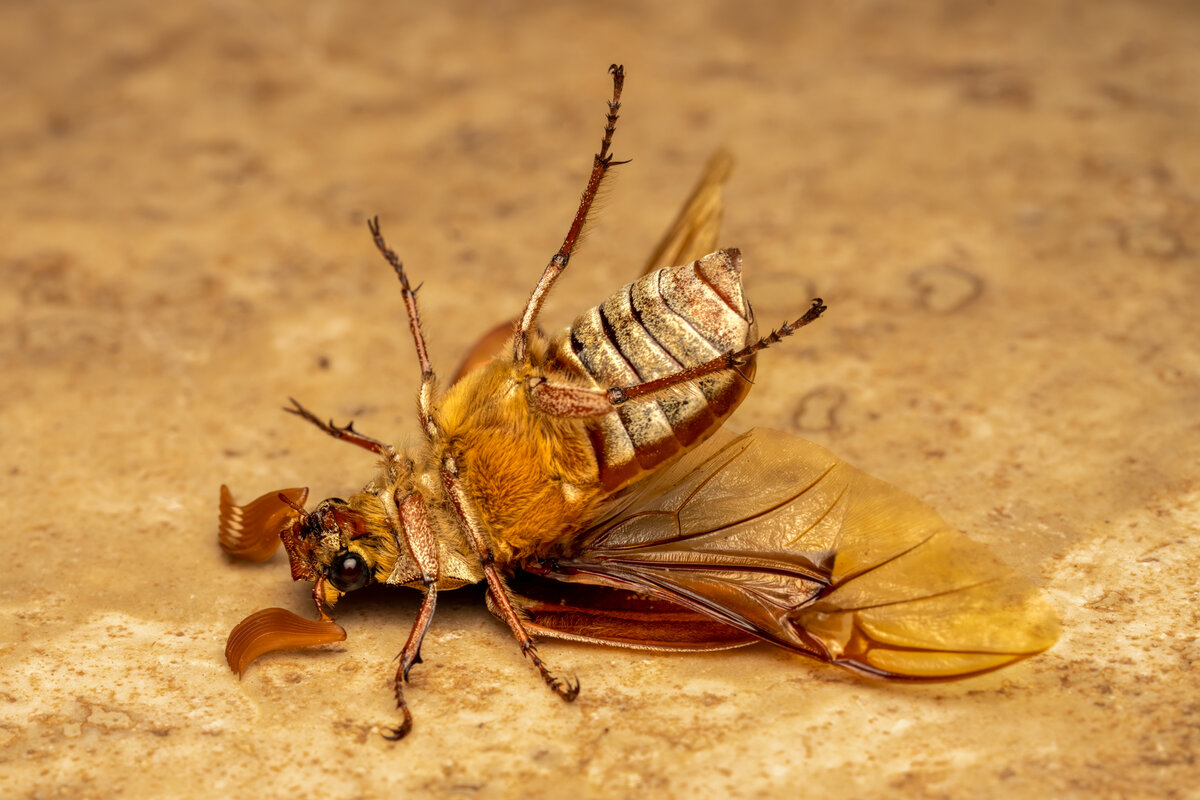
Ten-lined June Beetle -.jpg


I get more moths than I can count. Many are very tiny and I'll post some of them next week. I prefer to photograph the pretty ones that are larger than 1/4 inch like this Green Oslaria Moth. I do photograph the smaller ones as my contribution to iNaturalist.org
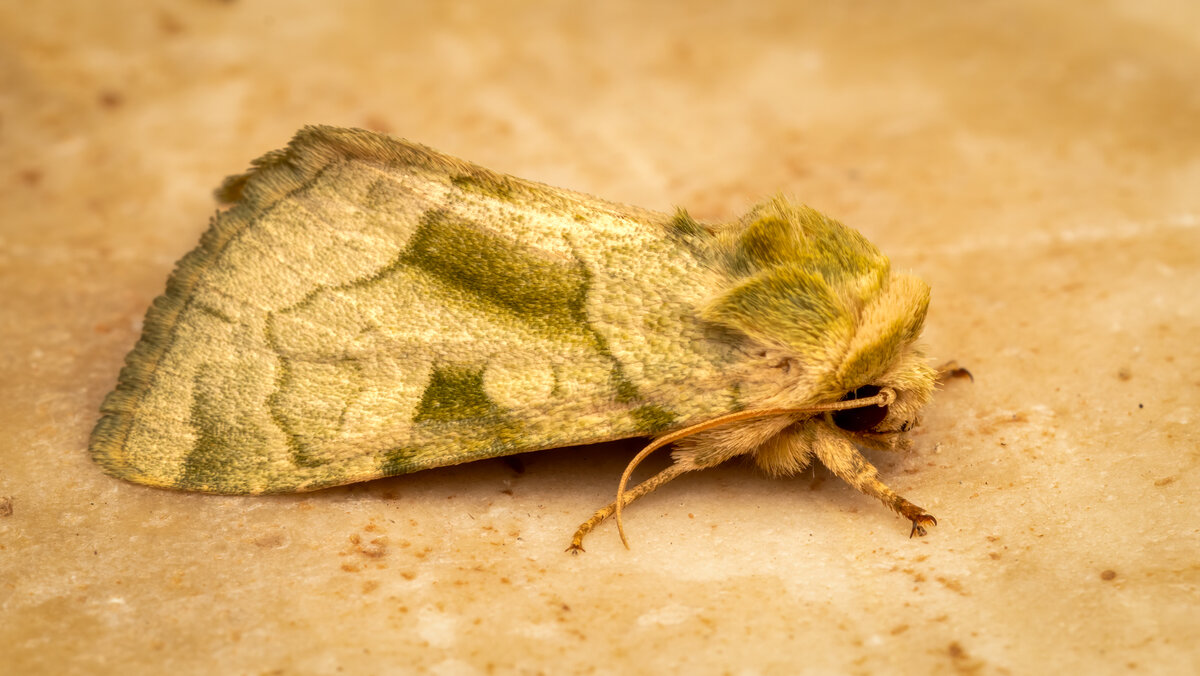
Green Oslaria Moth-8308-Edit.jpg


This tiny beetle is a member of the fat-faced longhorn beetle family; Genus Exocentrusa
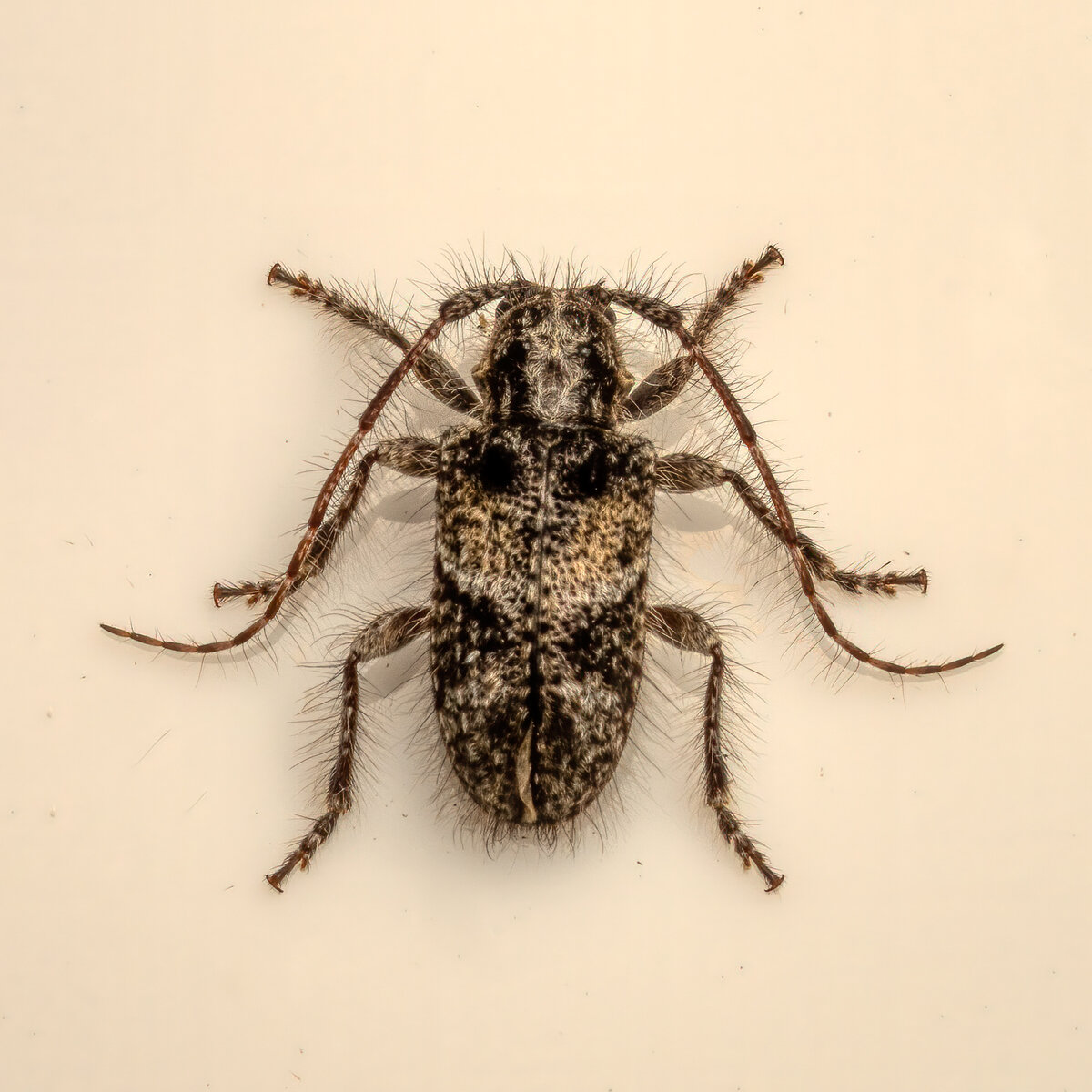
untitled-8061-Edit.jpg


For reference this the same beetle in my hand
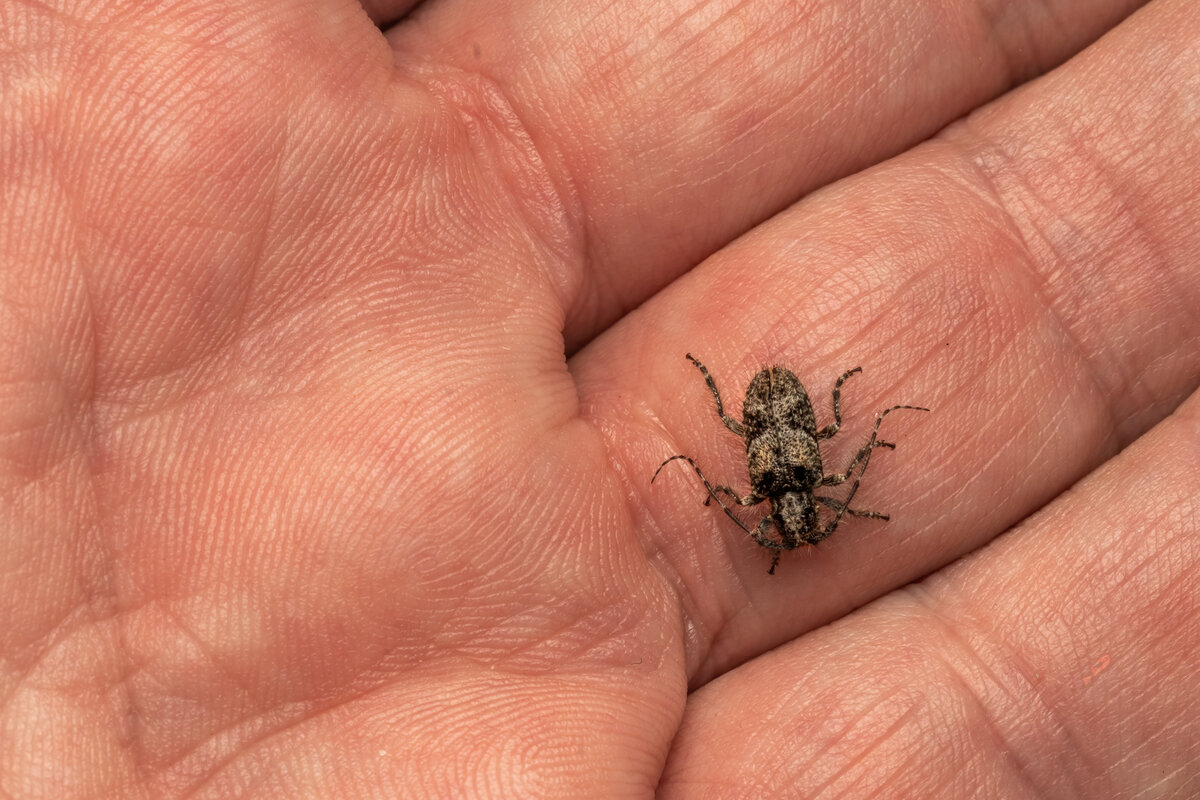
Genus Exocentrus-8056-Edit.jpg
 

Jameel Hyder

Moderator
Staff member
Bugs that came to my porch light will be my contributions to this weeks "Winged Wednesday." All these images were photographed with a flash and a diffuser. I also used an LED panel under white Plexiglass. Identifying bugs seems like a most difficult task even for an entomologist. However, for a novice like me there is iNaturalist.org to identify animals, insects, and plants . Macrophotography and bugs are not for everybody. I hope you find some enjoyment from my photos.

Acorn Weevil This male is @ 3/8 inches. Females have a longer proboscis. Bugs are either chewers or suckers. A quick look at their mouth easily distinguishes them. This Weevil is a sucker as his proboscis is designed to penetrate the plant and suck out the sap.
View attachment 41963

The western leaf-footed bug is another sucker. Notice his long proboscis that runs along his entire ventrum. In addition to sucking sap, his saliva is toxic to the plant.
View attachment 41971

10 lined June Beetle was blinded and disoriented by the bright light in the dark and landed on his back.
My priority was to get the photo, then I turned him right-side up.
View attachment 41970

I get more moths than I can count. Many are very tiny and I'll post some of them next week. I prefer to photograph the pretty ones that are larger than 1/4 inch like this Green Oslaria Moth. I do photograph the smaller ones as my contribution to iNaturalist.org
View attachment 41967

This tiny beetle is a member of the fat-faced longhorn beetle family; Genus Exocentrusa

View attachment 41972

For reference this the same beetle in my hand
View attachment 41965
Pretty good set of winged creatures Eric.
 

Trent Watts

Well-Known Member
I too love photographing bugs. iNaturalist is also my go to source for help with ID although it can take awhile for responses sometimes.
I'm not positive about the ID on the following images but have some suggestions.

This Sand Wasp was busy digging tunnels in a sand bank.

_7100869-Edit.jpg


I believe this is some kind of a Katydid. The second image shows how long the antennae are. I thought I had the full length in the viewfinder but when I got home I still missed some.
_7110886-Edit.jpg

_7110884.jpg


I think this is some type of Meadowhawk Dragonfly.
_7231338-Edit.jpg


This is s Sphinx Moth larvae. Likely an Elm Sphinx Moth. It will have wings one day.
_8051420-Edit.jpg
 

Trent Watts

Well-Known Member
Bugs that came to my porch light will be my contributions to this weeks "Winged Wednesday." All these images were photographed with a flash and a diffuser. I also used an LED panel under white Plexiglass. Identifying bugs seems like a most difficult task even for an entomologist. However, for a novice like me there is iNaturalist.org to identify animals, insects, and plants . Macrophotography and bugs are not for everybody. I hope you find some enjoyment from my photos.

Acorn Weevil This male is @ 3/8 inches. Females have a longer proboscis. Bugs are either chewers or suckers. A quick look at their mouth easily distinguishes them. This Weevil is a sucker as his proboscis is designed to penetrate the plant and suck out the sap.
View attachment 41963

The western leaf-footed bug is another sucker. Notice his long proboscis that runs along his entire ventrum. In addition to sucking sap, his saliva is toxic to the plant.
View attachment 41971

10 lined June Beetle was blinded and disoriented by the bright light in the dark and landed on his back.
My priority was to get the photo, then I turned him right-side up.
View attachment 41970

I get more moths than I can count. Many are very tiny and I'll post some of them next week. I prefer to photograph the pretty ones that are larger than 1/4 inch like this Green Oslaria Moth. I do photograph the smaller ones as my contribution to iNaturalist.org
View attachment 41967

This tiny beetle is a member of the fat-faced longhorn beetle family; Genus Exocentrusa

View attachment 41972

For reference this the same beetle in my hand
View attachment 41965
This is a great set of images Eric. The beetle on your hand is a dandy way to reference size. I love the upside down June bug. It looks a little drunk.
 

JimFox

Moderator
Staff member
Bugs that came to my porch light will be my contributions to this weeks "Winged Wednesday." All these images were photographed with a flash and a diffuser. I also used an LED panel under white Plexiglass. Identifying bugs seems like a most difficult task even for an entomologist. However, for a novice like me there is iNaturalist.org to identify animals, insects, and plants . Macrophotography and bugs are not for everybody. I hope you find some enjoyment from my photos.

Acorn Weevil This male is @ 3/8 inches. Females have a longer proboscis. Bugs are either chewers or suckers. A quick look at their mouth easily distinguishes them. This Weevil is a sucker as his proboscis is designed to penetrate the plant and suck out the sap.
View attachment 41963

The western leaf-footed bug is another sucker. Notice his long proboscis that runs along his entire ventrum. In addition to sucking sap, his saliva is toxic to the plant.
View attachment 41971

10 lined June Beetle was blinded and disoriented by the bright light in the dark and landed on his back.
My priority was to get the photo, then I turned him right-side up.
View attachment 41970

I get more moths than I can count. Many are very tiny and I'll post some of them next week. I prefer to photograph the pretty ones that are larger than 1/4 inch like this Green Oslaria Moth. I do photograph the smaller ones as my contribution to iNaturalist.org
View attachment 41967

This tiny beetle is a member of the fat-faced longhorn beetle family; Genus Exocentrusa

View attachment 41972

For reference this the same beetle in my hand
View attachment 41965
Wow! Amazing detail! It’s really interesting how small some of them are. With your macro setup they seem like they are 3 or 4 times larger then they are and with some awesome detail!
 

JimFox

Moderator
Staff member
I too love photographing bugs. iNaturalist is also my go to source for help with ID although it can take awhile for responses sometimes.
I'm not positive about the ID on the following images but have some suggestions.

This Sand Wasp was busy digging tunnels in a sand bank.

View attachment 41997


I believe this is some kind of a Katydid. The second image shows how long the antennae are. I thought I had the full length in the viewfinder but when I got home I still missed some.
View attachment 41998
View attachment 42001

I think this is some type of Meadowhawk Dragonfly.
View attachment 41999

This is s Sphinx Moth larvae. Likely an Elm Sphinx Moth. It will have wings one day.
View attachment 42000
So cool Trent! It’s great to see these! You are Eric are sure talented. My favorites of yours are #1 and 2.
 

Eric Gofreed

Well-Known Member
I too love photographing bugs. iNaturalist is also my go to source for help with ID although it can take awhile for responses sometimes.
I'm not positive about the ID on the following images but have some suggestions.

This Sand Wasp was busy digging tunnels in a sand bank.

View attachment 41997


I believe this is some kind of a Katydid. The second image shows how long the antennae are. I thought I had the full length in the viewfinder but when I got home I still missed some.
View attachment 41998
View attachment 42001

I think this is some type of Meadowhawk Dragonfly.
View attachment 41999

This is s Sphinx Moth larvae. Likely an Elm Sphinx Moth. It will have wings one day.
View attachment 42000
Outstanding work, Trent
 
Top Bottom